Need help?
Do you have a question about the Geotab GO9+ and is the answer not in the manual?
Steps to enable and configure the GO9+ Wi-Fi hotspot, including navigation and settings.
Instructions for enabling the hotspot, setting SSID, password, and saving changes.
How to connect a mobile device to the Wi-Fi network using the configured credentials.
Visual guide for installing the telematics device in a vehicle.
Steps to verify device communication status via a web portal.
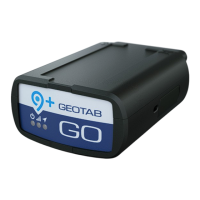
This document outlines the installation and setup of a telematics device, specifically the GO9+ Wi-Fi Hotspot, designed to provide connectivity and vehicle tracking capabilities. The device serves as a central hub for vehicle data and offers Wi-Fi hotspot functionality for mobile devices.
The primary function of this device is to act as a telematics unit for vehicles, enabling communication and data logging. It records various vehicle parameters and transmits them for monitoring and analysis. A key feature is its integrated Wi-Fi hotspot, which allows users to connect their mobile devices to the internet while in the vehicle. This functionality is dependent on the device being properly provisioned and the vehicle's ignition being on. The device's status is indicated by a series of LEDs, which must all be solid to confirm proper operation and communication.
The device is designed to be discreetly installed within the vehicle, typically connecting to the On-Board Diagnostics (OBD) port. Once installed, it begins to communicate with the telematics platform, providing real-time data. The Wi-Fi hotspot feature, once enabled and configured, creates a secure wireless network within the vehicle, allowing passengers to access the internet. This is particularly useful for long journeys or for vehicles used as mobile offices.
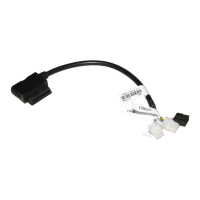
Installation: The installation process is straightforward, primarily involving connecting the device to the vehicle's OBD port. The device is designed to fit securely and discreetly. Visual aids in the manual demonstrate the physical connection, ensuring proper orientation and seating of the device.
Verification of Installation: After physical installation, the device's operational status needs to be verified. This involves checking the LED indicators on the device itself. A sequence of solid LEDs confirms that the device is powered, communicating, and GPS-locked. Further verification is performed through a dedicated online portal or application, where the installer can log the installation, confirming the device's serial number and its communication status. The system provides immediate feedback, indicating whether the device is communicating or not, which helps in troubleshooting any installation issues.
Wi-Fi Hotspot Setup: The Wi-Fi hotspot functionality is configured through a web-based interface, typically accessed via the telematics platform (MyGeotab).
Data Communication: The device continuously communicates vehicle data to the telematics platform. This includes information such as GPS location, engine diagnostics, and driving behavior. This data is crucial for fleet management, vehicle tracking, and safety monitoring.
Self-Diagnosis through LEDs: The device incorporates a series of LED indicators that provide immediate visual feedback on its operational status. These LEDs indicate power, communication, and GPS lock. By observing the state of these LEDs (e.g., solid vs. blinking), users can quickly ascertain if the device is functioning correctly or if there's an issue that requires attention. For instance, if all LEDs are solid, it signifies proper operation, including successful provisioning and communication.
Remote Configuration and Updates: While not explicitly detailed as "maintenance," the ability to remotely configure the Wi-Fi hotspot settings (SSID, password) through the telematics platform implies a level of remote management. This allows administrators to update network settings without physical access to the device, which is a significant maintenance advantage for fleet operations. Any changes made through the web interface are pushed to the device, ensuring that the Wi-Fi hotspot remains secure and up-to-date.
Troubleshooting Guidance: The manual provides clear instructions for verifying installation and troubleshooting. If the device is not communicating, the verification process helps identify the problem. The note about the device needing to finish provisioning (all LEDs solid) and the vehicle ignition being on for Wi-Fi hotspot functionality serves as a key troubleshooting tip. This guides users to check fundamental conditions before assuming a device malfunction.
Firmware Updates (Implied): While not explicitly stated, telematics devices typically receive over-the-air (OTA) firmware updates. This ensures that the device's software remains current, benefiting from bug fixes, security enhancements, and new features. This remote update capability minimizes the need for physical intervention, reducing maintenance costs and downtime.
Robust Design: The device's compact and durable design, as depicted in the illustrations, suggests it is built to withstand the typical environmental conditions within a vehicle. This inherent robustness contributes to its low maintenance requirements and long operational life.
In summary, the device is a comprehensive telematics solution with an integrated Wi-Fi hotspot, designed for ease of installation, remote management, and reliable operation within a vehicle environment. Its user-friendly setup and diagnostic features contribute to a streamlined user experience and efficient fleet management.
 General
| Network Connectivity | 4G LTE |
|---|---|
| Operating Temperature | -40°C to +85°C |
| Bluetooth | Yes |
| Wi-Fi | No |
| Gyroscope | No |
| Engine Diagnostics | Yes |
| Device Type | Vehicle GPS Tracker |
| GNSS | GPS, GLONASS |
| Accelerometer | 3-axis |
| Interface | OBD-II |
| Certifications | FCC, IC, CE, PTCRB |

 To Next Page