Climate Differences
The appliances in your vehicle will not function if the LP gas does
not vaporize. Propane will continue to vaporize down to –44 F.
Propane has become the main type of LP gas used in RVs in
recent years. Butane should never be used. The LP gas dealer
will have the correct type or blend for his locale. If you plan on
traveling from a warm climate to a cold climate, check with your
local gas dealer to see if the blend he supplies is appropriate for the
part of the county you plan on visiting.
Operation
To operate any LP gas appliance, the LP gas
tank’s service valve must be OPEN. When first
used, or after a refill, there may be some air in the
gas lines that will escape when the range burner
or similar gas valve is opened. The air may
extinguish the match or igniter the first time or two
you attempt to light a stove burner. Also
remember that when you close the tank’s service
valve, some gas will remain in the lines. To completely bleed the
lines of gas, close the tank valve and light the range burner. When
the flame burns out, turn off the appliance.
Filling the LP Tank
Make sure that all burners and pilot lights are turned off prior to
having a gas supplier refill your LP tank.
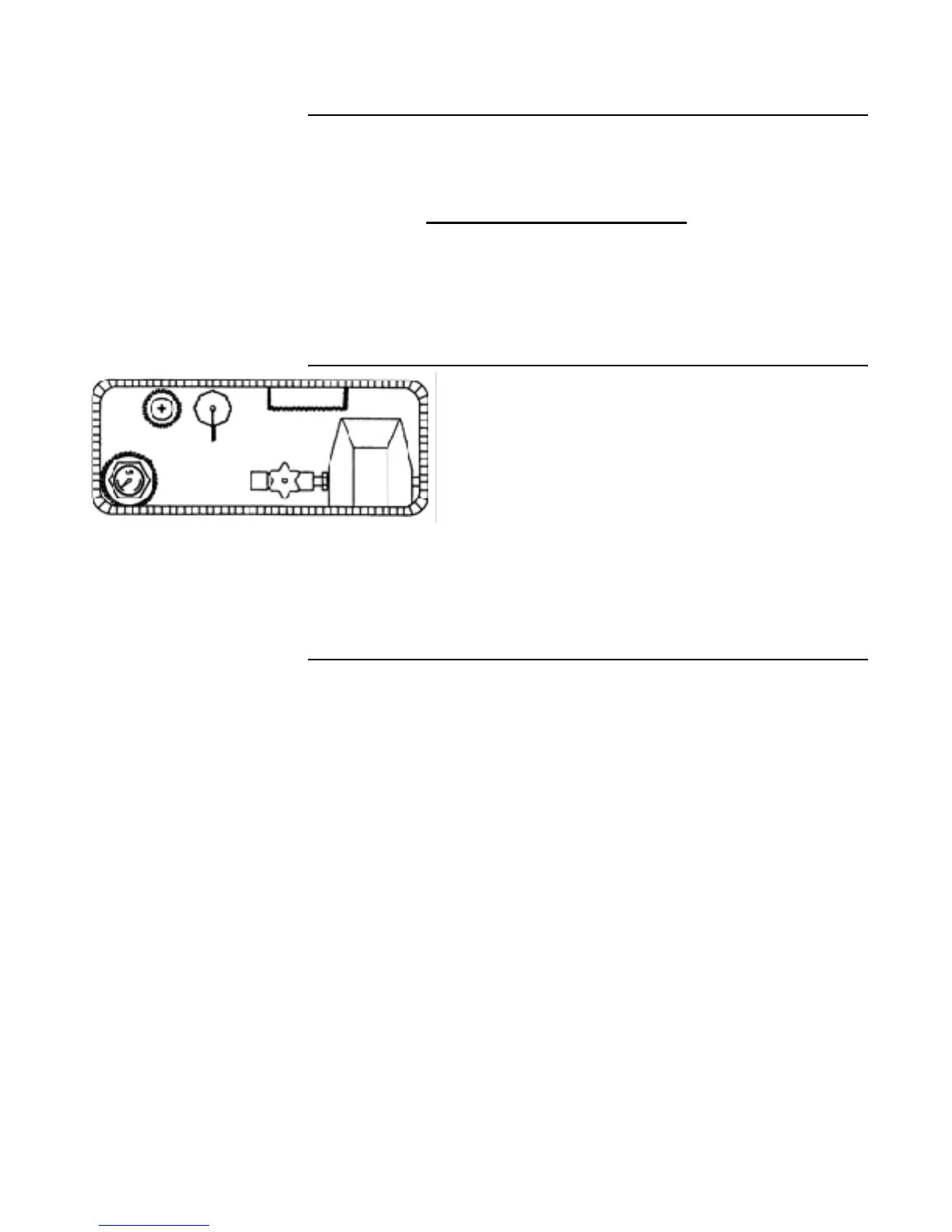
Drive your unit to the LP supplier for filling. Never remove the tank
from the unit. The supplier will connect his fill nozzle to your unit’s
LP tank fill valve. When the tank is being filled, the service valve
must be closed. The 20 percent Liquid Level Gauge must be open.
The 80 percent Stop Fill Valve may close the valve before liquid
appears at the 20 percent liquid level gauge, but if liquid does
appear, stop filling immediately…the tank is filled to its LP capacity.
Do not use a wrench to tighten the service valve or the 20 percent
gauge. They are both designed to be closed leak-tight by hand. If
you cannot hand-tighten the valve, the valve may need repair or
replacement. Consult your gas dealer.
Your LP Tank must be kept free fo rust at all times. If rust develops,
the tank should be cleaned completely free of the rust, then primed
and painted white (or some other highly reflective color), which will
help reduce the expansion of the LP gas due to heat.



 To Next Page