EasyManua.ls Logo

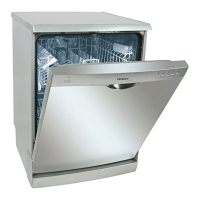
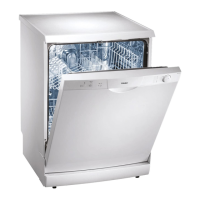
Haier DW12-PFE1 S - User Manual

Haier DW12-PFE1 S
72 pages
Print Icon
To Next Page IconTo Next Page
Loading...
Dishwasher
DW12-PFE1
DW12-PFE1 S
DW12-PFE1 ME
Instructions for Use
012050
EN DE FR IT ES
PT
NL

Table of Contents

Question and Answer IconNeed help?

Do you have a question about the Haier DW12-PFE1 S and is the answer not in the manual?

Summary

Safety Information

At Time of Delivery

Check packaging for transport damage. Contact supplier if damaged. Dispose of packaging properly.

During Installation

Connect according to instructions, ensure earthing, check mains supply, avoid extension cables.

During Normal Use

Use by adults only, not outdoors, no heavy objects on door, water not for drinking, avoid solvents.

If Your Family Includes Children

Supervise children, keep detergents away, ensure children don't play with unit.

If a Fault Occurs

Turn off water, disconnect plug, consult fault finding section, contact service center for repairs.

When Disposing of Old Appliances

Make inoperable, cut cord, remove lock, take to designated waste disposal center.

Installation

Positioning the Appliance

Place against wall/cabinets, orient hoses for installation.

Levelling the Appliance

Adjust feet to ensure levelness, max 2° inclination for performance.

Cold Water Connection

Connect hose to 3/4" thread, use clear water if pipes are old.

Drain Hose Connection

Insert into drain pipe (min 4cm), avoid kinks, ensure correct height.

Electrical Connection

Check voltage/frequency, ensure correct wiring, use earthed socket, avoid adaptors.

Anti-Flooding Protection (For Some Models)

System stops water on leaks. Remove plug if box damaged. Ensure correct hose attachment.

Getting to Know Your Dishwasher

Close-up View (Control Panel)

Identifies ON-OFF button, Programme button, and Programme Indicator.

Models Explanation

Lists dishwasher models and available colours/finishes.

How to Fill the Salt

Loading the Salt into the Container

Remove rack, unscrew cap, fill with water (first time), add salt using funnel.

Adjusting Salt Consumption

Adjust salt usage based on water hardness using a ring.

How to Fill Rinse Aid

Loading the Rinse Aid

Turn cap counter-clockwise, pour rinse aid, adjust dose setting with screwdriver.

How to Fill the Detergent Dispenser

Loading the Detergent

Open cover, pour detergent into wash/pre-wash compartments, close cover.

Not Suitable for the Dishwasher

What You Should Not Put into the Dishwasher

Avoid wood, delicate glass, plastics, aluminium, silver, absorbent materials.

Damage to Glassware and Other Dishes

Discusses causes like glass type, detergent, temperature, and offers remedies.

Arranging Crockery, Glasses, etc. in the Dishwasher

How to Use the Lower Rack

Place difficult items like pots, pans, bowls face down.

How to Use the Upper Rack

Load delicate items like glasses, cups, plates. Adjust height.

Shelf

Lean tall glasses against shelf, use cup rack for glasses and bowls.

Programme Overview

Care and Maintenance

Overall Condition of Appliance

Check for grease, scale, and clean interior with detergent solution.

Filters

Locate, clean, and refit filters to prevent pump blockage.

Spray Arms

Inspect and clean spray arms for blockages to ensure proper water distribution.

Washing Dishes

Programme Selection

Choose programme based on crockery, food remains, and condition.

Earn Savings

Select lower temperature programmes for fewer dishes to save energy.

How to Keep Your Dishwasher in Shape

Post-Wash Procedures

Turn off water, unplug, leave door ajar, and set switch to OFF after cycle.

Operational Precautions

Handle interruptions and cycle changes carefully, observe water spray risk.

Maintenance and Storage

Clean with mild agents, secure for moving, clean seals, and prepare for holidays.

Fault Finding

Resolving Minor Problems Yourself

Guide to common issues and self-resolution without a service engineer.

Problems...When the Appliance is Switched On

Troubleshooting steps for when the appliance does not start.

...With the Appliance Itself

Troubleshooting for error displays and indicator lamp issues.

...During Washing

Addresses issues like foam, sudden stops, and noises during wash cycles.

...With the Dishes, Cutlery, etc.

Troubleshooting for food remnants, poor drying, or dull appearance of dishes.

Important Information

Notes on Waste Disposal

Proper disposal of old appliances to recover materials and prevent hazards.

General Information

Securing built-in units, installation requirements for Switzerland.

Information on Comparability Tests Implemented in Compliance with EN 50242

Details on test conditions, capacity, and programme for EN 50242 compliance.

Technical Data

Summary

Safety Information

At Time of Delivery

Check packaging for transport damage. Contact supplier if damaged. Dispose of packaging properly.

During Installation

Connect according to instructions, ensure earthing, check mains supply, avoid extension cables.

During Normal Use

Use by adults only, not outdoors, no heavy objects on door, water not for drinking, avoid solvents.

If Your Family Includes Children

Supervise children, keep detergents away, ensure children don't play with unit.

If a Fault Occurs

Turn off water, disconnect plug, consult fault finding section, contact service center for repairs.

When Disposing of Old Appliances

Make inoperable, cut cord, remove lock, take to designated waste disposal center.

Installation

Positioning the Appliance

Place against wall/cabinets, orient hoses for installation.

Levelling the Appliance

Adjust feet to ensure levelness, max 2° inclination for performance.

Cold Water Connection

Connect hose to 3/4" thread, use clear water if pipes are old.

Drain Hose Connection

Insert into drain pipe (min 4cm), avoid kinks, ensure correct height.

Electrical Connection

Check voltage/frequency, ensure correct wiring, use earthed socket, avoid adaptors.

Anti-Flooding Protection (For Some Models)

System stops water on leaks. Remove plug if box damaged. Ensure correct hose attachment.

Getting to Know Your Dishwasher

Close-up View (Control Panel)

Identifies ON-OFF button, Programme button, and Programme Indicator.

Models Explanation

Lists dishwasher models and available colours/finishes.

How to Fill the Salt

Loading the Salt into the Container

Remove rack, unscrew cap, fill with water (first time), add salt using funnel.

Adjusting Salt Consumption

Adjust salt usage based on water hardness using a ring.

How to Fill Rinse Aid

Loading the Rinse Aid

Turn cap counter-clockwise, pour rinse aid, adjust dose setting with screwdriver.

How to Fill the Detergent Dispenser

Loading the Detergent

Open cover, pour detergent into wash/pre-wash compartments, close cover.

Not Suitable for the Dishwasher

What You Should Not Put into the Dishwasher

Avoid wood, delicate glass, plastics, aluminium, silver, absorbent materials.

Damage to Glassware and Other Dishes

Discusses causes like glass type, detergent, temperature, and offers remedies.

Arranging Crockery, Glasses, etc. in the Dishwasher

How to Use the Lower Rack

Place difficult items like pots, pans, bowls face down.

How to Use the Upper Rack

Load delicate items like glasses, cups, plates. Adjust height.

Shelf

Lean tall glasses against shelf, use cup rack for glasses and bowls.

Programme Overview

Care and Maintenance

Overall Condition of Appliance

Check for grease, scale, and clean interior with detergent solution.

Filters

Locate, clean, and refit filters to prevent pump blockage.

Spray Arms

Inspect and clean spray arms for blockages to ensure proper water distribution.

Washing Dishes

Programme Selection

Choose programme based on crockery, food remains, and condition.

Earn Savings

Select lower temperature programmes for fewer dishes to save energy.

How to Keep Your Dishwasher in Shape

Post-Wash Procedures

Turn off water, unplug, leave door ajar, and set switch to OFF after cycle.

Operational Precautions

Handle interruptions and cycle changes carefully, observe water spray risk.

Maintenance and Storage

Clean with mild agents, secure for moving, clean seals, and prepare for holidays.

Fault Finding

Resolving Minor Problems Yourself

Guide to common issues and self-resolution without a service engineer.

Problems...When the Appliance is Switched On

Troubleshooting steps for when the appliance does not start.

...With the Appliance Itself

Troubleshooting for error displays and indicator lamp issues.

...During Washing

Addresses issues like foam, sudden stops, and noises during wash cycles.

...With the Dishes, Cutlery, etc.

Troubleshooting for food remnants, poor drying, or dull appearance of dishes.

Important Information

Notes on Waste Disposal

Proper disposal of old appliances to recover materials and prevent hazards.

General Information

Securing built-in units, installation requirements for Switzerland.

Information on Comparability Tests Implemented in Compliance with EN 50242

Details on test conditions, capacity, and programme for EN 50242 compliance.

Technical Data

Haier DW12-PFE1 S Specifications

General IconGeneral
TypeFreestanding
Energy Efficiency ClassA+
Number of Place Settings12
Noise Level49 dB
Wash Programs6
Dimensions (H x W x D)85 x 60 x 60 cm
Half LoadYes
Child LockNo
Delay StartYes

Related product manuals