EasyManua.ls Logo

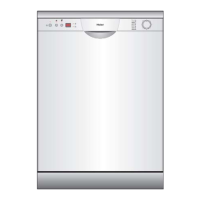
Haier DW12-TFE2SS - User Manual

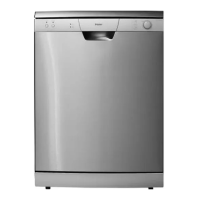
Haier DW12-TFE2SS
23 pages
Print Icon
To Next Page IconTo Next Page
Loading...
Question and Answer IconNeed help?

Do you have a question about the Haier DW12-TFE2SS and is the answer not in the manual?

Summary

Safety Information

At time of delivery

Check packaging for transport damage and dispose of materials properly.

During installation

Follow installation instructions, ensure proper earthing and mains supply conformity.

During normal use

Use by adults, avoid outdoor installation, do not stand on open door, water is not for drinking.

If your family includes children

Keep detergents away from children; supervision is required for young children.

If a fault occurs

Turn off water, disconnect power, contact service center or use original spare parts.

When disposing of old appliances

Make inoperable by cutting cord and removing lock, take to waste disposal center.

Installation

Positioning the appliance

Place back against wall, sides against cabinets/wall; hoses can be right or left.

Levelling the appliance

Adjust feet to make level, not inclined more than 2° for proper performance.

Cold water connection

Connect 3/4" BSP hose tightly, flush pipes if new to avoid blockages.

Drain hose connection

Insert into drain pipe (min 4cm dia) or sink, avoid kinks, height 40-100cm.

Electrical Connection

Ensure voltage/frequency match rating plate, use earthed socket, replace cable if plug is incompatible.

Getting to Know Your Dishwasher

Control Panel Overview

Identifies lights (END, POWER, ECO, Rinse Aid, Heat) and cycle selection knob.

Dishwasher Interior Components

Labels racks, spray arms, filter, and detergent dispenser for internal layout.

Rinse Aid and Detergent Dispenser

Loading the Rinse Aid

Open cap, pour rinse aid, adjust dosage with screwdriver (setting 2 is normal).

Loading the Detergent

Open cover, pour detergent into pre-wash (6) and wash (5) compartments.

Items Not Suitable for Dishwasher

What Not to Wash

Avoid wood, delicate glass, special china, heat-sensitive plastics, copper, pewter, aluminium, silver, absorbent materials.

Manufacturers Recommendation

Purchase dishwasher-proof kitchenware. Avoid items soiled with tobacco ash, wax, grease, or paint.

Preventing Glassware Damage

Causes include glass type, detergent, water temp/duration. Use dishwasher-proof items and mild detergent.

Loading the Dishwasher

Lower Rack Loading

Place dirtiest items like pots/pans face down, slant deep pots, use silverware basket.

Upper Rack and Shelf Usage

Upper Rack Loading

Holds delicate items like glasses, cups; rack height adjustable.

Shelf Usage

For tall glasses, cups, small bowls; additional cup rack can be swivelled.

Washing Dishes

Programme Selection Guide

Choose program based on crockery type, load amount, and food remains.

Tips for Energy Savings

Use lower temperature programs for small loads to save energy.

Understanding Programme Data

Data based on standard conditions, varies with load, water temp, pressure, etc.

Starting a Wash Cycle

Ensure plug is in, water is on, load dishes, add detergent, press power, select cycle.

Completing a Wash Cycle

End of Wash Cycle Procedure

Buzzer sounds, "End" light on, turn off appliance, open door after a few minutes.

Modifying or Cancelling a Cycle

Modify early in cycle. Reset knob then select new program. Refill detergent if needed.

Dishwasher Maintenance and Care

Post-Wash Care

Turn off water, leave door ajar to prevent moisture and odors.

Cleaning Guidelines

Use warm soapy water for exterior/rubber. Use water/vinegar for interior stains. Avoid solvents.

Appliance Handling and Storage

Keep upright when moving; leave door ajar on holiday after running empty cycle.

Routine Care and Maintenance

Checking Appliance Interior

Inspect for grease/scale. Clean thoroughly with detergent solution if deposits are found.

Monitoring Rinse Aid Level

Check the LOW RINSE-AID indicator and top up as needed.

Cleaning Filters

Remove and clean filters (8, 9) regularly to prevent blockages from food particles.

Cleaning Spray Arms

Inspect nozzles for blockages from lime/food. Clean spray arms under running water.

Troubleshooting Common Issues

Self-Resolution Tips

Resolve most issues yourself to save costs and downtime. Consult remedies list.

Appliance Not Starting

Check fuse, plug, door closure, program selection, water tap, and intake hose strainer.

Appliance Operational Faults

Identifies issues based on alarm sounds (2, 3, 6, 10 beeps) and related causes.

Specific Operational Problems

Addresses issues like spray arm rotation, detergent lid closure, indicator lamps, foam, sudden stops, knocking/rattling sounds.

Dish and Cutlery Cleaning Results

Faults like food remnants, white stains, dullness, rust, cloudiness, smears, and their causes/remedies.

Technical Specifications

Appliance Dimensions and Capacity

Provides width, depth, height, and place setting capacity of the dishwasher.

Electrical and Water Requirements

Details mains voltage, frequency, current intensity, power, and water pressure.

Important Information and Compliance

Waste Disposal Guidelines

Environmentally friendly disposal of old appliances, destroy lock, recycle packaging, keep children away.

General Operational Notes

Ensure stability for built-under/built-in units to prevent toppling.

AS;NZS 2007 Test Information

Details appliance loading and program used for comparability tests according to standard.

Summary

Safety Information

At time of delivery

Check packaging for transport damage and dispose of materials properly.

During installation

Follow installation instructions, ensure proper earthing and mains supply conformity.

During normal use

Use by adults, avoid outdoor installation, do not stand on open door, water is not for drinking.

If your family includes children

Keep detergents away from children; supervision is required for young children.

If a fault occurs

Turn off water, disconnect power, contact service center or use original spare parts.

When disposing of old appliances

Make inoperable by cutting cord and removing lock, take to waste disposal center.

Installation

Positioning the appliance

Place back against wall, sides against cabinets/wall; hoses can be right or left.

Levelling the appliance

Adjust feet to make level, not inclined more than 2° for proper performance.

Cold water connection

Connect 3/4" BSP hose tightly, flush pipes if new to avoid blockages.

Drain hose connection

Insert into drain pipe (min 4cm dia) or sink, avoid kinks, height 40-100cm.

Electrical Connection

Ensure voltage/frequency match rating plate, use earthed socket, replace cable if plug is incompatible.

Getting to Know Your Dishwasher

Control Panel Overview

Identifies lights (END, POWER, ECO, Rinse Aid, Heat) and cycle selection knob.

Dishwasher Interior Components

Labels racks, spray arms, filter, and detergent dispenser for internal layout.

Rinse Aid and Detergent Dispenser

Loading the Rinse Aid

Open cap, pour rinse aid, adjust dosage with screwdriver (setting 2 is normal).

Loading the Detergent

Open cover, pour detergent into pre-wash (6) and wash (5) compartments.

Items Not Suitable for Dishwasher

What Not to Wash

Avoid wood, delicate glass, special china, heat-sensitive plastics, copper, pewter, aluminium, silver, absorbent materials.

Manufacturers Recommendation

Purchase dishwasher-proof kitchenware. Avoid items soiled with tobacco ash, wax, grease, or paint.

Preventing Glassware Damage

Causes include glass type, detergent, water temp/duration. Use dishwasher-proof items and mild detergent.

Loading the Dishwasher

Lower Rack Loading

Place dirtiest items like pots/pans face down, slant deep pots, use silverware basket.

Upper Rack and Shelf Usage

Upper Rack Loading

Holds delicate items like glasses, cups; rack height adjustable.

Shelf Usage

For tall glasses, cups, small bowls; additional cup rack can be swivelled.

Washing Dishes

Programme Selection Guide

Choose program based on crockery type, load amount, and food remains.

Tips for Energy Savings

Use lower temperature programs for small loads to save energy.

Understanding Programme Data

Data based on standard conditions, varies with load, water temp, pressure, etc.

Starting a Wash Cycle

Ensure plug is in, water is on, load dishes, add detergent, press power, select cycle.

Completing a Wash Cycle

End of Wash Cycle Procedure

Buzzer sounds, "End" light on, turn off appliance, open door after a few minutes.

Modifying or Cancelling a Cycle

Modify early in cycle. Reset knob then select new program. Refill detergent if needed.

Dishwasher Maintenance and Care

Post-Wash Care

Turn off water, leave door ajar to prevent moisture and odors.

Cleaning Guidelines

Use warm soapy water for exterior/rubber. Use water/vinegar for interior stains. Avoid solvents.

Appliance Handling and Storage

Keep upright when moving; leave door ajar on holiday after running empty cycle.

Routine Care and Maintenance

Checking Appliance Interior

Inspect for grease/scale. Clean thoroughly with detergent solution if deposits are found.

Monitoring Rinse Aid Level

Check the LOW RINSE-AID indicator and top up as needed.

Cleaning Filters

Remove and clean filters (8, 9) regularly to prevent blockages from food particles.

Cleaning Spray Arms

Inspect nozzles for blockages from lime/food. Clean spray arms under running water.

Troubleshooting Common Issues

Self-Resolution Tips

Resolve most issues yourself to save costs and downtime. Consult remedies list.

Appliance Not Starting

Check fuse, plug, door closure, program selection, water tap, and intake hose strainer.

Appliance Operational Faults

Identifies issues based on alarm sounds (2, 3, 6, 10 beeps) and related causes.

Specific Operational Problems

Addresses issues like spray arm rotation, detergent lid closure, indicator lamps, foam, sudden stops, knocking/rattling sounds.

Dish and Cutlery Cleaning Results

Faults like food remnants, white stains, dullness, rust, cloudiness, smears, and their causes/remedies.

Technical Specifications

Appliance Dimensions and Capacity

Provides width, depth, height, and place setting capacity of the dishwasher.

Electrical and Water Requirements

Details mains voltage, frequency, current intensity, power, and water pressure.

Important Information and Compliance

Waste Disposal Guidelines

Environmentally friendly disposal of old appliances, destroy lock, recycle packaging, keep children away.

General Operational Notes

Ensure stability for built-under/built-in units to prevent toppling.

AS;NZS 2007 Test Information

Details appliance loading and program used for comparability tests according to standard.

Haier DW12-TFE2SS Specifications

General IconGeneral
BrandHaier
ModelDW12-TFE2SS
CategoryDishwasher
LanguageEnglish

Related product manuals