EasyManua.ls Logo

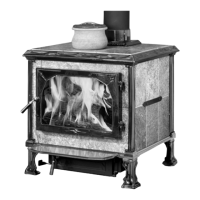
HearthStone Heritage 8021 - User Manual

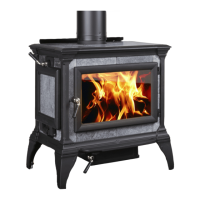
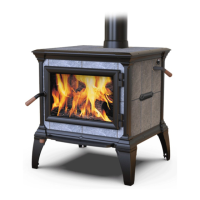
HearthStone Heritage 8021
30 pages
Print Icon
To Next Page IconTo Next Page
Loading...
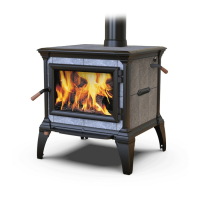
Heritage Model 8021
Manual: 6400-40444
R: 3 - 12/7/12
Heritage
(Model 8021)
Non-Catalytic Wood Stove
OWNER'S MANUAL
INSTALLATION & OPERATING
INSTRUCTIONS
PLEASE READ THIS ENTIRE OWNER’S MANUAL BEFORE YOU INSTALL AND USE
YOUR NEW HERITAGE WOOD STOVE. To reduce the risk of fire, follow the installation
instructions. Failure to follow these instructions may result in property damage,
bodily injury, or even death.
SAVE THESE INSTRUCTIONS FOR FUTURE REFERENCE!
CONTACT LOCAL AUTHORITIES HAVING JURISDICTION (BUILDING DEPARTMENT or
FIRE OFFICIALS) ABOUT PERMITS REQUIRED, RESTRICTIONS AND INSTALLATION
INSPECTION IN YOUR AREA

Questions and Answers

  • T
    Thomas SmithAug 2, 2025
    What to do if my HearthStone Stove experiences back-puffing or gas explosions?
    • B
      Brandon SchneiderAug 2, 2025
      If your HearthStone Stove is experiencing back-puffing or gas explosions, it could be due to a few reasons. One reason might be operating technique, so fully open the primary air control one minute before opening the door and keep it fully open for a few minutes after reloading. Another cause could be an extra low burn rate, in which case you should burn the stove at a higher burn rate. Additionally, a chimney down-draft can cause this issue, and installing a chimney cap may resolve it. Finally, excessive ash build-up can contribute, so empty the ash pan more frequently.
  • A
    Alexander PorterAug 7, 2025
    How to increase heat output from my HearthStone Stove?
    • S
      Samuel DuranAug 7, 2025
      If your HearthStone Stove isn't producing enough heat, consider these factors: the wood quality (use only air-dried wood, preferably dried at least one year), operating the stove at a low burn rate (operate the stove at a higher burn rate), air insulated chimney (replace with a pre-fabricated insulated chimney system or a properly sized masonry chimney), a cold exterior chimney (reline or insulate the chimney), leaky stovepipe or chimney (check the installation), or too much heat loss from the house (caulk windows, seal openings in home).
  • S
    susan82Aug 13, 2025
    Why does my HearthStone Stove have an uncontrolled or short burn?
    • K
      Kimberly LewisAug 13, 2025
      An uncontrolled or short burn in your HearthStone Stove can stem from several causes: an unsealed or open door (close the door tightly or replace the gaskets), excessive draft (check the installation and operate at LOW BURN; install stovepipe damper), deteriorated cement seals (reseal the stove with furnace cement), an extra long chimney (shorten the chimney; install stovepipe damper), an oversized chimney (reline the chimney to the proper diameter), high winds or hilltop location (install a chimney cap), or excessive draft (draft in excess of 0.1 wc should be corrected with a stovepipe damper).
  • S
    smithcalvinAug 19, 2025
    What causes blistering of enamel casting on my HearthStone Stove?
    • D
      davilajamesAug 19, 2025
      Blistering of the enamel casting on your HearthStone Stove may be caused by operating technique (do not over-fire the stove, monitor stove temperatures, and use seasoned wood only) or excessive draft (check the DRAFT; a damper may be required; operate the stove at a LOW BURN range).
  • P
    Peter WareOct 25, 2025
    Why does my HearthStone Stove smoke?
    • A
      andrewwilkersonOct 26, 2025
      Your HearthStone Stove might be smoking due to several reasons: a cold chimney, which can be solved by preheating the chimney when starting a fire; a blocked chimney, which requires examination of the chimney and stovepipe for blockage or creosote accumulations; an oversized chimney, which can be fixed by relining the chimney to the appropriate diameter; an undersized chimney, which suggests installing a draft inducer or replacing the chimney; a chimney that's too short, which means lengthening the chimney; air infiltration into the chimney, which means sealing chimney connections and openings in clean-out doors; operating technique, which requires to fully open the primary air control one minute before opening doors; or more than one appliance connected to the flue, which means disconnect...

Summary

Introduction

Safety Information

Codes and Standards

Adherence to local codes and national standards for installation.

Safe Operation Precautions

Guidelines for safe operation, fuel use, and general precautions.

Additional Safety Guidelines

Measures for placement, detectors, fire extinguishers, and movable items.

Periodic Maintenance Checklist

Weekly Checks

Tasks to perform weekly for stove maintenance and safety.

Bi-Monthly Checks

Monthly checks for door seals and chimney inspection.

Seasonal Maintenance

Seasonal maintenance: cleaning chimney connector, chimney, and stove.

Thermo-Ceramic Baffle System

Emergency Procedures

Technical Specifications

Installation Guide

Unpacking and Inspection

Instructions for unpacking and inspecting the stove and its parts.

Stove Placement and Clearances

Guidance on choosing a location and considering clearances.

Floor Protection Requirements

Requirements for non-combustible floor protection around the stove.

Handle Assembly and Operation

Outside Air Supply

Combustible Clearances

Mantle Clearances

Venting System Setup

Converting to Rear Vent

Instructions for converting the stove from top to rear vent.

Venting System Components

Details on chimney connector, wall thimble, chimney, and liner.

Installing the Venting System

Steps for securely attaching stovepipe and components.

No Shared Flue Warning

Connecting to Chimneys

Prefabricated Metal Chimney Connection

Instructions for connecting to UL/ULC listed factory-built chimneys.

Masonry Chimney Connection

Requirements for connecting to a code-approved masonry chimney.

Masonry Chimney Requirements

Interior Chimney Clearances

Clearances and fire stop requirements for interior chimneys.

Exterior Chimney Clearances

Clearance requirements for exterior chimneys.

Chimney Height Regulations

Minimum and maximum chimney height specifications.

Chimney Connector Clearances

Typical Venting Configurations

Mobile Home Installation

Stove Operation Basics

Controls and Features Overview

Location and operation of stove controls like door handles and air control.

Door Operation Details

How to operate and latch the front, side, and ash pan doors.

Primary Air Control Usage

How to regulate the air supply for combustion.

Ash Pan and Grate Operation

How to use the ash grate and remove the ash pan.

Choosing Firewood

Wood Heat Value Guide

Building a Fire

Break-in Procedure

Procedure for the initial break-in fires to season the stove.

Lighting the Break-in Fire

Step-by-step guide for lighting the initial break-in fire.

Normal Stove Operation

Everyday Fire Building

Step-by-step guide for lighting fires for regular use.

Burn Rate Control

High Burn Setting

How to achieve a high burn rate for heating efficiency.

Medium-High Burn Setting

How to achieve a medium-high burn rate.

Medium-Low Burn Setting

How to achieve a medium-low burn rate for steady heat.

Low Burn Setting

How to achieve a low burn rate for extended periods.

Over-Fire Caution

Ash Removal and Disposal

Stove Maintenance

Monitoring Stove Temperatures

Using a thermometer to monitor stove operating temperatures.

Creosote Prevention and Removal

Preventing Creosote Buildup

Methods to prevent creosote buildup through proper burning.

Gasket Replacement

Glass Care

Glass Cleaning and Replacement

Stone Surface Care

Cast Iron Finish Care

Troubleshooting Common Issues

Draft and Airflow Factors

Factors affecting draft: airtight house, trees, wind, pressure, venting breaks.

Operating the Stove Troubleshooting

Detailed Troubleshooting Guide

Parts and Accessories List

Safety and Rating Label Information

Warranty Registration

HearthStone Heritage 8021 Specifications

General IconGeneral
BrandHearthStone
ModelHeritage 8021
CategoryWood stove
LanguageEnglish

Related product manuals