DESIGN PROCEDURE AND SUPPORT TOOLS
FOR
4-BIT
SINGLE-CHIP MICROCOMPUTER
The cross assembler and the hardware simulator using various
types
of
computer are prepared
by
Hitachi as supporting systems to
develop user's programs.
ered as the
LSI
by
the company.
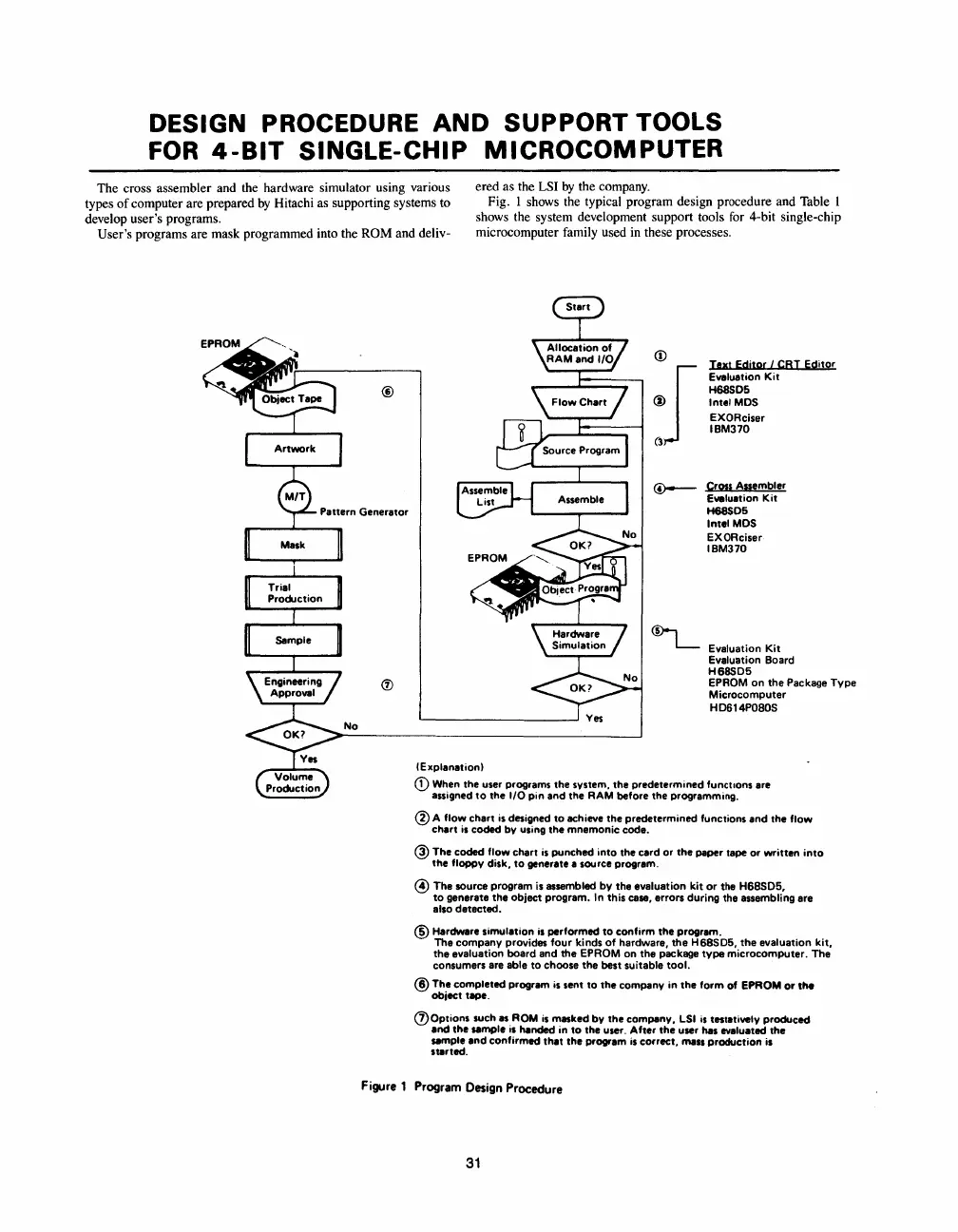
Fig. 1 shows the typical program design procedure and Table I
shows the system development support tools
for
4-bit single-chip
microcomputer family used
in
these processes.
User's programs are mask programmed into the
ROM and deliv-
No
IExplanation)
<D
®J
(3
T'lt
Editor'
CRr
Editor
Evaluation Kit
H68SD5
Intel
MDS
EXORciser
IBM370
~
Cross
Auembler
Evaluation Kit
H68SD5
Intel
MDS
EXORciser
IBM370
Evaluation Kit
Evaluation Board
H68SD5
EPROM
on
the
Package
Type
Microcomputer
HD614P080S
CD
When
the
user programs the system,
the
predetermined
functions are
assigned
to
the
110
pin
and
the
RAM
before
the
programming.
@ A flow
chart
is
designed
to
achieve
the
predetermined
functions
and
the
flow
chart
is
coded
by
using
the
mnemonic
code.
@
The
coded
flow
chart
is
punched
into the
card
or
the
paper
tape
or
written
into
the
floppy disk,
to
generate a source program.
@
The
source program
is
assembled
by
the
evaluation kit
or
the H68SD5,
to
generate
the
object
program. In this case,
errors
during the assembling
are
also
detected.
@)
Hardware simulation
is
performed
to
confirm
the
program.
The
company
provides
four
kinds
of
hardware,
the
H68SD5,
the
evaluation kit,
the
evaluation
board
and
the
EPROM
on
the
package
type
microcomputer.
The
consumers are able
to
choose
the
best
suitable
tool.
®
The
completed
program
is
sent
to
the
company
in
the
form
of
EPROM
or
the
object tape.
o Options such as ROM
is
masked by
the
company,
LSI
is
testatively
produced
and
the
sample
is
handed
in
to
the
user. After
the
user has evaluated
the
sample
and
confirmed
that
the
program
is
correct,
mass
production
is
started.
Figure 1 Program Design Procedure
31


 To Next Page
 Loading...