EasyManua.ls Logo

Hoover Wet/Dry Vac - User Manual

Hoover Wet/Dry Vac
10 pages
Print Icon
To Next Page IconTo Next Page
Loading...
Wet/Dry Vac
with Portable Blower and
Exclusive
two tank system
Owner’s Manual
Read these instructions
before operating cleaner.
®
Question and Answer IconNeed help?

Do you have a question about the Hoover Wet/Dry Vac and is the answer not in the manual?

Summary

Record and retain

Important Safeguards!

Grounding Instructions

Questions or Concerns?

1. Assembly

Attach caster supports and casters

Attaching caster supports and casters to the outer tank for mobility.

Attach small float cage

Securing the float ball and cage to the inner tank for wet operation.

Insert inner tank

Placing the inner tank into the outer tank correctly for two-tank operation.

2. How to use

Attach cleaner lid

Securing the lid onto the cleaner tank for operation.

Attach tool rack

Mounting the tool rack onto the cleaner lid for storage.

Attach hose, wands and cleaning tool

Connecting hoses, wands, and nozzles for cleaning tasks.

Attach Drain cap

Installing the drain cap on the lower front of the tank.

Extension cord instructions

Separate wet;dry tanks

Single tank operation

Automatic wet shut-off

Drywall dust

Portable blower

Removing blower

Steps to detach the blower unit from the cleaner lid.

Attaching tools to blower

How to connect wands and nozzles to the blower.

Storage

3. Maintenance

Emptying tanks

Procedures for draining liquid and removing dry debris from the tanks.

Filters

Information on filter availability and importance of genuine HOOVER filters.

Foam filter

How to clean and replace the foam filter for optimal performance.

Reusable cartridge filter

Steps for cleaning, maintaining, and replacing the cartridge filter.

Lubrication

If you have a problem

Cleaner wont run

Troubleshooting steps for when the cleaner fails to power on or operate.

Loss of air suction

Diagnosing and resolving issues related to reduced vacuum power.

Service

Summary

Record and retain

Important Safeguards!

Grounding Instructions

Questions or Concerns?

1. Assembly

Attach caster supports and casters

Attaching caster supports and casters to the outer tank for mobility.

Attach small float cage

Securing the float ball and cage to the inner tank for wet operation.

Insert inner tank

Placing the inner tank into the outer tank correctly for two-tank operation.

2. How to use

Attach cleaner lid

Securing the lid onto the cleaner tank for operation.

Attach tool rack

Mounting the tool rack onto the cleaner lid for storage.

Attach hose, wands and cleaning tool

Connecting hoses, wands, and nozzles for cleaning tasks.

Attach Drain cap

Installing the drain cap on the lower front of the tank.

Extension cord instructions

Separate wet;dry tanks

Single tank operation

Automatic wet shut-off

Drywall dust

Portable blower

Removing blower

Steps to detach the blower unit from the cleaner lid.

Attaching tools to blower

How to connect wands and nozzles to the blower.

Storage

3. Maintenance

Emptying tanks

Procedures for draining liquid and removing dry debris from the tanks.

Filters

Information on filter availability and importance of genuine HOOVER filters.

Foam filter

How to clean and replace the foam filter for optimal performance.

Reusable cartridge filter

Steps for cleaning, maintaining, and replacing the cartridge filter.

Lubrication

If you have a problem

Cleaner wont run

Troubleshooting steps for when the cleaner fails to power on or operate.

Loss of air suction

Diagnosing and resolving issues related to reduced vacuum power.

Service

Overview

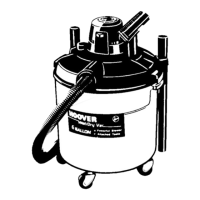
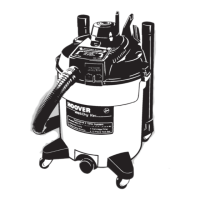
The device is a HOOVER Wet/Dry Vac, designed for both wet and dry pick-up, and features a portable blower. It incorporates an exclusive two-tank system for enhanced versatility.

Function Description:

The HOOVER Wet/Dry Vac is a multi-purpose cleaning appliance intended for household use. Its primary functions include:

  • Wet Pick-up: Capable of vacuuming liquids, with an automatic shut-off mechanism that engages when either the inner or outer tank is full of liquid, or if the cleaner is tipped over.
  • Dry Pick-up: Designed to vacuum dry debris.
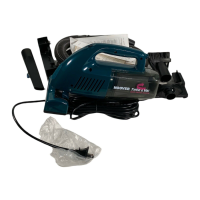
  • Portable Blower: The cleaner includes a detachable blower that can be used to clear dirt from areas inaccessible to suction.

Important Technical Specifications:

  • Voltage: Operates at the voltage specified on the data plate located on the cleaner lid.
  • Grounding: The appliance must be properly grounded, equipped with a 3-prong grounding type plug and requiring an appropriate 3-pole receptacle.
  • Extension Cord: For outdoor use, a grounding type SJT extension cord of 16 gauge (up to 35 feet) or 14 gauge (any length) is recommended.
  • Filters: Utilizes a reusable cartridge filter for dry pick-up and a small foam filter for wet pick-up (when using the two-tank system). For single-tank wet pick-up, a HOOVER foam filter sleeve is recommended instead of the cartridge filter.
  • Hose Diameters: Comes with both 1 1/4-inch and 2 1/2-inch diameter hoses and corresponding tool sets. An adapter is included with some models to allow smaller diameter tools to be used with the 2 1/2-inch hose.

Usage Features:

  • Exclusive Two-Tank System: This allows for switching between wet and dry pick-up without needing to empty the tank or change filters. Dry debris collects in the inner tank, and wet debris collects in the outer tank.
  • Single Tank Operation: For very large amounts of debris (wet or dry), the cleaner can be operated without the inner tank in place.
  • Wet/Dry Selector: A selector switch on the cleaner lid allows the user to choose between "Dry tank inlet" and "Wet tank inlet" for optimal performance based on the cleaning task.
  • Tool Storage Rack: A rack is provided on the back of the cleaner lid for convenient storage of tools and accessories.
  • Wand Storage Holders: Wands can be stored on the rear caster supports, with larger diameter wands fitting into outer triangles and smaller diameter wands storing inside larger wands and over small triangular pegs.
  • Cord Hook: A hook is available for looping and storing the power cord.
  • Drain Cap: A drain cap is located on the lower, front of the tank for easy emptying of liquids.
  • Casters: Equipped with four casters for easy maneuverability.
  • Carrying Handles: Integrated handles on the cleaner lid facilitate transport.
  • ON/OFF Switch: A simple switch controls the power to the cleaner.
  • Attached Tools: Includes a variety of tools for different cleaning tasks:
    • 1 1/4-inch tool set: hose, 2 extension wands, wet/dry nozzle (with squeegee insert), utility nozzle, crevice tool.
    • 2 1/2-inch tool set: hose, 2 extension wands, blower nozzle, utility nozzle.
  • Safety Precautions:
    • Wear eye protection when operating the portable blower.
    • Wear ear protection if operating the cleaner or blower for prolonged periods.
    • Do not use the blower in wet or rainy conditions.
    • Avoid blowing toward people, animals, or objects that could be damaged by flying debris.
    • Secure loose hair and clothing when using the blower.

Maintenance Features:

  • Emptying Tanks:
    • Dry Pick-up: Release lid latches, remove cleaner lid, scoop out debris (if full) to make the tank easier to lift, then empty contents into a receptacle. Rinse and wipe dry. The inner tank can be removed for easier emptying if not very full. Do not grab the filter cage when emptying the inner tank.
    • Wet Pick-up: Unscrew the drain cap from the bottom of the outer tank and empty contents into a suitable drain. Tip the cleaner if necessary to drain all liquid. Rinse inside of the tank thoroughly with clean water, especially if substances other than plain water were picked up. Wipe inside of the tank dry.
  • Filter Cleaning:
    • Foam Filter: Disconnect power, remove the foam filter, rinse with clean water, and air dry. To replace, slide it completely down over the inner tank filter cage.
    • Reusable Cartridge Filter: Disconnect power. After dry pick-up, remove the filter and gently tap it against the inside of the cleaner tank or brush off debris with a soft brush. After wet pick-up, allow the filter to dry, then gently brush. Check for tears or holes and replace if necessary. The cartridge filter can also be rinsed occasionally with tap water, but vigorous scrubbing or frequent rinsing may shorten its life. To replace, slide it over the filter cage until it goes no further.
  • Filter Replacement: Filters are available from Hoover Factory Service Centers or Authorized Hoover Warranty Dealers. Only genuine HOOVER filters should be used to ensure peak performance.
  • Lubrication: The motor bearings are pre-lubricated for the life of the motor; no additional lubricant should be added.

Hoover Wet/Dry Vac Specifications

General IconGeneral
BrandHoover
ModelWet/Dry Vac
CategoryVacuum Cleaner
LanguageEnglish

Related product manuals