This document serves as a Quick Start guide for the HUAWEI MediaPad T1 7.0, providing essential information for its use, safety, and maintenance.
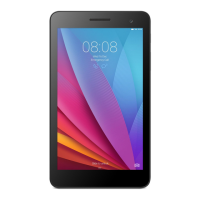
The HUAWEI MediaPad T1 7.0 is a portable electronic device designed for various functions, including communication, entertainment, and productivity. It features a front camera and a rear camera for capturing photos and videos. Audio output is provided through a speaker, and a headset jack allows for private listening. The device is powered on and off using a dedicated power key, which also serves to turn the screen on or off with a single press. Volume adjustments are made via a volume key. For connectivity and charging, the device includes a Micro-USB port. A microphone is integrated for audio input, and a card slot is available for expandable storage or SIM cards, depending on the model.
Usage Features:
To power on or off the device, or to restart it, press and hold the power key. A quick press of the power key will turn the screen on or off. The device supports the installation of a card into its dedicated slot. Charging the battery is done by connecting the device to a power adapter via the Micro-USB port.
For optimal performance and safety, it is important to adhere to the following guidelines:
- Electronic Device Usage: Do not use the device where its use is prohibited or where it may cause interference with other electronic devices.
- Interference with Medical Equipment: Follow all rules and regulations in hospitals and healthcare facilities. Avoid using the device where prohibited. Be aware that some wireless devices may affect hearing aids or pacemakers. If you use a pacemaker, maintain a minimum distance of 15 cm between the device and the pacemaker. Hold the device on the side opposite the pacemaker and do not carry it in your front pocket.
- Protecting Hearing: When using a headset, do not listen at high volume levels for prolonged periods to prevent possible hearing damage. Lower the headset volume to a safe and comfortable level. High volumes while driving can cause distraction and increase the risk of an accident.
- Flammable and Explosive Areas: Do not use the device where flammables or explosives are stored, such as gas stations, oil depots, or chemical plants, as this increases the risk of explosion or fire. Follow all instructions and symbols in such environments. Do not store or transport the device in containers with flammable liquids, gases, or explosives.
- Traffic Security: Observe local laws and regulations while using the device. Do not use your wireless device while driving to reduce the risk of accidents. Concentrate on driving, as it is your primary responsibility. RF signals may affect the electronic systems of motor vehicles; consult the vehicle manufacturer for more information. Do not place the device over an airbag or in the airbag deployment area, as the force of an inflating airbag could cause injury. Do not use the device while flying in an aircraft or immediately before boarding, as wireless devices can disrupt wireless networks, pose a hazard to aircraft operation, or be illegal.
- Operating Environment: Avoid dusty, damp, or dirty environments, and magnetic fields, as these can cause circuit malfunctions. Do not use the device during thunderstorms to protect it from lightning damage. The ideal operating temperature is 0 °C to 35 °C, and ideal storage temperature is -40 °C to 70 °C. Extreme temperatures can damage the device or accessories. Do not expose the device to direct sunlight for prolonged periods. To protect against fire or electrical shock, avoid rain and moisture. Keep the device away from heat and fire sources like heaters, microwave ovens, stoves, water heaters, radiators, or candles. Do not place sharp metal objects near the earpiece or speaker, as they may be attracted and cause injury. If the device overheats, stop using it or its applications for a while. Prolonged skin exposure to an overheated device can cause low-temperature burn symptoms. Do not touch the device's antenna, as this may reduce communication quality. Do not allow children or pets to bite or suck the device or accessories, as this can cause damage or explosion. Always observe local laws and regulations, and respect privacy and legal rights.
- Child's Safety: Comply with all child safety precautions. Detachable parts can be a choking hazard, so keep them away from children. The device and its accessories are not intended for use by children and should only be used under adult supervision.
- Accessories: Use only approved accessories. Unapproved or incompatible power adapters, chargers, or batteries can cause fire, explosion, or other hazards. Using unapproved accessories may void the warranty, violate regulations, and be dangerous. Contact your retailer for information on approved accessories.
- Charger Safety: For pluggable devices, the socket-outlet should be easily accessible and installed near the device. Unplug the charger from electrical outlets and the device when not in use. Do not drop or impact the charger. If the power cable is damaged or the plug loosens, stop using it immediately to prevent electric shocks, short circuits, or fire. Do not touch the power cord with wet hands or pull it to disconnect the charger. If the charger has been exposed to water or other liquids, take it to an authorized service center for inspection. Ensure the charger meets the requirements of Clause 2.5 in IEC60950-1/EN60950-1/UL60950-1 and is approved according to national or local standards. Connect the device only to products with the USB-IF logo or USB-IF compliance program completion.
- Battery Safety: Do not connect battery poles with conductors (e.g., keys, jewelry, metal materials) to avoid short-circuiting, injuries, or burns. Keep the battery away from excessive heat and direct sunlight. Do not place it on or in heating devices, as batteries may explode if overheated. Do not attempt to modify or remanufacture the battery, insert foreign objects, or immerse it in liquids, as this can lead to fire, explosion, or other hazards. If the battery leaks, prevent electrolyte contact with skin or eyes. If contact occurs, immediately flush with clean water and consult a doctor. If the battery deforms, changes color, or overheats during charging or storage, stop using it and remove it immediately to prevent leakage, fire, or explosion. Do not put batteries in fire, as they may explode. Dispose of used batteries according to local regulations; improper disposal can lead to fire, explosion, or other hazards. Do not allow children or pets to bite or suck the battery, as this can cause damage or explosion. Do not smash, pierce, or expose the battery to high external pressure, as this can lead to short circuits or overheating. Do not drop the device or battery; if dropped, especially on a hard surface, it may be damaged. If the device's standby time significantly shortens, replace the battery. The device has a built-in, non-removable battery; do not attempt to remove it yourself, as this may damage the device. For battery replacement, take the device to an authorized service center.
- Personal Information and Data Security: Place your device in a safe area to prevent unauthorized use. Set a screen lock with a password or unlock pattern. Periodically back up personal information from your memory card or device memory. When changing devices, move or delete personal information from the old device. Delete suspicious messages or emails from strangers without opening them to avoid viruses. When browsing the Internet, avoid websites that pose security risks to prevent personal information theft. For Wi-Fi or Bluetooth services, set passwords to prevent unauthorized access and turn them off when not in use. Install or upgrade device security software and regularly scan for viruses. Obtain third-party applications from legitimate sources and scan them for viruses. Install security software or patches released by Huawei or third-party providers. Be aware that some applications require and transmit location information, which may be shared with third parties. The device may provide detection and diagnostic information to third-party application providers to improve their products and services. For concerns about personal information and data security, contact mobile@huawei.com.
Maintenance Features:
- Cleaning and Maintenance: Before cleaning or maintaining the device, stop using it, close all applications, and disconnect all cables. Do not use chemical detergents, powder, or other chemical agents (e.g., alcohol, benzene) to clean the device or accessories, as these can cause damage or fire hazards. Use a clean, soft, dry cloth for cleaning. Keep the device and accessories dry; do not use external heat sources like microwave ovens or hair dryers to dry them.
- General Care: Avoid collisions, which can lead to malfunctions, overheating, fire, or explosion. Do not expose the device or accessories to extreme heat or cold, as these environments can interfere with function and lead to fire or explosion. Do not place magnetic stripe cards (e.g., credit cards, phone cards) near the device for extended periods, as they may be damaged. Do not dismantle or remanufacture the device and its accessories, as this voids the warranty and releases the manufacturer from liability for damage. In case of damage, contact an authorized service center. If the device screen is broken in a collision, immediately stop using the device. Do not touch or attempt to remove broken parts. Promptly contact an authorized service center.
- Environmental Protection: The device and its accessories (power adapter, headset, battery) should not be disposed of with household garbage. Disposal is subject to local regulations; support proper collection and recycling. The symbol (with or without a solid bar) on the device, batteries, and/or packaging indicates that these items should not be disposed of as unsorted municipal waste but taken to a certified collection point for recycling. For more information on device or battery recycling, contact your local city office, household waste disposal service, or retail store. Disposal is subject to WEEE Directive Recast (2012/19/EU) and Battery Directive (2006/66/EC) to minimize environmental impacts and human health risks from hazardous substances.
- Reduction of Hazardous Substances: The device complies with REACH Regulation (EC) No 1907/2006 and RoHS Directive Recast (2011/65/EU). Batteries comply with the Battery Directive (2006/66/EC). For up-to-date compliance information, visit http://consumer.huawei.com/certification.

 Need help?
 General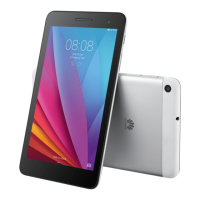







 To Next Page