CVH8, HVH8, TVH8, VA9, HVA9, TVA9: APPLICATION GUIDELINE & SERVICE MANUAL
Manufacturer reserves the right to change, at any time, specifications and designs without notice and without obligations.
9
A200126
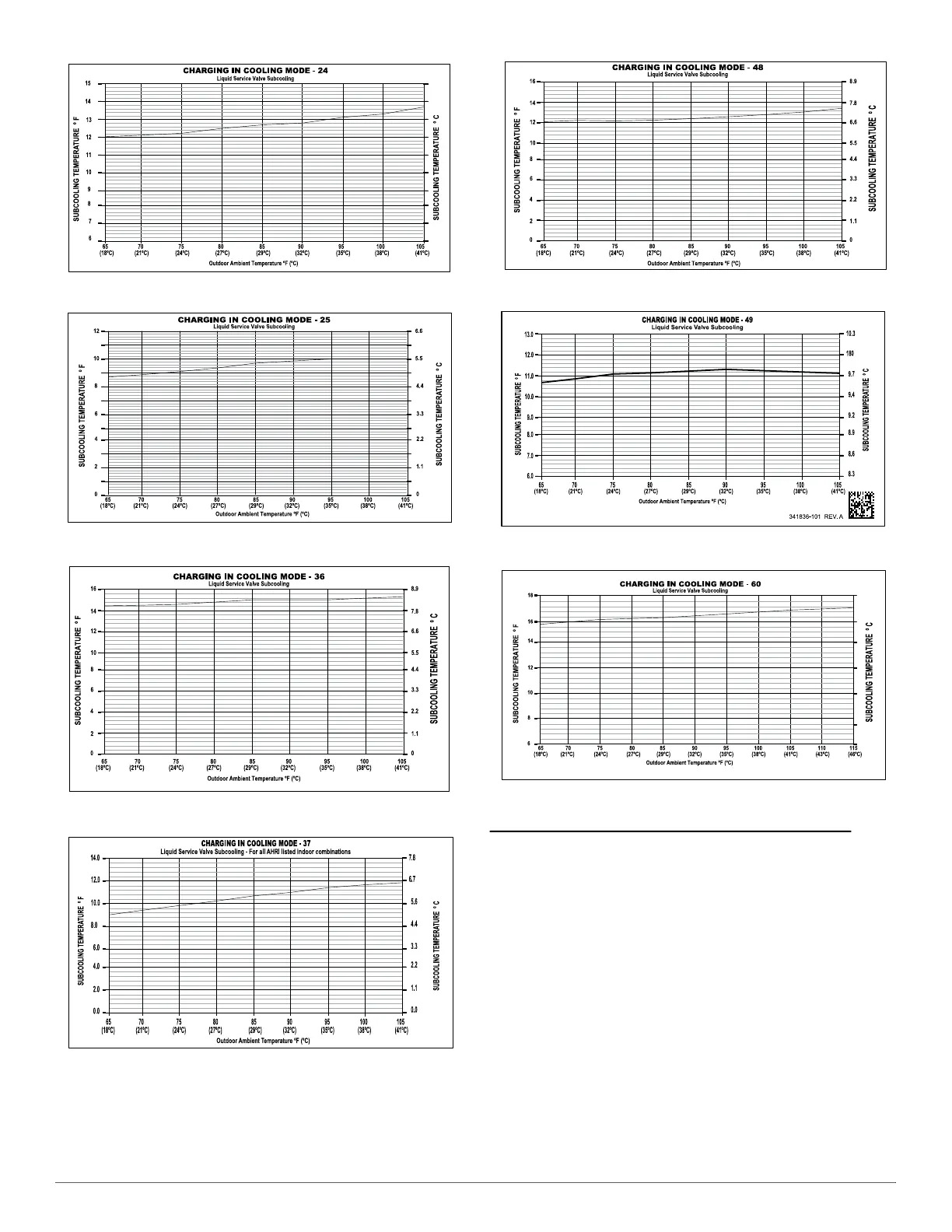
Fig. 15 – Charging in Cooling Mode CVA9, HVA9, TVA924
A200127
Fig. 16 – Charging in Cooling Mode CVA9, HVA9, TVA925
A200128
Fig. 17 – Charging in Cooling Mode CVA9, HVA9, TVA936
A200129
Fig. 18 – Charging in Cooling Mode CVA9, HVA9, TVA937
A200130
Fig. 19 – Charging in Cooling Mode CVA9, HVA9, TVA948
A200131
Fig. 20 – Charging in Cooling Mode CVA9, HVA9, TVA949
A200132
Fig. 21 – Charging in Cooling Mode CVA9, HVA9, TVA960
Heating Check Chart Procedure (See Fig.22 - 27)
In heating mode, the required charging method is by weigh-in. On new
installations or complete recharge, refer to the unit rating plate and
indoor fan coil / furnace coil per Table 4 and Table 5 for additional
charge needed. Refrigerant charge adjustment amount for adding or
removing 0.6 oz/ft (17.74 g/m) of 3/8 liquid line above or below 15ft
(4.57 m) respectively.
To use the Heating Check Chart, operate system at Y1+Y2–high stage.
These charts indicate whether a correct relationship exists between
system operating pressure and air temperature entering indoor and
outdoor units. If pressure and temperature do not match on chart, system
refrigerant charge may not be correct. DO NOT USE CHART TO
ADJUST REFRIGERANT CHARGE.
NOTE: High pressure is at vapor service valve. Add 12 psig if high
pressure is taken from liquid service valve.
NOTE: When charging is necessary during heating season, charge must
be weighed in accordance with unit rating plate, ±0.6 oz./ft (±17.74
g/m). of 3/8-in. liquid-line above or below 15 ft (4.57 m), respectively.



 To Next Page