This document serves as a user manual for the HyperMotion Ruby 12 Scooter, providing instructions for assembly, maintenance, and safe operation in multiple languages (Polish, English, German, French, Italian, and Spanish).
Function Description
The HyperMotion Ruby 12 Scooter is a two-wheeled kick scooter designed for recreational use. It features a handlebar for steering, a deck for standing, and front and rear hand brakes for stopping. The scooter is intended for single-rider use and is equipped with pneumatic tires, suggesting suitability for various terrains, though specific warnings advise against rough surfaces and motor vehicle roads. The manual emphasizes the importance of proper assembly and regular maintenance to ensure safe and enjoyable use.
Important Technical Specifications
- Model: Ruby 12 Scooter
- Standard: EN 14619:2019 Class B
- Maximum Weight: 50 kg
- Age Recommendation: Not recommended for persons under 5 years of age.
- Brakes: Hand brakes (front and rear), requiring assembly and adjustment before first use.
- Tires: Pneumatic tires; recommended pressure is printed on the sidewall of the tire.
- Handlebar: Adjustable height, secured with a stem bolt.
- Wheel Bearings and Head Set: Quality bicycle components, requiring annual disassembly, cleaning, lubrication, and adjustment by a qualified repair person.
Usage Features
- Assembly: The manual provides detailed, illustrated instructions for assembling the handlebar, front wheel, and hand brakes. Key steps include installing the handlebar stem into the fork tube, tightening the stem bolt, mounting the front wheel, and attaching and adjusting the brake arms and cables.
- Braking System: The hand brakes are not factory-adjusted and require user assembly and calibration. The process involves inserting brake cable barrels into the brake levers, routing cables through anchor bolts, and ensuring a 1.6 mm (1/16 inch) clearance between the wheel rim and each brake rubber. The manual warns that the speed reduction mechanism can get hot from continuous use and should not be touched immediately after braking.
- Safety Precautions:
- Always wear a helmet and other protective equipment (hand/wrist, knee, head, and elbow protection).
- Do not ride near motor vehicles, on roads, near steps, steep driveways, hills, or in wet conditions.
- Practice braking in a safe environment.
- Ensure the scooter is fully assembled and all components are securely tightened before riding.
- Keep both hands on the handlebar.
- Do not wear anything that restricts hearing.
- Brake gently to avoid skidding or sudden stops, which can cause excessive wear to tires and damage to the scooter.
- Avoid hazards such as potholes, ruts, uneven pavement, storm gratings, gravel, curbs, leaves, puddles, and debris.
- Always wear shoes.
- Give pedestrians the right-of-way.
- Do not ride at night.
- The handlebar and stem adjustment for a child's height must be done under adult supervision.
- The scooter is designed for a single rider only.
Maintenance Features
- Regular Checks: Users should regularly check that all components are securely tightened, including handlebars, stem, axle nuts, and handlebar grips.
- Brake Inspection: Before each ride, check the brake operation for loose brake levers, worn brake pads, or broken, frayed, or kinked brake cables.
- Tire Maintenance: Check tire pressure weekly (recommended pressure is on the sidewall), tread wear, and for any cuts on the sidewalls. Riding with low air pressure can damage tires or wheels and lead to loss of control.
- Professional Servicing: The wheel bearings and head set are high-quality bicycle components that should be disassembled, cleaned, lubricated, and adjusted annually by a qualified bicycle repair person. Broken or worn parts should be replaced as necessary.
- Modifications: No modifications other than those specified by the manufacturer are allowed.
- Self-locking Nuts: Note that self-locking nuts and other self-locking fixings may lose their effectiveness over time.

 Need help?
 General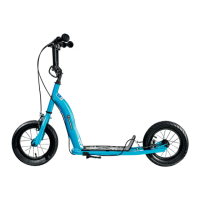

 To Next Page