EasyManua.ls Logo

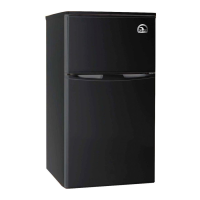
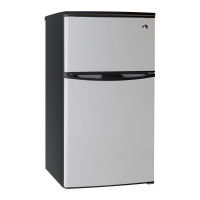
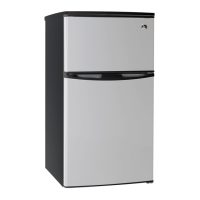
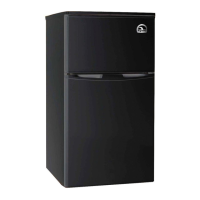
Igloo FR832 - User Manual

Igloo FR832
9 pages
Print Icon
To Next Page IconTo Next Page
Loading...
Question and Answer IconNeed help?

Do you have a question about the Igloo FR832 and is the answer not in the manual?

Summary

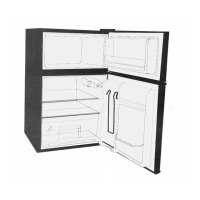
Appliance Parts and Operation

Top Plate

Top plate for placing items. Avoid unstable or hot objects for safety and stability.

Freezer Chamber

Chamber for freezing food, making ice, and storing frozen items. Do not store canned liquids.

Ice Tray

Used for making ice cubes. Fill to 4/5 capacity and use high cooling for faster ice production.

Cold-storing Chamber

Main compartment for food and beverages, featuring a bottom drawer for vegetables and fruit.

Temperature Regulator

Controls cooling intensity from 1 (weak) to 7 (strong). Position 0 disables the compressor.

Shelf

Adjustable height shelf for placing various objects. Avoid placing excessively heavy items.

Feet of Fridge

Adjustable feet to ensure the fridge is stable on uneven floors.

Correct Positioning and Setup

Ventilation Requirements

Ensure adequate space around the fridge for heat dissipation and efficient operation.

Power Line Cord Handling

Do not lengthen, coil, or place the cord near the compressor due to heat.

Power Supply Specifications

Use 220-240V, 50Hz AC. Employ a special grounded socket and consider a voltage regulator.

Moisture Protection

Avoid humid places and direct water spray to prevent rust and electrical issues.

Stable Placement

Place on a flat, solid floor. Adjust feet and avoid placement near echoing surfaces.

Heat Source Avoidance

Keep the fridge away from direct sunlight and other heat sources.

Safety and Operational Guidelines

Keep Away from Danger

Do not place near volatile or combustible substances like gas, petrol, or alcohol.

Moving the Refrigerator

Avoid setting horizontally, declining beyond 45°, or placing upside-down when moving.

Beginning of Operation

Wait 5 minutes after positioning before supplying power. Do not store food until sufficiently cold.

Cautions and Maintenance

Power Failure Procedures

Wait 5 mins before restarting. For anticipated failure, set regulator to '7' and make ice.

Food Storage Best Practices

Avoid overfilling. Wrap food, wash/dry produce. Shut doors immediately after use.

Gas Leakage Safety

If gas leaks, turn off the valve and ventilate. Do not touch the fridge or plug immediately.

Defrosting Procedures

Defrost when frost exceeds 10mm. Cold-storing chamber defrosts automatically; freezer chamber manually.

Cleaning and Maintenance

Clean every two months after unplugging. Use a wet cloth and mild detergent for dirt.

Cautions for Cleaning

Do not use hot water, solvents, or abrasive cleaners. Avoid direct water spray on the fridge.

Temporary Storage

Unplug, empty, clean, and leave doors slightly ajar in a dry place when not in use.

Troubleshooting Guide

Understanding Normal Phenomena

Recognize normal operating sounds and surface temperatures, including compressor heat.

Not Refrigerating Issues

Check power cord, circuit, voltage, and temperature regulator setting if the fridge isn't cooling.

Poor Refrigeration Causes

Check regulator, food density, hot food, door usage, and fridge placement.

Loud Noise Troubleshooting

Ensure the floor is solid, the fridge is stable, and it's not touching walls or objects.

Frozen Food in Cold-storing Chamber

Check regulator setting, food water content, and ambient temperature.

Never Stopping Working Issues

Check regulator, food load, hot food, door usage, and ambient temperature.

Summary

Appliance Parts and Operation

Top Plate

Top plate for placing items. Avoid unstable or hot objects for safety and stability.

Freezer Chamber

Chamber for freezing food, making ice, and storing frozen items. Do not store canned liquids.

Ice Tray

Used for making ice cubes. Fill to 4/5 capacity and use high cooling for faster ice production.

Cold-storing Chamber

Main compartment for food and beverages, featuring a bottom drawer for vegetables and fruit.

Temperature Regulator

Controls cooling intensity from 1 (weak) to 7 (strong). Position 0 disables the compressor.

Shelf

Adjustable height shelf for placing various objects. Avoid placing excessively heavy items.

Feet of Fridge

Adjustable feet to ensure the fridge is stable on uneven floors.

Correct Positioning and Setup

Ventilation Requirements

Ensure adequate space around the fridge for heat dissipation and efficient operation.

Power Line Cord Handling

Do not lengthen, coil, or place the cord near the compressor due to heat.

Power Supply Specifications

Use 220-240V, 50Hz AC. Employ a special grounded socket and consider a voltage regulator.

Moisture Protection

Avoid humid places and direct water spray to prevent rust and electrical issues.

Stable Placement

Place on a flat, solid floor. Adjust feet and avoid placement near echoing surfaces.

Heat Source Avoidance

Keep the fridge away from direct sunlight and other heat sources.

Safety and Operational Guidelines

Keep Away from Danger

Do not place near volatile or combustible substances like gas, petrol, or alcohol.

Moving the Refrigerator

Avoid setting horizontally, declining beyond 45°, or placing upside-down when moving.

Beginning of Operation

Wait 5 minutes after positioning before supplying power. Do not store food until sufficiently cold.

Cautions and Maintenance

Power Failure Procedures

Wait 5 mins before restarting. For anticipated failure, set regulator to '7' and make ice.

Food Storage Best Practices

Avoid overfilling. Wrap food, wash/dry produce. Shut doors immediately after use.

Gas Leakage Safety

If gas leaks, turn off the valve and ventilate. Do not touch the fridge or plug immediately.

Defrosting Procedures

Defrost when frost exceeds 10mm. Cold-storing chamber defrosts automatically; freezer chamber manually.

Cleaning and Maintenance

Clean every two months after unplugging. Use a wet cloth and mild detergent for dirt.

Cautions for Cleaning

Do not use hot water, solvents, or abrasive cleaners. Avoid direct water spray on the fridge.

Temporary Storage

Unplug, empty, clean, and leave doors slightly ajar in a dry place when not in use.

Troubleshooting Guide

Understanding Normal Phenomena

Recognize normal operating sounds and surface temperatures, including compressor heat.

Not Refrigerating Issues

Check power cord, circuit, voltage, and temperature regulator setting if the fridge isn't cooling.

Poor Refrigeration Causes

Check regulator, food density, hot food, door usage, and fridge placement.

Loud Noise Troubleshooting

Ensure the floor is solid, the fridge is stable, and it's not touching walls or objects.

Frozen Food in Cold-storing Chamber

Check regulator setting, food water content, and ambient temperature.

Never Stopping Working Issues

Check regulator, food load, hot food, door usage, and ambient temperature.

Igloo FR832 Specifications

General IconGeneral
BrandIgloo
ModelFR832
CategoryRefrigerator
LanguageEnglish

Related product manuals