
 Need help?
Do you have a question about the Indian Motorcycle SCOUT BOBBER 2021 and is the answer not in the manual?
Information on service procedures, manual scope, and dealer consultation.
Guidelines for operating the motorcycle in countries other than USA and Canada.
Record for important vehicle identification numbers like VIN and engine number.
Importance of reading and understanding the rider's manual for safe operation.
Essential practices for safe motorcycle operation, including rider education.
Acknowledges risks in motorcycling and emphasizes understanding safety information.
How motorcycle design influences safe riding practices and weight limits.
General safe riding practices to follow before and during rides.
Guidance on wearing appropriate protective gear like helmets and clothing.
How the ABS system responds during braking events and rider interaction.
Guidelines for selecting and installing accessories to ensure safety.
Information on how modifications can affect warranty and legality.
Proper procedures for parking the motorcycle safely, considering location.
Precautions for operating with saddlebags/cargo affecting stability.
Safety instructions and recommendations for carrying a passenger.
Critical safety warnings related to handling gasoline and exhaust fumes.
Importance of performing safety maintenance as recommended to prevent accidents.
Understanding GVWR to prevent loss of control due to overloading.
Procedures for reporting vehicle safety defects to NHTSA and Indian Motorcycle.
Identification and purpose of various safety and information labels on the motorcycle.
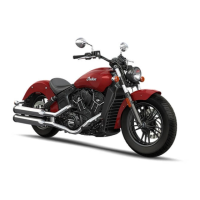
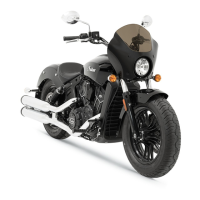
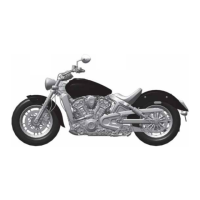
Identification of major components of the Indian Scout Bobber motorcycle.
Identification of major components specific to the Indian Scout Bobber Twenty.
Identification of major components specific to the Indian Scout Bobber Sixty.
Overview of the handlebar controls and console features.
Location and function of controls on the left and right handlebar switch clusters.
Explanation of various switch symbols and their corresponding functions.
Detailed explanation of how specific switches like headlight and hazard function.
Operation of the engine stop/run and starter switches for engine control.
Operation of the ignition and headlight control switch.
Description of the instrument cluster, including speedometer and indicator lamps.
Explanation of MFD tell-tales, modes, and display unit settings.
Operation and function of the clutch lever and gear shift lever.
Operation and safety warnings related to the motorcycle's sidestand.
How to use the steering lock and an overview of the braking system.
Operation of the front brake lever and rear brake pedal.
Importance and general guidelines for performing pre-ride inspections before each ride.
Procedures for inspecting the motorcycle's electrical system before riding.
Step-by-step guide on how to check the engine oil level.
Inspection of tires, including pressure, condition, and tread depth.
Checking front and rear brake fluid levels and lever/pedal operation.
Inspection of brake lines and the mechanical clutch system.
Inspecting throttle, front/rear suspension, and sidestand.
Inspection of the motorcycle chassis and engine for loose fasteners.
Introduction to operation, break-in maintenance, and engine break-in procedures.
Recommended operating speeds and gear usage during break-in.
Safe procedures for refueling the motorcycle, including fuel recommendations.
Priming the fuel system and step-by-step guide for starting the engine.
Information on idle timer shutdown and how misfires are indicated.
Procedures for shifting gears, including neutral location and driving techniques.
Chart for shift points and safe braking procedures, including ABS.
Procedures for accelerating, stopping the engine, and parking safely.
Guidelines for parking the motorcycle on inclined or soft surfaces.
Overview of maintenance, including safety precautions during service.
Information on major repairs, periodic maintenance schedules, and definitions.
Detailed schedule for engine and chassis maintenance intervals.
Step-by-step instructions for changing the engine oil and filter.
Explanation of the coolant system and procedure for coolant level inspection.
Procedures for air filter inspection, fuel filter replacement, and fuel tank removal.
Instructions for drive belt inspection, tension check, adjustment, and alignment.
How to clean the drive belt and analyze its condition for wear.
How to measure and adjust rear shock preload for proper ride height.
Inspection procedures for suspension components and steering head.
Inspection of crankcase breather hoses and evaporative emission control system.
Maintenance for fuel system, throttle, sidestand, and mechanical clutch.
Procedures for brake fluid changes, pad inspection, and disc inspection/cleaning.
Inspection of ABS components, wheels, and tire replacement guidelines.
Specifications for spark plugs and instructions for seat removal.
How to inspect and adjust the headlight aim.
Instructions for replacing the headlight bulb.
Information on battery type, removal, installation, and charging.
Procedure for fuse replacement and electrical system precautions.
Inspecting the exhaust system for leaks and fastener tightness.
Procedure for re-torquing exhaust hose clamps and identifying components.
Safety for elevating the motorcycle and importance of road testing after service.
Inspecting fasteners and information on torque specifications.
Common problems like engine not starting, poor running, and shifting difficulties.
Diagnosing engine overheating, low battery charging, and brake issues.
Recommended cleaning products and safe methods for washing the motorcycle.
Care instructions for windshield, matte, and gloss clear coat finishes.
How environmental factors affect leather and recommended care procedures.
How and when to apply leather care dressing and answers to common questions.
Guidelines for preparing a storage location and adding fuel stabilizer.
General maintenance during storage and measures to protect against rodents.
Instructions for parking and covering the motorcycle for storage.
Steps to take to prepare the motorcycle after extended storage.
Technical specifications including dimensions, weight, capacities, engine, chassis, drive, wheels, and electrical.
Technical specifications for the Indian Scout Bobber Twenty model.
Technical specifications for the Indian Scout Bobber Sixty model.
Recommended fuel type, engine oil, fork oil, and brake fluid.
Overview of the limited warranty terms, duration, and transferability.
Procedures and importance of registering the motorcycle for warranty coverage.
Details on what is covered and excluded under the limited warranty.
Limitations on warranty claims and available remedies.
Warranty exclusions for lubricants and procedures for obtaining warranty service.
Procedures for warranty service based on location and purchase origin.
Warranty limitations for exported vehicles and information on noise regulations.
Explanation of the emission control system warranty and owner obligations.
Owner's responsibilities for maintenance and presenting the motorcycle for service.
Details on warranty coverage for parts and repairs within the USA.
Limitations of the emission control system warranty.
Statement of limited liability and information on legal rights granted by the warranty.
Information on replacement parts and warranty period start.
A log to record performed maintenance, dates, miles/km, notes, and who performed it.
 General
| Displacement | 1133 cc |
|---|---|
| Bore x Stroke | 99 mm x 73.6 mm |
| Compression Ratio | 10.7:1 |
| Fuel System | Electronic Fuel Injection |
| Horsepower | 100 hp |
| Transmission | 6-speed |
| Front Suspension | Telescopic Fork |
| Rear Suspension | Dual Shocks |
| Engine Type | V-twin |
| Torque | 97 Nm |
| Front Brake | Single 298 mm Rotor / 2 Piston Caliper |
| Rear Brake | Single 298 mm Rotor / 1 Piston Caliper |
| Front Tire | 130/90B16 |
| Rear Tire | 150/80B16 |
| Brakes | ABS |




 To Next Page