This document is a setup guide for Fibre to the Curb (FTTC) services, specifically for connecting to the nbn™ network using iPrimus equipment. It outlines a step-by-step process for activating internet and phone services, providing clear instructions and visual aids to assist users.
Function Description:
The primary function of this guide is to enable users to self-install and configure their FTTC internet and phone services. It details the connection of two main devices: the nbn™ connection device and the iPrimus Wi-Fi modem. The nbn™ connection device acts as the interface between the nbn™ network and the user's home, converting the fibre signal into a format usable by the modem. The iPrimus Wi-Fi modem then distributes the internet connection to various devices within the home, either wirelessly via Wi-Fi or through wired Ethernet connections. It also supports Voice over IP (VoIP) for phone services, meaning traditional landline phones connect through the modem rather than directly to a wall socket. The guide ensures that users understand the sequence of connections, the expected status lights, and how to troubleshoot common issues during the setup process. It also highlights important considerations regarding existing services and communication during the transition period.
Usage Features:
The guide is designed for ease of use, breaking down the setup into manageable steps.
- Pre-setup Checklist: Before beginning the physical connections, a checklist prompts users to confirm they have received all necessary equipment, understand the implications for existing services (like disconnections), and have disconnected non-compatible devices. This proactive approach helps prevent issues later in the setup.
- Step 1: Setup nbn™ connection device: This step focuses on connecting the nbn™ connection device to the power outlet and the telephone wall socket. It clearly labels the ports (A, B, C) and provides visual diagrams to ensure correct cable placement. A crucial instruction is to wait for specific lights (Connection Light and DSL Broadband Light) to turn solid blue, indicating a successful connection to the nbn™ network. The guide explicitly states that this process can take up to 15 minutes and advises against unplugging the device during this time.
- Troubleshooting for Step 1: A dedicated section addresses "No solid blue lights?" offering immediate troubleshooting advice: checking cable security and trying a different telephone wall socket. This anticipates common problems and empowers users to resolve them independently before contacting support.
- Step 2: Connect nbn™ connection device to iPrimus modem: This step details the connection between the nbn™ connection device and the iPrimus modem using an Ethernet cable. It specifies plugging the cable into the blue WAN port on the iPrimus modem and a yellow port on the nbn™ connection device. Users are instructed to plug the modem into a separate power outlet and switch it on. Similar to Step 1, a waiting period of up to 15 minutes is advised for the modem to connect to the internet, with an expectation of specific lights indicating a successful connection.
- Step 3: Connect your devices (Wi-Fi and Cable): This section guides users on how to connect their personal devices (phones, laptops, tablets, computers) to the newly established internet connection.
- Wi-Fi Connection: Users are instructed to use the Wi-Fi Name (SSID) and Wi-Fi Password found on the back of their iPrimus modem. A visual representation of a phone's Wi-Fi settings screen is provided, along with a clear image of the modem's label showing where to locate these credentials.
- Cable Connection: For wired connections, users are advised to connect an Ethernet cable from their device to one of the yellow LAN ports on the back of the iPrimus Wi-Fi modem. A diagram illustrates this connection.
- Step 4: Phone service is active: This step addresses the activation of phone services, emphasizing that phones will now connect via VoIP through the iPrimus modem, not traditional wall sockets. Users are informed that they will receive an SMS notification when their phone service is active. To configure the phone, users must power the modem off and then back on, waiting approximately 10 minutes for the WAN, Internet, and VoIP lights to switch on. A diagram shows how to connect a home phone to the modem using a phone cable.
- "Having problems?" Section: This dedicated troubleshooting section at the end of the guide addresses common issues related to internet and Wi-Fi connectivity.
- Internet isn't working: Advises checking cable connections, power cycling the modem, waiting 15 minutes for configuration, and testing with a favourite website.
- Wi-Fi isn't working: Suggests power cycling the device, re-attempting connection, and ensuring the correct, case-sensitive Wi-Fi password from the modem's back label is used.
- Support Information: The guide concludes with clear contact information for iPrimus support, including Live Chat, Tech Support phone number, and a link to online self-service resources, along with operating hours. This ensures users have multiple avenues for assistance if self-troubleshooting is unsuccessful.
- Visual Aids: Throughout the guide, clear and labelled diagrams illustrate each connection step, making it easier for users to follow the instructions accurately.
- Important Notes: Key information, such as potential service disruptions during setup and the need for a charged mobile phone, is highlighted with an exclamation mark icon, ensuring users are aware of critical details.
Maintenance Features:
While this guide primarily focuses on initial setup, it implicitly includes aspects of basic maintenance through its troubleshooting advice.
- Cable Integrity Checks: The troubleshooting sections repeatedly advise users to "check all cables are securely plugged in." This encourages users to regularly inspect their physical connections, which is a fundamental maintenance practice to ensure stable service. Loose or damaged cables can lead to intermittent connectivity, and this guide prompts users to identify and rectify such issues.
- Power Cycling: The instruction to "turn your modem off and back on again" (power cycling) is a common and effective troubleshooting step for many electronic devices. It helps clear temporary glitches and re-establish connections. This is a simple yet vital maintenance action that users can perform themselves to resolve minor service interruptions.
- Understanding Status Lights: By guiding users to observe the status lights on both the nbn™ connection device and the iPrimus modem, the guide indirectly teaches them how to interpret these indicators. Understanding what solid blue or other light patterns mean allows users to quickly assess the operational status of their equipment and pinpoint potential areas of concern, which is a form of proactive monitoring and maintenance.
- Correct Password Usage: Emphasizing the case-sensitivity of the Wi-Fi password helps users maintain secure and correct access to their wireless network, preventing unnecessary lockout issues.
- Disconnection of Non-Compatible Devices: The checklist item about disconnecting non-compatible devices from telephone wall sockets is a preventative maintenance measure. It ensures that old equipment does not interfere with the new FTTC service, which relies on different technology (VoIP for phone services).
In summary, this setup guide is a comprehensive, user-friendly document designed to facilitate a smooth transition to FTTC services. It combines clear instructions, visual support, and practical troubleshooting advice to empower users to connect their internet and phone services effectively, while also embedding basic maintenance practices within its guidance.

 Need help?
 General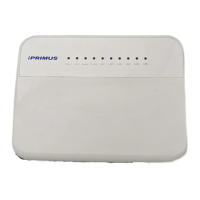

 To Next Page