54
Changing A Tire
If you experience a at tire on your motorhome while driving, gradually decrease your
vehicle speed (if possible), and move the motorhome to a safe place on the side of the road.
Contact your road service provider (if applicable) or a qualied service facility for assis-
tance. this is why
a jack and a spare tire have not been included with the motorhome.
Make sure the road service technician reads and is familiar with the Chassis Guide informa-
tion regarding changing the tires. Make sure the wheel lug nuts have been tightened to the
proper torque as outlined in your Chassis Guide.
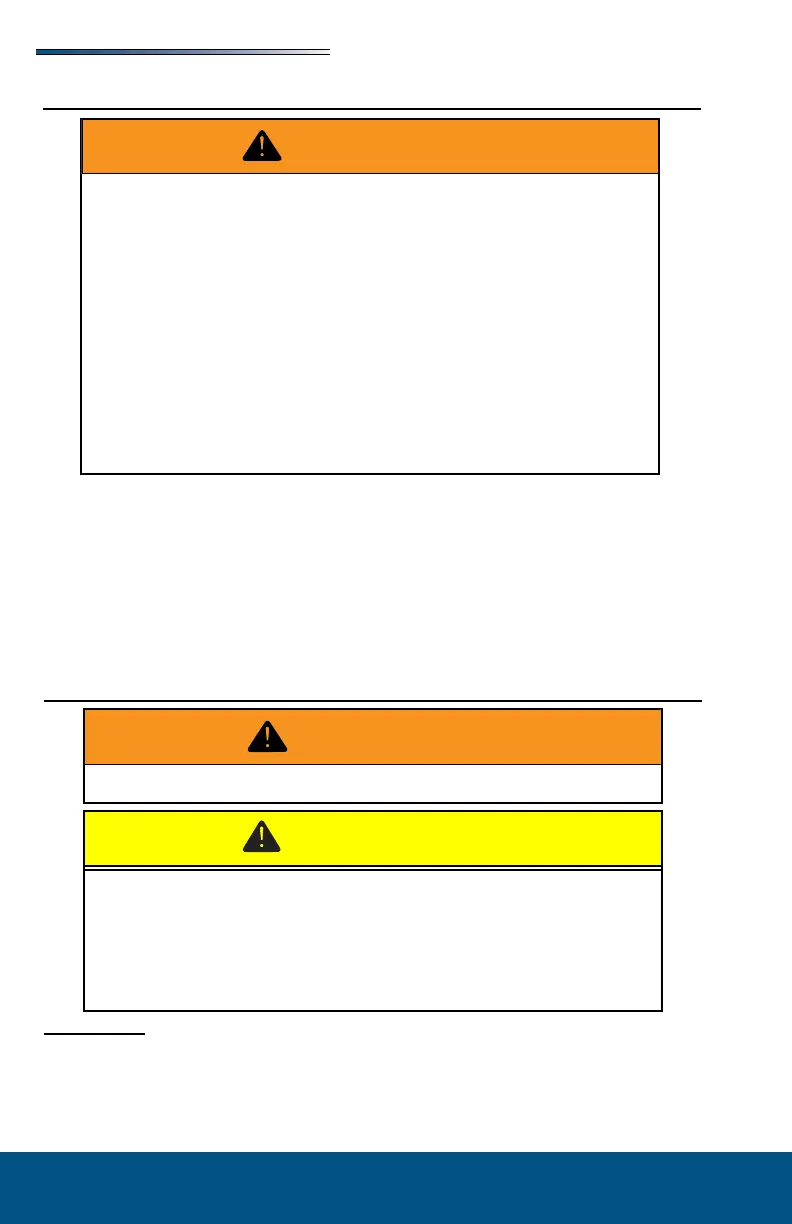
The motorhome is very heavy. Raising the motorhome to replace the
spare tire should only be done with extreme caution by a qualied techni-
cian. The vehicle could slip, causing personal injury or death. DO NOT
ATTEMPT TO DO THIS YOURSELF.
Do not use the hydraulic leveling jack system to support the motorhome
while under the vehicle or changing tires. The hydraulic leveling system
is designed as a leveling system only. Do not use the hydraulic leveling
jack system as a jack or in conjunction with a jack. It is highly rec-
ommended that, should a tire change be required, it be performed by a
knowledgeable, trained professional. Attempts to change tires while sup-
porting the motorhome with the hydraulic leveling jack system could re-
sult in damage to the motorhome and risk causing serious injury or death.
When replacing a tire, make sure to replace it with a tire of the same size
and specications (refer to your Chassis Guide for assistance.)
Awnings (if so equipped)
Keep your awnings clean and in good condition to prevent costly repairs.
Periodically check that the fasteners are tight. Tighten if necessary.
Keep the awning fabric clean. For detailed cleaning information, refer to the
manufacturer’s owner information.
The eects of wind and rain on an awning are unpredictable and can cause
severe damage to the awning and/or the recreation vehicle.
If wind or extended periods of rain are expected
If you leave the RV unattended for a length of time, to avoid unexpected
climate conditions.
Awnings must be closed (and locked if applicable) while the RV is in transit.




 To Next Page