
 Need help?
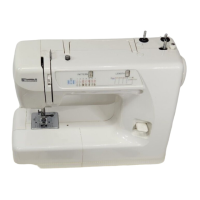
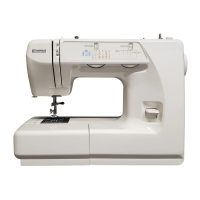
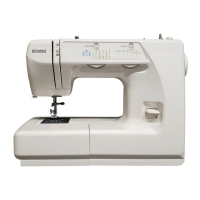
Do you have a question about the Kenmore 385.15516000 and is the answer not in the manual?
How to connect the sewing machine to the electrical power supply.
Safety precautions to be observed while operating the machine.
Guidelines for operating the sewing machine, including polarized plugs.
How to adjust the sewing speed using the foot control pedal.
Use this foot for both straight and zigzag stitching.
Use this foot for exclusively for straight stitching with center needle position.
Use this foot for one step automatic buttonholing.
This foot can be set to sew on each side of the zipper.
Use this foot for satin stitch and outlining applique.
Ideal straight stitch has threads locked between two layers of fabric.
Bobbin thread shows through on the right side, feels bumpy.
Needle thread shows through on the wrong side, feels bumpy.
Minimize visible needle thread on the wrong side without puckering.
Corner of each zigzag pulls together on the right side.
Needle thread loops through wrong side, pulled almost together.
Steps to begin sewing a straight stitch seam.
How to secure and finish a seam.
Using the guides on the needle plate for seam measurement.
Technique for sewing a square corner.
Preparing the fabric for zipper sewing.
The zigzag stitch is common and versatile for utility and decorative uses.
Satin stitch is used for decoration, overcasting raw edges, and applique.
A stitch used for hemming, creating a near-invisible stitch.
Adding decorative lace to garments and home decor.
Strong, durable stitch recommended for elasticity and strength needs.
Used on stretch fabrics for decorative topstitching or zigzag stitch.
How to sew automatic buttonholes using the special foot.
Attaching the automatic buttonhole foot correctly.
Steps for sewing an automatic buttonhole.
Instructions for safely replacing the sewing machine light bulb.
How to clean the feed dogs and needle plate.
Instructions for cleaning the shuttle race area.
Steps for replacing the shuttle assembly.
Where and how to oil the machine behind the front cover.
How to oil the shuttle area.
Causes and references for when the needle thread breaks.
Causes and references for when the bobbin thread breaks.
Causes and references for when the needle breaks.
Causes and references for skipped stitches.
Causes and references for seam puckering.
Causes and references for uneven fabric feeding.
Causes and references for machine malfunctions.
Causes and references for distorted stitch patterns.
Causes and references for noisy machine operation.
 General
| Brand | Kenmore |
|---|---|
| Model Number | 385.15516000 |
| Type | Sewing Machine |
| Stitch Options | Various |
| Needle Type | Universal |
| Bobbin System | Drop-in |
| Built-in Needle Threader | Yes |
| Drop Feed | Yes |
| Free Arm | Yes |
| Foot Control | Yes |
| Stitch Width | Up to 5 mm |
| Included Accessories | All-Purpose Foot, Zipper Foot, Buttonhole Foot, Button Sewing Foot, Seam Ripper, Needles, Bobbins, Screwdriver, Spool Pin Felt, Spool Pin |


 To Next Page