DO NOT BURN TREATED TIMBER
DO NOT BURN WET OR UNSEASONED WOOD
LIGHTING
On initial light up, the presence of smoke may be noticed. This is normal and will dissipate
quickly. DO NOT BURN YOUR WOOD FIRE TOO QUICKLY TO BEGIN WITH.
Allow several small res
to build up a layer of ash in the wood re, and cure the paint before using maximum power.
1. Pull out the air control knob, until it is fully open.
2. Place several pieces of crumpled newspaper in the base
of the rebox, and criss-cross with 8-10 pieces of dry split
kindling. Stack several pieces of dry split rewood no
greater than 30cm in length on top of the kindling.
3. Ignite the paper and leave the door slightly ajar (resting it
on the latch). Let the re establish itself for 4-5 minutes,
then open the door and add some more pieces of wood.
Do not leave the re unattended during this process.
4. Close the door fully, but leave the air control fully open until the wood is well alight
and burning brightly.
Note: It may be necessary in some cases to leave the door ajar for longer periods and use
more small kindling in order to establish enough heat to warm up the ue. Only when the ue is
sufciently warm to create the necessary draft to maintain the re may the door be fully closed.
It may take trial and error to nd a lighting procedure that suits your situation.
NORMAL OPERATION ONCE THE FIRE IS ESTABLISHED
The Kent wood re requires fresh air for optimal burning, and this must come from outside the
house. A normal house will allow enough air in through incidental openings to satisfy this. We
recommend that a source of air be located near the wood re for best performance. This can
be simply a window that is left ajar while the wood re is in use. If this is not possible, and the
house is particularly air-tight, a vent may need to be installed next to the wood re to provide
the air required. Lack of air will lead to a wood re that is hard to light and get going, or in bad
cases, to smoke spilling back into the room.
While an air control is tted, it is recommended that, for the cleanest operation, this is left fully
open and the amount of heat generated is adjusted by the amount of fuel that is used. The
heater burns cleanest when it is running at a high rate.
Once the re is well established, the output can be regulated by the amount of wood that is
used.
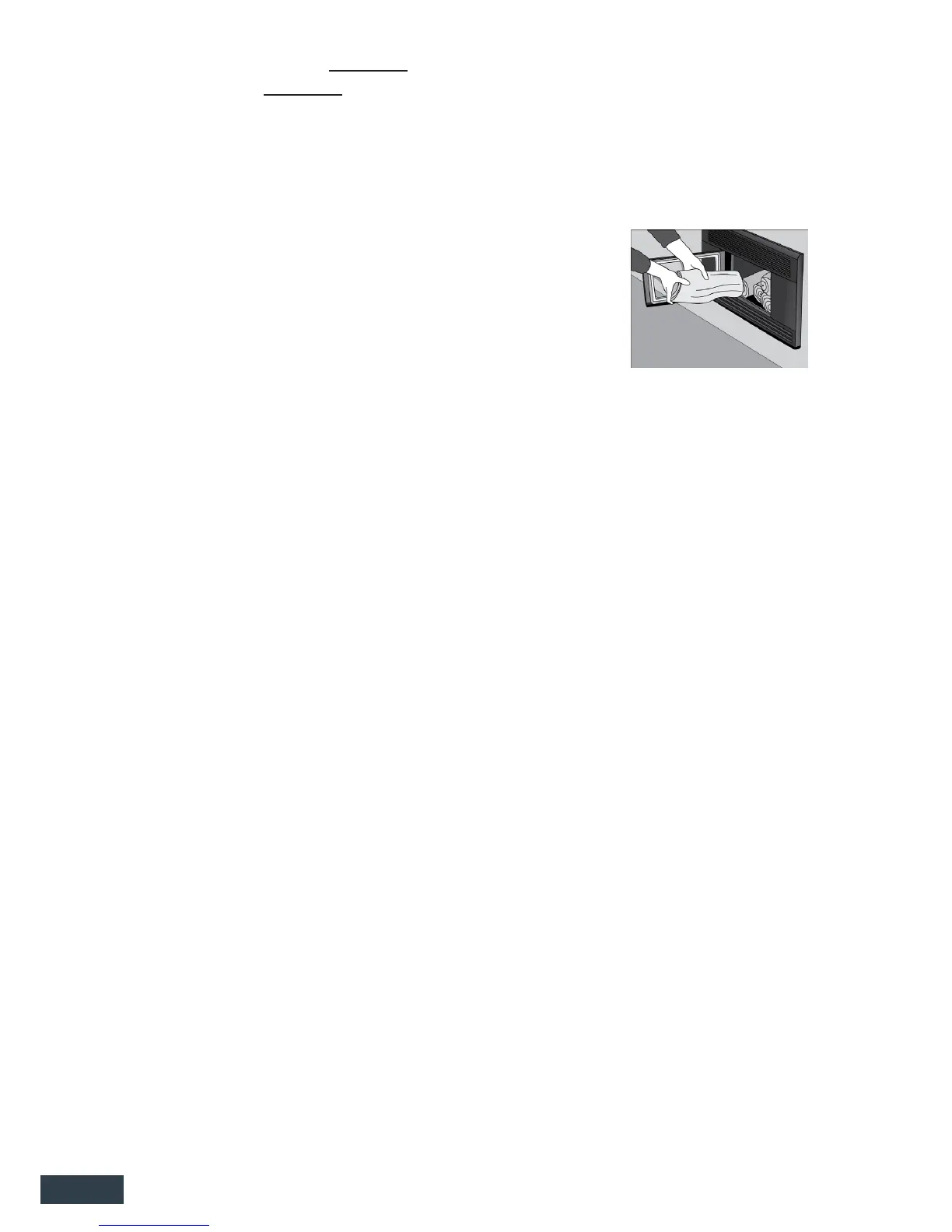
To reload the re, open the air control fully, and then open the door. Note that the re burns
hottest at the front of the rebox and so there may be unburnt wood at the back when it comes
time to reload. This is normal. Rake through the contents to move any unburnt wood forward
and then place the desired amount of wood into the rebox. Close the door.
The view of the ame through the glass door will give you the best indication of how your wood
re is performing. In order to accomplish maximum combustion performance, the re should
give a rolling, boiling ame pattern. At reduced setting the ame will be slower. For all practical
purposes, the air control should be fully open when there is unburnt wood in the wood re. Fire
holding periods may be increased by turning down the air control, this is generally at the cost
of greater emissions and creosote production. At low settings, creosote may condense on the
glass, reducing the visibility of the re. The best indication that the re is operating correctly is
that the glass remains clean, without build-up of black or brown deposits. Some whitish bloom
on the glass is normal and does not generally indicate a fault in operation.
The way you burn your wood re will also determine what is happening up the ue. Continued
burning at high rates with a good clean ame will minimise smoke emission and soot and
creosote deposits in the ue.
10


 To Next Page
 Loading...