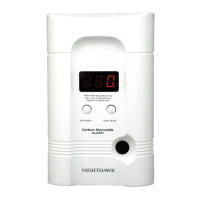
What is Carbon Monoxide?
Carbon monoxide (CO) is an odourless, colourless, poisonous gas
created when any fuel is burned – petrol, propane, natural gas, oil,
wood, coal, and even tobacco. When combustion air is limited, more
CO is produced. Serious problems can develop when combustion by-
products are not properly vented outside the house.
You’ve probably heard about carbon monoxide poisoning in the news
recently. It’s a problem receiving more attention because groups like
Carbon Monoxide Support and the Gas Consumers Association have
made it a priority to warn the public about the dangers of this deadly
household poison.
What are the Effects of CO Exposure?
When you breathe carbon monoxide, it enters your bloodstream
through your lungs and attaches to red blood cells. These red blood
cells, called haemoglobin, carry oxygen throughout your body.
Carbon monoxide molecules attach to the red blood cells 200 times
faster than oxygen, preventing the flow of oxygen to your heart, brain
and vital organs. As carbon monoxide accumulates in your
bloodstream, your body becomes starved for oxygen. The amount of
carbon monoxide in a person’s body can be measured by a simple
blood test, called a “carboxyhaemoglobin level” test .
The early symptoms of carbon monoxide poisoning are often
mistaken for the flu – headache, dizziness, weakness, nausea,
vomiting, sleepiness, and confusion.
Breathing very high concentrations of carbon monoxide can be lethal
in minutes. Breathing low concentrations over time is dangerous, too.
Long term exposure to low levels can cause permanent heart and
brain damage.
Could Y
our Family be at Risk for CO Poisoning?
Accor
ding to Dr Henry of The National Poisons Unit, carbon
monoxide is the number one cause of deaths in the UK. At least 50
people die each year and over 200 are affected by exposure to this
deadly gas.
While anyone is susceptible, experts agr
ee that unbor
n babies, small
childr
en, senior citizens and people with heart or r
espiratory pr
oblems
are especially vulnerable to CO and are at the greatest risk for death
or serious injury.
2-1
Part Two – Carbon Monoxide -
The Silent Killer
How to Care for Your CO Alarm
To keep your CO alarm in good working order, you must follow
these simple steps:
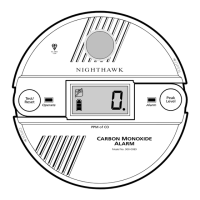
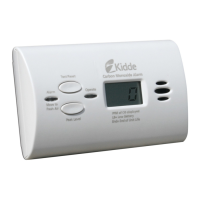
•Test the CO alarm once a week by pressing the Test/Reset button
•Vacuum the alarm cover once a month to remove accumulated
dust. Use the soft brush attachment of your vacuum cleaner, and
unplug the CO alar
m from the electrical outlet before vacuuming.
•Instruct children never to touch, unplug or otherwise interfere
with the unit. Warn children of the dangers of CO poisoning.
•Never use detergents or solvents to clean the CO alarm. Chemicals
can permanently damage or temporarily contaminate the sensor.
•Avoid spraying air fresheners, hairspray, paint or other aerosols
near the CO alarm.
•Do not paint the CO alarm. Paint will seal the vents and interfere
with proper sensor operation.
•Do not mount the CO alarm directly above or near a nappy
bucket, as high amounts of methane gas can cause temporary
readings on the digital display.
Note: If you will be staining or stripping wood floors or furniture,
painting, wall-papering, or using aerosols or adhesives for a do-it-
yourself project or hobby, before you begin: Remove the CO alarm
to a remote location to prevent possible damage to or
contamination of the sensor. You may wish to unplug the CO alarm
and store in a plastic bag during the project.
The following is a list of substances that at high levels can affect the
sensor and cause temporary r
eadings on the digital display that ar
e not
carbon monoxide readings:
Methane, propane, iso-butane, ethylene, ethanol, alcohol,
iso-propanol, benzene, toluene, ethyl acetate, hydrogen,
hydrogen sulphide, sulphur dioxides.
Also most aerosol sprays, alcohol based products, paints,
thinners, solvents, adhesives, hairsprays, aftershaves, perfumes,
car exhaust (cold start) and some cleaning agents.
1-11
Part One – Your Nighthawk CO Alarm
WHAT YOU SHOULD DO:
WHAT YOU SHOULD NOT DO:



 To Next Page