This document provides assembly instructions for the HomePop K2380 ottoman, a product from the Kinfine brand. The manual outlines a straightforward assembly process, emphasizing ease of setup and offering support for missing or damaged parts.
Function Description:
The HomePop K2380 is an ottoman, a versatile piece of furniture typically used for resting feet, providing extra seating, or serving as a small table. Its design suggests a square or rectangular shape with four legs, featuring a tufted or paneled top surface, likely upholstered for comfort and aesthetic appeal. The primary function is to enhance comfort and utility in a living space, offering a soft surface for relaxation or an additional functional surface.
Important Technical Specifications:
- Style Number: K2380
- Brand: HomePop (a Kinfine brand)
- Components:
- Box (main body of the ottoman): 1 unit
- Legs: 4 units
- Hardware:
- Screw Flat head 35mm (Type A): 4 units
- Assembly Tools: A Philips head screwdriver is required for assembly. The manual also states "OK to Assemble with power Tools," indicating that power tools can be used for faster assembly, though a manual screwdriver is sufficient.
Usage Features:
The ottoman is designed for simple, user-friendly assembly. The "before you begin" section highlights several usage features:
- Ease of Assembly: The manual assures the user that assembly will be "easy" and provides "simple instructions" to guide the process. This suggests a design that minimizes complexity and the need for specialized skills or tools.
- Versatility: While not explicitly stated, ottomans like the K2380 are inherently versatile. They can be placed in living rooms, bedrooms, or entryways to serve various purposes such as a footrest, extra seating, or a decorative accent.
- Aesthetic Integration: The visual representation of the ottoman shows a clean, modern design with a segmented top, suggesting it is intended to blend well with contemporary home decor. The upholstered finish implies a comfortable and inviting presence in a room.
- Support for Missing Parts: Kinfine offers customer support for damaged or missing parts, indicating a commitment to product usability and customer satisfaction. Customers can contact them via email (service@kinfine.com) or phone (1-888-626-0888). This feature ensures that users can complete the assembly even if components are missing or damaged upon arrival.
Maintenance Features:
While the manual does not explicitly detail maintenance instructions, the nature of the product (an upholstered ottoman) implies standard furniture care:
- Surface Cleaning: Upholstered surfaces typically require regular dusting or vacuuming to remove debris. Spot cleaning with appropriate fabric cleaners would likely be recommended for spills or stains, depending on the upholstery material.
- Structural Integrity: The use of screws for attaching the legs suggests that periodic checks of the screws for tightness might be beneficial to maintain the ottoman's stability over time. The assembly step specifically instructs to "tighten all the screws," which is a foundational step for long-term stability.
- Durability: The Kinfine brand's emphasis on "hard work" in product design and the provision of support for parts suggest an expectation of reasonable product durability, assuming proper assembly and normal use.
Assembly Process Overview:
The assembly process is described in a single step:
- Attach Legs: The four legs (Item 2) are to be attached to the main body of the ottoman (Item 1) using the four 35mm flat head screws (Type A). The diagram clearly shows the legs being screwed into the underside corners of the ottoman.
- Tighten Screws: The instruction emphasizes using a Philips head screwdriver to "tighten all the screws," ensuring a secure and stable attachment of the legs. The manual explicitly states that power tools are acceptable for this step, offering flexibility to the assembler.
The manual is structured to be user-friendly, starting with a congratulatory message, followed by a "before you begin" section with crucial tips, a table of contents, and then detailed hardware and parts lists before diving into the single assembly step. This logical flow aims to make the assembly experience as smooth as possible for the customer.

 Need help?
 General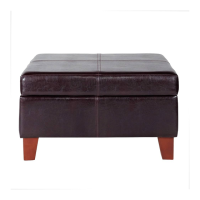

 To Next Page