EasyManua.ls Logo

Kohler Command PRO ECH730 - User Manual

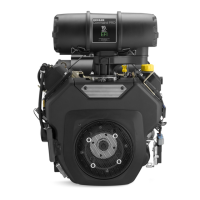
Kohler Command PRO ECH730
154 pages
Print Icon
To Next Page IconTo Next Page
Loading...
SERVICE MANUAL
ECH630-ECH749
HORIZONTAL CRANKSHAFT

Questions and Answers

  • A
    Andrew JosephAug 22, 2025
    Why won't my Kohler Crankshaft engine crank?
    • A
      Angela ReedAug 23, 2025
      If your Kohler Crankshaft engine won't crank, begin by ensuring the PTO drive is disengaged. A discharged battery is a common culprit; charge or replace it. Also, check if the safety interlock switch is engaged and disengage it. Loose or faulty wires or connections can prevent cranking; secure them. Other potential causes include a faulty key switch or ignition switch (replace if faulty), a faulty electric starter or solenoid (replace if faulty), or seized internal engine components (inspect and repair). A blown fuse, a faulty electronic control unit, or insufficient voltage to the electronic control unit can also prevent the engine from cranking; address these issues as necessary.
  • M
    Marvin HaynesAug 28, 2025
    What causes a Kohler Crankshaft engine to lose power?
    • D
      douglasfuentesAug 28, 2025
      If your Kohler Crankshaft engine is losing power, several factors could be contributing. Begin by checking the crankcase oil level; refill if low or drain if high. A dirty air cleaner element can restrict airflow; clean or replace it. Also, dirt or water in the fuel system can cause power loss; check and replace the fuel if necessary. Excessive engine load can also cause this issue; reduce the load. Other potential causes include an overheated engine (ensure proper cooling), faulty spark plugs (replace them), low compression (perform a compression test and repair), an exhaust restriction (clear any restrictions), a low battery (charge or replace it), or an incorrect governor setting (adjust the setting).
  • K
    ktranAug 30, 2025
    What should I do if my Kohler Command PRO ECH730 Crankshaft engine overheats?
    • E
      Eric HollowayAug 31, 2025
      If your Kohler Crankshaft engine is overheating, several factors could be the cause. Start by checking for clogged air intake/grass screens, cooling fins, oil cooler, or cooling shrouds; clean these components to ensure proper airflow. Excessive engine load can also cause overheating; reduce the load. Check the crankcase oil level; refill if low or drain if high. A lean air-fuel mixture can also contribute to overheating; adjust the air-fuel mixture to the proper levels.
  • R
    rstoutSep 2, 2025
    Why does my Kohler Command PRO ECH730 engine run but miss?
    • C
      Connie Wallace MDSep 2, 2025
      If your Kohler Crankshaft engine runs but misses, several factors could be responsible. Start by checking for dirt or water in the fuel system; check and replace the fuel as necessary. Ensure the spark plug lead is connected. Poor fuel quality can also cause missing; use proper fuel quality. Other potential causes include faulty spark plugs (replace them), loose wires or connections (secure them), an overheated engine (ensure proper cooling), a faulty ignition module (replace it), an incorrect crankshaft position sensor air gap (adjust it), or insufficient voltage to the electronic control unit (ensure proper voltage supply).
  • A
    amandaduranSep 5, 2025
    What causes a Kohler Command PRO ECH730 engine to knock?
    • K
      keithalexSep 5, 2025
      If your Kohler Crankshaft engine is knocking, several factors could be the cause. Excessive engine load can cause knocking; reduce the load. Check the crankcase oil level; refill if low. Old or improper fuel can also cause knocking; use fresh and appropriate fuel. Other potential causes include internal wear or damage (inspect and repair internal engine components), hydraulic lifter malfunction (repair or replace), improper fuel quality (use proper fuel quality), or an incorrect grade of oil (use the correct grade of oil).
  • K
    Kristen RobertsSep 8, 2025
    Why won't my Kohler Command PRO ECH730 Crankshaft engine idle properly?
    • E
      ecraigSep 8, 2025
      If your Kohler Crankshaft engine will not idle, several factors could be responsible. Start by checking for dirt or water in the fuel system; check and replace the fuel as necessary. Stale fuel or dirty fuel injectors can also cause idling issues; replace stale fuel or clean the fuel injectors. Other potential causes include faulty spark plugs (replace them), an inadequate fuel supply (ensure adequate fuel supply), low compression (perform a compression test and repair), a restricted fuel tank cap vent (clear the vent), or an overheated engine due to cooling system or air circulation problems (ensure proper cooling and air circulation).
  • S
    Scott DeleonSep 12, 2025
    What causes a Kohler Command PRO ECH730 Crankshaft engine to use excessive oil?
    • D
      Diane WoodsSep 12, 2025
      If your Kohler Crankshaft engine uses an excessive amount of oil, several factors could be contributing. First, check if you're using the incorrect oil viscosity or type and use the correct one. A clogged or improperly assembled breather can cause excessive oil consumption; clear or correctly assemble the breather. Other potential causes include a broken breather reed (replace it), worn or broken piston rings (replace them), a worn cylinder bore (repair or replace it), worn valve stems or valve guides (replace them), a crankcase overfilled (drain excess oil), or a blown head gasket or overheating (replace the head gasket).
  • G
    Gregory DiazSep 13, 2025
    Why is my Kohler Command PRO ECH730 engine leaking oil from the seals and gaskets?
    • M
      Mikayla CrawfordSep 13, 2025
      If your Kohler Crankshaft engine is leaking oil from the oil seals or gaskets, several factors could be the cause. A clogged or inoperative crankcase breather can cause oil leaks; clear or repair the breather. A broken breather reed can also cause leaks; replace the breather reed. Loose or improperly torqued fasteners can cause leaks; tighten fasteners to the correct torque specifications. Piston blowby or leaky valves can also cause this issue; repair or replace the piston or valves. Finally, a restricted exhaust can contribute to oil leaks; clear any exhaust restrictions.
  • E
    edwardsrobinNov 16, 2025
    How to fix a Kohler Crankshaft when it cranks but won't start?
    • D
      David GuzmanNov 16, 2025
      If your Kohler Crankshaft engine cranks but doesn't start, several factors could be at play. Start by checking the basics: ensure your fuel tank isn't empty and the fuel shut-off valve is open. Poor fuel quality, or dirt in the fuel system can also prevent starting, so check and replace the fuel if needed. Other potential causes include disconnected spark plug leads (reconnect them), a key or kill switch in the OFF position (set it to ON), or faulty spark plugs or ignition coils (replace if faulty). Also, a malfunctioning vacuum fuel pump or a leaking vacuum hose to the fuel pump could be the culprit; repair or replace these components as necessary. Moreover, verify that the battery is correctly connected, the safety interlock system is disengaged, and the fuse isn't blown. In some cases, ...
  • D
    Destiny RiveraNov 19, 2025
    What to do if my Kohler Crankshaft engine starts but immediately dies?
    • C
      cdavenportNov 19, 2025
      If your Kohler Crankshaft engine starts but doesn't keep running, there are several possible causes. A restricted fuel tank cap vent can cause this issue; clear the vent to resolve it. Poor fuel quality, or dirt in the fuel system can also cause the engine to stall; check and replace the fuel as needed. Check also the throttle controls, as they may be faulty or improperly adjusted; adjust or replace them. Inspect for loose wires or connections and secure them. Other potential causes include a faulty cylinder head gasket (replace it), a malfunctioning vacuum fuel pump or a leaking vacuum hose to the fuel pump (repair or replace these components), or an intake system leak (repair the leak). Additionally, faulty ignition coils, a blown fuse, or insufficient voltage to the electronic control u...

Summary

Safety and General Information

Safety Precautions

Essential safety guidelines and warnings for engine operation and maintenance.

Engine Identification Numbers

Explanation of engine model, specification, and serial number identification.

Oil Recommendations

Guidance on selecting the correct oil type and viscosity for engine lubrication.

Fuel Recommendations

Guidelines for using appropriate gasoline types, blends, and storage.

Periodic Maintenance Instructions

Schedule and overview of regular maintenance tasks for the engine.

General Specifications

Key technical data including power, bore, stroke, displacement, and weight.

General Torque Values

Recommendations for tightening metric fasteners based on property class.

Tools & Aids

Tools

List of specialized tools required for engine service and their sources.

Aids

List of approved lubricants, sealants, and other service aids.

Special Tools You Can Make

Instructions for fabricating specific tools for engine maintenance.

Troubleshooting

Troubleshooting Guide

Categorized list of common engine problems and potential causes.

Engine Cranks But Will Not Start

Diagnosing issues when the engine attempts to crank but fails to start.

Engine Overheats

Identifying causes and solutions for engine overheating problems.

Crankcase Vacuum Test

Procedure for testing crankcase vacuum and diagnosing related issues.

Cylinder Leakdown Test

Method for testing cylinder integrity and diagnosing valve or ring issues.

Air Cleaner and Air Intake System

Heavy-Duty Air Cleaner

Description, service, and removal procedures for the heavy-duty air cleaner.

Low-Profile Air Cleaner (Optional)

Description and service for the optional low-profile air cleaner.

Air Intake;Cooling System

Ensuring proper engine cooling by maintaining clean air intake and fins.

Electronic Fuel Injection (EFI) System

EFI Fuel System Components

Overview of the main components within the EFI system.

Operation

Explanation of how the EFI system manages fuel and ignition for optimal performance.

Electronic Control Unit (ECU)

Description, function, and service notes for the engine control unit.

Crankshaft Position Sensor

Function, service, and testing of the crankshaft position sensor.

Throttle Position Sensor (TPS)

Role, service, and testing of the throttle position sensor.

ECU Reset and TPS Learn Procedure

Procedure for resetting the ECU and relearning TPS values.

Fault Codes

Guide to reading and interpreting diagnostic fault codes for the EFI system.

Lubrication System

Oil Recommendations

Guidance on selecting the correct oil type and viscosity for engine lubrication.

Check Oil Level

Procedure for checking and maintaining the proper engine oil level.

Changing Oil and Oil Filter

Steps for performing routine oil and oil filter changes.

Oil Sentry

Description and function of the optional low oil pressure switch.

Electrical System and Components

Spark Plugs

Information on spark plug types, gap, service, and inspection.

Battery

Battery recommendations, maintenance, and testing procedures.

Battery Charging System

Overview of the charging system and guidelines to avoid damage.

Rectifier-Regulator

Testing procedure for the rectifier-regulator component.

Electric Starting Motors

Precautions, removal, and installation of electric starting motors.

Solenoid Test Procedure

Detailed tests for the starter solenoid's pull-in and hold-in coil functions.

Disassembly

General

Instructions for cleaning parts and removing residual cleaners.

Typical Disassembly Sequence

A suggested order for disassembling engine components.

Drain Oil from Crankcase and Remove Oil Filter

Procedure for draining engine oil and removing the oil filter.

Remove Air Cleaner Assembly

Steps for removing both heavy-duty and low-profile air cleaner assemblies.

Remove Throttle Body

Procedure for disconnecting and removing the throttle body.

Remove Fuel Injectors

Steps for disconnecting and removing the fuel injectors.

Remove Cylinder Heads and Hydraulic Lifters

Procedure for removing cylinder heads and associated components.

Remove Fan and Flywheel

Steps for removing the fan and flywheel from the crankshaft.

Remove Closure Plate Assembly

Procedure for removing the closure plate assembly from the crankcase.

Remove Connecting Rods with Pistons and Rings

Procedure for removing connecting rods, pistons, and rings.

Remove Crankshaft

Procedure for carefully removing the crankshaft from the crankcase.

Inspection and Reconditioning

Camshaft

Inspection procedures for the camshaft and its gear.

Crankshaft

Inspection of crankshaft gear teeth, bearing surfaces, and keyways.

Crankcase

Inspection of gasket surfaces and cylinder bore for wear or damage.

Honing

Procedure for honing cylinder bores to proper size and finish.

Cylinder Head and Valves

Inspection of cylinder head flatness and valve mechanism parts.

Pistons and Rings

Inspection of pistons and rings for damage, wear, and proper fit.

Reassembly

General

Notes on using specified torques, clearances, and fresh sealants.

Typical Reassembly Sequence

A suggested order for reassembling engine components.

Install Crankshaft

Procedure for lubricating and installing the crankshaft.

Install Connecting Rods with Pistons and Rings

Steps for installing piston assemblies into cylinder bores.

Install Camshaft

Procedure for lubricating and installing the camshaft.

Thrust Bearing, Washer and Shim

Correct sequence for installing crankshaft end play components.

Install Stator and Backing Plate

Procedure for installing the stator and backing plate.

Install Flywheel

Procedure for installing the flywheel onto the crankshaft.

Install Hydraulic Lifters and Cylinder Heads

Steps for installing hydraulic lifters and cylinder heads.

Assemble Cylinder Heads

Procedure for assembling valves, springs, and retainers into cylinder heads.

Install Push Rods and Rocker Arms

Procedure for installing push rods and rocker arms.

Install Spark Plugs

Procedure for installing and torquing spark plugs.

Install Intake Manifold

Procedure for installing the intake manifold with gaskets.

Install Fuel Injectors

Procedure for installing fuel injectors and their retaining clips.

Install Crankshaft Position Sensor

Procedure for installing the crankshaft position sensor and bracket.

Install Valve Covers

Procedure for installing valve covers with new gaskets and O-rings.

Install Blower Housing and Outer Baffles

Procedure for installing blower housing and outer baffles.

Prepare the Engine for Operation

Final checks and adjustments before starting the engine.

Testing the Engine

Recommended procedures for testing the engine on a stand.

Kohler Command PRO ECH730 Specifications

General IconGeneral
Fuel SystemCarburetor
Cooling SystemAir-cooled
Compression Ratio8.5:1
Ignition SystemElectronic
Governor TypeMechanical
Crankshaft TypeForged Steel
Crankshaft OrientationHorizontal
Displacement725 cc
Starting SystemElectric
StarterElectric
Engine Type4-Cycle, Gasoline, OHV, Twin Cylinder
Oil Capacity2.0 U.S. quarts (1.9 liters)
Shaft TypeKeyed
Lubrication SystemFull Pressure
Crankshaft Diameter1-1/8 inch

Related product manuals