EasyManua.ls Logo

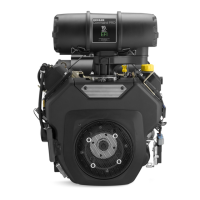
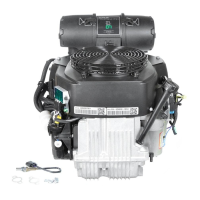
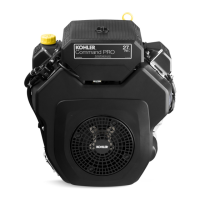
Kohler Command PRO ECH740 - User Manual

Kohler Command PRO ECH740
154 pages
Print Icon
To Next Page IconTo Next Page
Loading...
SERVICE MANUAL
ECH630-ECH749
HORIZONTAL CRANKSHAFT

Questions and Answers

  • G
    Gary ConleyAug 22, 2025
    Why won't my Kohler Command PRO ECH740 engine crank?
    • G
      Gregory YoungAug 22, 2025
      If your Kohler Crankshaft engine won't crank, begin by ensuring the PTO drive is disengaged. A discharged battery is a common culprit; charge or replace it. Also, check if the safety interlock switch is engaged and disengage it. Loose or faulty wires or connections can prevent cranking; secure them. Other potential causes include a faulty key switch or ignition switch (replace if faulty), a faulty electric starter or solenoid (replace if faulty), or seized internal engine components (inspect and repair). A blown fuse, a faulty electronic control unit, or insufficient voltage to the electronic control unit can also prevent the engine from cranking; address these issues as necessary.
  • T
    tdaviesAug 27, 2025
    What causes a Kohler Command PRO ECH740 engine to lose power?
    • M
      michellehendricksAug 27, 2025
      If your Kohler Crankshaft engine is losing power, several factors could be contributing. Begin by checking the crankcase oil level; refill if low or drain if high. A dirty air cleaner element can restrict airflow; clean or replace it. Also, dirt or water in the fuel system can cause power loss; check and replace the fuel if necessary. Excessive engine load can also cause this issue; reduce the load. Other potential causes include an overheated engine (ensure proper cooling), faulty spark plugs (replace them), low compression (perform a compression test and repair), an exhaust restriction (clear any restrictions), a low battery (charge or replace it), or an incorrect governor setting (adjust the setting).
  • L
    Lawrence WileyAug 30, 2025
    What should I do if my Kohler Crankshaft engine overheats?
    • J
      Joseph BryanAug 30, 2025
      If your Kohler Crankshaft engine is overheating, several factors could be the cause. Start by checking for clogged air intake/grass screens, cooling fins, oil cooler, or cooling shrouds; clean these components to ensure proper airflow. Excessive engine load can also cause overheating; reduce the load. Check the crankcase oil level; refill if low or drain if high. A lean air-fuel mixture can also contribute to overheating; adjust the air-fuel mixture to the proper levels.
  • N
    Noah WoodSep 2, 2025
    Why does my Kohler Crankshaft engine run but miss?
    • C
      Christopher BrowningSep 2, 2025
      If your Kohler Crankshaft engine runs but misses, several factors could be responsible. Start by checking for dirt or water in the fuel system; check and replace the fuel as necessary. Ensure the spark plug lead is connected. Poor fuel quality can also cause missing; use proper fuel quality. Other potential causes include faulty spark plugs (replace them), loose wires or connections (secure them), an overheated engine (ensure proper cooling), a faulty ignition module (replace it), an incorrect crankshaft position sensor air gap (adjust it), or insufficient voltage to the electronic control unit (ensure proper voltage supply).
  • L
    lewisrandySep 4, 2025
    What causes a Kohler Command PRO ECH740 engine to knock?
    • C
      Cesar WillisSep 4, 2025
      If your Kohler Crankshaft engine is knocking, several factors could be the cause. Excessive engine load can cause knocking; reduce the load. Check the crankcase oil level; refill if low. Old or improper fuel can also cause knocking; use fresh and appropriate fuel. Other potential causes include internal wear or damage (inspect and repair internal engine components), hydraulic lifter malfunction (repair or replace), improper fuel quality (use proper fuel quality), or an incorrect grade of oil (use the correct grade of oil).
  • D
    Dr. Ricky CruzSep 7, 2025
    Why won't my Kohler Crankshaft engine idle properly?
    • A
      Andrew CarterSep 7, 2025
      If your Kohler Crankshaft engine will not idle, several factors could be responsible. Start by checking for dirt or water in the fuel system; check and replace the fuel as necessary. Stale fuel or dirty fuel injectors can also cause idling issues; replace stale fuel or clean the fuel injectors. Other potential causes include faulty spark plugs (replace them), an inadequate fuel supply (ensure adequate fuel supply), low compression (perform a compression test and repair), a restricted fuel tank cap vent (clear the vent), or an overheated engine due to cooling system or air circulation problems (ensure proper cooling and air circulation).
  • M
    Mrs. Sandra MeltonSep 10, 2025
    What causes a Kohler Crankshaft engine to use excessive oil?
    • H
      Harold CunninghamSep 10, 2025
      If your Kohler Crankshaft engine uses an excessive amount of oil, several factors could be contributing. First, check if you're using the incorrect oil viscosity or type and use the correct one. A clogged or improperly assembled breather can cause excessive oil consumption; clear or correctly assemble the breather. Other potential causes include a broken breather reed (replace it), worn or broken piston rings (replace them), a worn cylinder bore (repair or replace it), worn valve stems or valve guides (replace them), a crankcase overfilled (drain excess oil), or a blown head gasket or overheating (replace the head gasket).
  • J
    Justin SheppardSep 13, 2025
    Why is my Kohler Command PRO ECH740 engine leaking oil from the seals and gaskets?
    • J
      Jeremy JeffersonSep 13, 2025
      If your Kohler Crankshaft engine is leaking oil from the oil seals or gaskets, several factors could be the cause. A clogged or inoperative crankcase breather can cause oil leaks; clear or repair the breather. A broken breather reed can also cause leaks; replace the breather reed. Loose or improperly torqued fasteners can cause leaks; tighten fasteners to the correct torque specifications. Piston blowby or leaky valves can also cause this issue; repair or replace the piston or valves. Finally, a restricted exhaust can contribute to oil leaks; clear any exhaust restrictions.
  • W
    William BradyNov 15, 2025
    How to fix a Kohler Crankshaft when it cranks but won't start?
    • H
      Heather FrankNov 16, 2025
      If your Kohler Crankshaft engine cranks but doesn't start, several factors could be at play. Start by checking the basics: ensure your fuel tank isn't empty and the fuel shut-off valve is open. Poor fuel quality, or dirt in the fuel system can also prevent starting, so check and replace the fuel if needed. Other potential causes include disconnected spark plug leads (reconnect them), a key or kill switch in the OFF position (set it to ON), or faulty spark plugs or ignition coils (replace if faulty). Also, a malfunctioning vacuum fuel pump or a leaking vacuum hose to the fuel pump could be the culprit; repair or replace these components as necessary. Moreover, verify that the battery is correctly connected, the safety interlock system is disengaged, and the fuse isn't blown. In some cases, ...
  • W
    Wendy BrownNov 18, 2025
    What to do if my Kohler Crankshaft engine starts but immediately dies?
    • R
      ryan90Nov 19, 2025
      If your Kohler Crankshaft engine starts but doesn't keep running, there are several possible causes. A restricted fuel tank cap vent can cause this issue; clear the vent to resolve it. Poor fuel quality, or dirt in the fuel system can also cause the engine to stall; check and replace the fuel as needed. Check also the throttle controls, as they may be faulty or improperly adjusted; adjust or replace them. Inspect for loose wires or connections and secure them. Other potential causes include a faulty cylinder head gasket (replace it), a malfunctioning vacuum fuel pump or a leaking vacuum hose to the fuel pump (repair or replace these components), or an intake system leak (repair the leak). Additionally, faulty ignition coils, a blown fuse, or insufficient voltage to the electronic control u...

Summary

Section 1 Safety and General Information

Safety Precautions

General safety guidelines for operating and maintaining the engine, including warnings and cautions.

Explosive Fuel!

Highlights the flammability of gasoline and precautions for handling and storage.

Lethal Exhaust Gases!

Details the dangers of carbon monoxide from exhaust fumes and safe operating practices.

Electrical Shock!

Warns about the risk of electrical shock from engine components while running.

High Pressure Fluid Puncture!

Caution regarding injuries from high-pressure fluid leaks in the fuel system.

Engine Identification Numbers

Explains how to locate and identify engine model and serial numbers.

Oil Recommendations

Specifies the correct oil type, viscosity, and API service class for engine lubrication.

Oil Type

Provides guidance on selecting the appropriate oil viscosity based on temperature.

Periodic Maintenance Instructions

Outlines routine maintenance tasks and their recommended frequencies.

Maintenance Schedule

Lists scheduled maintenance intervals for various engine components.

Storage

Provides instructions for proper engine storage procedures to prevent damage.

Section 2 Tools & Aids

Tools

Lists essential tools and their part numbers required for engine service.

Aids

Lists necessary aids, lubricants, and sealants for engine maintenance.

Special Tools You Can Make

Provides instructions for creating custom tools for specific engine service tasks.

Section 3 Troubleshooting

Troubleshooting Guide

A systematic guide to diagnosing common engine problems and their potential causes.

Engine Cranks But Will Not Start

Lists common causes and checks for an engine that cranks but fails to start.

Engine Starts Hard

Identifies potential issues when an engine is difficult to start.

Engine Overheats

Details common causes and checks for an engine that is overheating.

Crankcase Vacuum Test

Explains how to perform a crankcase vacuum test to diagnose engine issues.

Cylinder Leakdown Test

Describes the procedure for cylinder leakdown testing to assess component wear.

Section 4 Air Cleaner and Air Intake System

Heavy-Duty Air Cleaner

Details the components, service, and removal of the heavy-duty air cleaner system.

Low-Profile Air Cleaner (Optional)

Describes the optional low-profile air cleaner, its service, and components.

Air Intake;Cooling System

Ensures proper engine cooling by maintaining clean external surfaces and fins.

Section 5 Electronic Fuel Injection (EFI) System

EFI Fuel System Components

Lists and describes the principal components of the Electronic Fuel Injection system.

Operation

Explains how the EFI system manages fuel and ignition for optimal performance.

Electrical Components

Covers critical electrical components like ECU, sensors, and wiring harness.

Troubleshooting

Provides guidance for diagnosing and resolving EFI system issues.

Crankshaft Position Sensor

Details the function, service, and testing of the crankshaft position sensor.

Throttle Position Sensor (TPS)

Explains the TPS function, testing, and replacement procedure for EFI system operation.

ECU Reset and TPS Learn Procedure

Outlines the steps for resetting the ECU and performing the TPS learn procedure.

Oxygen Sensor

Describes the oxygen sensor's function, testing, and troubleshooting for EFI system tuning.

Fuel Injectors

Explains fuel injector operation, testing for electrical issues, dirt, or leakage.

Fuel Pump

Covers the electric fuel pump module and lift pump, including testing and replacement.

Throttle Body;Intake Manifold Assembly

Describes the throttle body's function and service, including idle speed adjustment.

Initial Governor Adjustment

Highlights the critical nature of governor adjustment for EFI engine performance.

Fault Codes

Lists and explains diagnostic fault codes generated by the EFI system.

Section 6 Lubrication System

Oil Recommendations

Specifies the correct oil type, viscosity, and API service class for engine lubrication.

Check Oil Level

Details the procedure for checking and maintaining the proper engine oil level.

Changing Oil and Oil Filter

Provides instructions for performing regular oil and oil filter changes.

Section 7 Electrical System and Components

Spark Plugs

Covers spark plug types, gap specifications, service, and inspection criteria.

Battery

Provides recommendations for battery size, maintenance, and testing procedures.

Battery Charging System

Explains the 20/25 amp regulated charging system and guidelines to avoid damage.

Electric Starting Motors

Covers starting motor operation, precautions, and removal/installation.

Solenoid Test Procedure

Provides detailed tests for the starter solenoid's pull-in coil and hold-in coil functions.

Section 8 Disassembly

Typical Disassembly Sequence

Suggests a systematic sequence for complete engine disassembly.

Shut Off Fuel Supply

Essential safety step to shut off fuel supply before proceeding with disassembly.

Drain Oil from Crankcase and Remove Oil Filter

Instructions for draining engine oil and removing the oil filter.

Remove Lift Fuel Pump and Fuel Pump Module

Steps for disconnecting and removing the lift fuel pump and fuel pump module.

Remove Throttle Body

Procedure for disconnecting sensors and removing the throttle body assembly.

Remove Fuel Injectors

Details the process for disconnecting electrical connectors and removing fuel injectors.

Remove Cylinder Heads and Hydraulic Lifters

Instructions for removing cylinder heads, push rods, and hydraulic lifters.

Remove Fan and Flywheel

Steps for safely removing the fan and flywheel from the crankshaft.

Remove Closure Plate Assembly

Procedure for removing the closure plate assembly from the crankcase.

Remove Camshaft

Instructions for removing the camshaft from the engine.

Remove Connecting Rods with Pistons and Rings

Steps for removing connecting rods, pistons, and rings from the cylinder bores.

Remove Crankshaft

Procedure for carefully removing the crankshaft from the crankcase.

Section 9 Inspection and Reconditioning

Camshaft

Inspection and service procedures for the camshaft, including gear teeth and lobe wear.

Crankshaft

Inspection and service for crankshaft gear teeth, bearing surfaces, and keyways.

Crankcase

Inspection of gasket surfaces and cylinder bore for wear or damage.

Pistons and Rings

Inspection of pistons and rings for damage such as scoring, sticking, or detonation.

Connecting Rods

Inspection of connecting rod bearing areas for wear and clearance.

Section 10 Reassembly

Typical Reassembly Sequence

Provides a suggested order for reassembling engine components after service.

Install Crankshaft

Instructions for lubricating and installing the crankshaft into the crankcase.

Install Connecting Rods with Pistons and Rings

Steps for installing piston assemblies, including ring staggering and lubrication.

Install Camshaft

Procedure for lubricating and installing the camshaft with timing marks aligned.

Thrust Bearing, Washer and Shim

Details the installation and adjustment of crankshaft end play components.

Install Closure Plate Assembly

Instructions for installing the closure plate assembly with sealant and checking end play.

Install Flywheel

Procedure for cleaning, aligning, and installing the flywheel onto the crankshaft.

Install Hydraulic Lifters and Cylinder Heads

Steps for installing hydraulic lifters and cylinder heads, ensuring proper alignment.

Install Push Rods and Rocker Arms

Procedure for installing push rods and rocker arms, ensuring correct positioning and lubrication.

Install Spark Plugs

Instructions for installing new spark plugs and torquing them to specification.

Install Intake Manifold

Steps for installing the intake manifold with new gaskets and torquing fasteners correctly.

Install Fuel Injectors

Procedure for installing fuel injectors, ensuring proper O-ring lubrication and retaining clip use.

Install Throttle Body

Instructions for installing the throttle body assembly, including sensors and linkage.

Install Lift Fuel Pump and Fuel Pump Module

Steps for installing the lift fuel pump and fuel pump module with associated lines.

Setting Initial Governor Adjustment

Critical procedure for setting the governor to ensure proper engine speed control.

Install Oil Filter and Fill Crankcase with Oil

Procedure for installing the oil filter, filling the crankcase with oil, and checking the level.

Prepare the Engine for Operation

Final checks before starting the engine, including tightening hardware and checking fluid levels.

Testing the Engine

Recommends operating the engine on a test stand to check for leaks and proper function.

Kohler Command PRO ECH740 Specifications

General IconGeneral
Fuel SystemCarburetor
Cooling SystemAir-cooled
Compression Ratio8.5:1
StarterElectric
IgnitionElectronic
Fuel TypeGasoline
Max RPM3600 RPM
Governor TypeMechanical
Lubrication SystemFull Pressure
Crankshaft TypeForged Steel
Crankshaft OrientationHorizontal
Engine Type4-cycle, OHV

Related product manuals