This document serves as a user manual for a commercial gas range, providing essential information for its safe and efficient operation, maintenance, and troubleshooting. It is designed for professional use in the food industry, emphasizing safety precautions, installation guidelines, and routine inspection procedures.
Functional Introduction
The commercial gas range, manufactured by KoolMore, is designed to combine optimal features from both domestic and international markets. It boasts a novel design, a robust and reasonable structure, and is engineered for ease of operation, durability, and convenient maintenance. This makes it an ideal piece of equipment for various applications within the food industry.
Usage Features
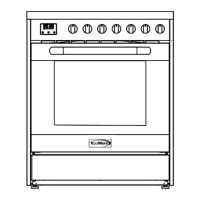
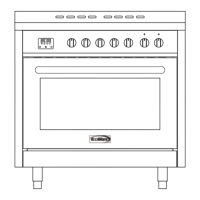
The gas range is equipped with several features that enhance its usability and performance. The exterior finish, bracket, and adjustable feet are all constructed from stainless steel, ensuring durability and ease of cleaning. The control panel is thoughtfully designed with knob control switches angled towards the operator, facilitating easy access and adjustment during use.
For cooking, the device incorporates cast-iron burners, each fitted with a safety valve and thermocouple. This safety mechanism is crucial: if a burner's flame accidentally extinguishes, the safety valve will immediately shut off the gas supply, preventing potential hazards. The burners are also equipped with a pilot flame standby function, allowing for quick and convenient ignition. The cooking surface includes black cast-iron furnace frameworks and a stainless-steel slag collector, which aids in maintaining cleanliness and managing cooking by-products.
The oven component of the gas range offers adjustable temperatures ranging from 250°F to 550°F. Similar to the burners, the oven features a flame self-stability function, automatically shutting off the gas valve if the burner flame goes out. This enhances safety during prolonged cooking operations. The oven's enamel base plate is removable, designed to be highly radiant and heat-resistant, contributing to efficient and even cooking.
For griddle models, specific seasoning instructions are provided to ensure optimal cooking performance and a non-stick surface. The griddle plate, while made of steel, requires careful handling to prevent scoring or denting. The seasoning process involves cleaning, applying a thin layer of vegetable oil, heating until the oil smokes and the surface browns, cooling, and then scraping off excess residue. This process should be repeated multiple times to achieve a slick, hard finish that facilitates easy food release. Regular re-seasoning is recommended to maintain the griddle's non-stick properties, and abrasive cleaners or metal utensils should be avoided to prevent damage.
Operating the gas range involves a straightforward process. For the gas range burners, the gas valve is turned on, and the pilot flame is ignited with an igniter. A longer ignition duration (2-3 minutes) may be observed for first-time use or after extended periods of inactivity due to air in the new pipe. The burner is then lit by pressing and turning the corresponding valve knob counterclockwise. Flame intensity can be adjusted between MAX and MIN settings by rotating the knob. After use, the main burner is turned off by rotating the knob clockwise to its original position, and the quick-acting disconnecting valve should be closed if the appliance will not be used for an extended period.
For hot top and griddle top burners, the process is similar: connect the gas supply, ignite the pilot flame using a long lighter through the pilot holes, and then press and turn the valve knob counterclockwise to ignite the main burner. Flame adjustment is done by aligning the "Max" or "Min" indicator on the knob with the panel mark. Safety is paramount, so the quick-acting gas valve should be turned off if the device is not used for an extended period.
The oven requires initial cleaning to remove packing materials and films, using a non-corrosive detergent suitable for stainless steel. An unpleasant smell may occur during the first use due to the overheating of insulating material and oil residue; this can be eliminated by heating the oven to 550°F until the smell dissipates, without any food inside. Ignition may take longer initially due to air in the new pipe. The oven temperature is adjustable via a knob. To ignite, the lid under the door is opened, the knob is pressed down and rotated anticlockwise to align with the salient point, and the pilot flame is ignited through the ignition hole. The knob must be held for at least 20 seconds to heat the thermocouple. If the pilot flame goes out, the process should be repeated. The main burner is ignited by continuing to rotate the temperature control knob anticlockwise, setting the desired temperature between 250°F and 550°F. To turn off the burner, the knob is rotated clockwise to the strip mark and aligned with the salient point.
Maintenance Features
Regular cleaning and maintenance are crucial for ensuring the safe, efficient, and prolonged operation of the gas range. Before any cleaning or maintenance, it is imperative to turn off the device and close the gas valve upstream.
Cleaning Procedures:
- Burners and Trays: These components should be cleaned regularly to remove accumulated debris, which helps maintain optimal performance and prevents fire hazards.
- Stainless Steel Surfaces: The stainless steel exterior should be cleaned daily with warm, soapy water and thoroughly rinsed. It is important to avoid using a water cannon for direct spraying, as this can damage internal components. Abrasive detergents, brushes, or scrapers should not be used, and cleaning should follow the direction of the satin finish to prevent residual iron scale and rusting. Chlorine cleansers, bleach, or hydrochloric acid, even when diluted, are also prohibited as they can damage the surface.
- Floor and Motor/Electronic Devices: Corrosive substances like KCL should not be used to clean the floor where the device is located, as this can damage both the floor and the device. Similarly, conductive substances like KCL should be avoided when cleaning motor and electronic devices to prevent component damage.
- Burners and Baffle: Dirt on these parts should be cleaned regularly to ensure optimal performance.
- Food Swill and Iron Accumulation: To prevent the accumulation of iron substances, difficult-to-clean food swill should be removed with a stainless steel scraper or brush that does not contain iron, rather than a steel brush.
- Acidic Ingredients: Substances containing acidic ingredients such as vinegar, lemon juice, spices, or salt should be kept away from stainless steel accessories for prolonged periods to prevent surface damage from acidic vapor.
- Stains: Scrape and black stains on stainless steel surfaces can be removed using an artificial sponge, moving in the same direction as the polishing.
- Rust Removal: For rust, contact an industrial detergent manufacturer for a suitable product. After using rust removal products, rinse with clear water and, if necessary, neutralize any residual acidic chemical compounds with an alkaline detergent.
- Salt Residue: To prevent rusting, ensure all residual salt is cleared from both inside and outside the device.
- Fire Hole: After cleaning, verify that the burner's fire hole is clean and unblocked to prevent short-time incomplete combustion.
Routine Inspection:
Regular inspections are essential to ensure safe and efficient operation and prevent serious accidents. If any issues are noticed, the device should be stopped immediately and the problem addressed.
Before Each Use:
- Levelness: Check that the machine is level and not tilted.
- Oven Door Seals: Verify that the oven door seals properly and are undamaged.
- Knobs and Switches: Ensure all knobs and switches function correctly and are not loose or broken.
- Control Panel: Inspect the control panel for any signs of damage.
- Grease Tray: Ensure the grease tray is clean and empty to prevent overflow and potential fire hazards.
- Ventilation System: Confirm the ventilation system is unobstructed and functioning correctly.
- Flammable Materials: Check that no flammable materials or liquids are near the oven.
During Use:
- Irregularities: Be attentive to unusual smells, vibration noises, flickering or extinguishing burner flames, or abnormal power consumption/performance.
- Oven Temperature: Monitor the oven temperature to ensure it stays within the recommended range.
- Oven Light: Check that the oven light is working and the interior is visible.
- Unusual Noises: Be aware of rattling or humming sounds that could indicate a problem.
Regular Checks:
- Oven Interior: Clean the oven interior, including burners and trays, to prevent grease and debris buildup.
- Power Cord and Plug: Inspect for any signs of damage or wear.
- Ventilation System: Ensure it is unobstructed and functioning correctly.
- Oven Door Seals: Verify they are properly sealed and undamaged.
- Grease Tray: Regularly empty the grease tray to prevent spills and fire hazards.
General Maintenance:
- Drip Pan: Regularly empty the drip pan, especially for griddle products, to avoid overflow and fire risks.
- Extended Storage: If the device will not be used for an extended period, turn off the gas valve or power main switch, clean the stainless steel surface with a soft cloth, and store it in a well-ventilated warehouse free from corrosive gas.
- Professional Maintenance: A certified technician should perform regular maintenance on the oven to ensure correct and safe functioning.
- Recycling: 90% of the device is made of recyclable metals (stainless steel, iron, aluminum, galvanized metal sheets). When disposing of the device and its packaging, follow local environmental regulations and send them to specific collection sites. Do not litter.
Special Notices
Installation, first use, and maintenance should only be carried out by professional personnel. The appliance should be inspected for integrity upon receipt, and any concerns should be directed to a specialist. Packaging materials, especially plastic bags and nails, should be kept away from children. Initial ignition may take longer due to air in new pipes; if ignition fails, turn off the switch, wait 3 minutes, and try again to prevent deflagration. Only use gas suitable for the device, avoiding high-pressure or medium-pressure regulating valves. The device should not be left unattended during operation and must be turned off when not in use. This is a commercial machine for trained cooks, not for home use. It should not sway or tilt, nor should it be dismantled or modified. Avoid hitting it or placing heavy objects on it. Do not block the smoke vent. High temperatures can cause burns, so avoid touching the appliance with bare hands during or after operation. Do not spray water directly on the device. Clean stainless steel regularly to prevent oxidation. Do not damage the control panel. In case of malfunction, turn off the gas main valve and contact the manufacturer. Flammable objects should not be placed on the surface. After use, turn off the gas valve. If a gas leak is detected, turn off the gas valve, open windows for ventilation, and do not operate electrical switches; only reuse after professional repair.



 To Next Page
 General