EasyManua.ls Logo

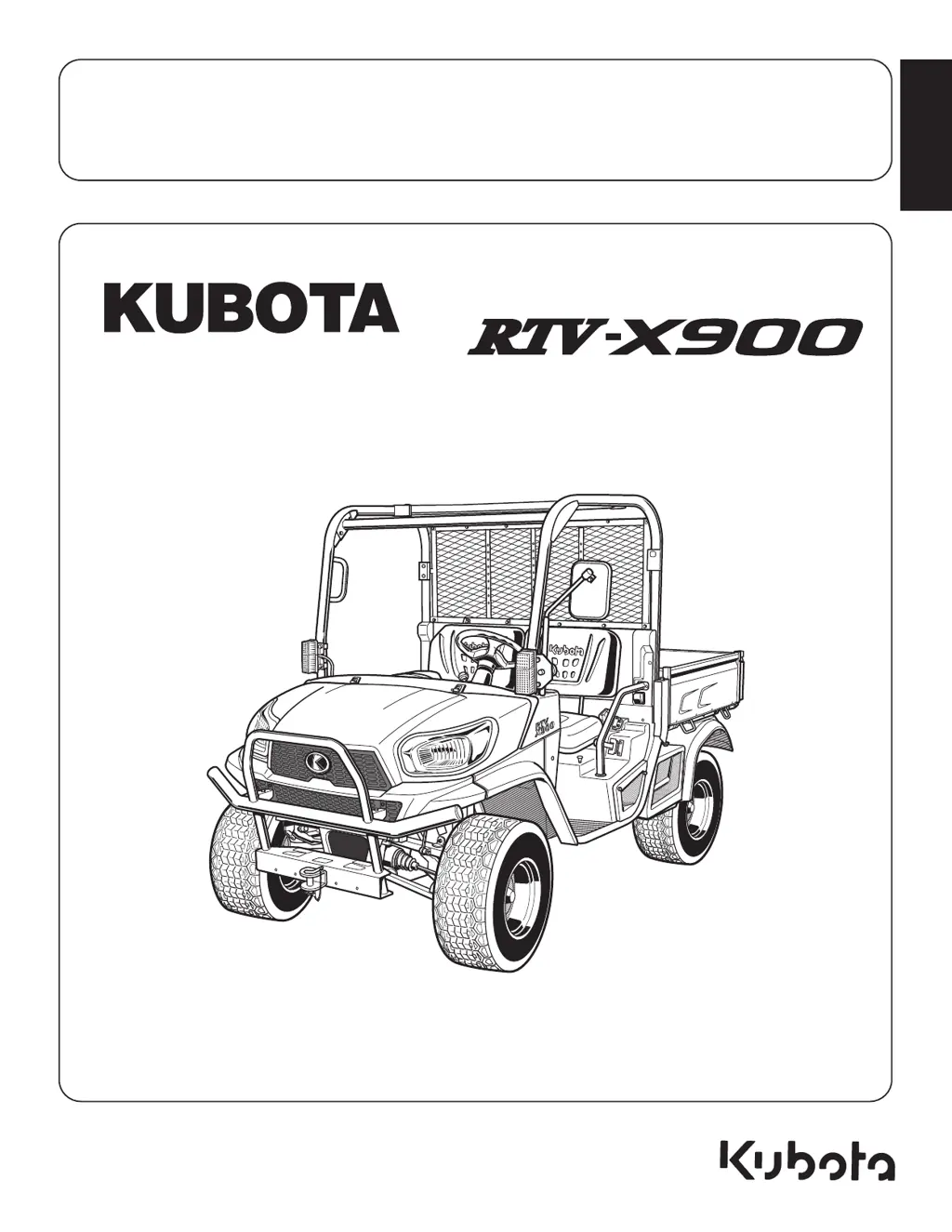
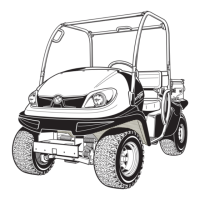
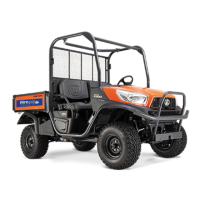
Kubota RTV-X900G - User Manual

Kubota RTV-X900G
126 pages
Print Icon
To Next Page IconTo Next Page
Loading...
ENGLISH
OPERATOR'S MANUAL
1AYAACUAP0450
UTILITY VEHICLE
READ AND SAVE THIS MANUAL
- Original instructions -
K7593-7135-2

Table of Contents

Questions and Answers

  • C
    Chris SmithAug 19, 2025
    What to do if my Kubota Utility Vehicle engine overheats?
    • J
      John CallahanAug 19, 2025
      If your Kubota Utility Vehicle engine overheats, several factors could be responsible. The engine might be overloaded, so shift to a lower gear or reduce the load. A low coolant level could also be the cause, so fill the cooling system to the correct level and inspect the radiator and hoses for leaks. Check if the motor-driven fan is functioning and ensure the fuse isn't blown, and inspect the electrical system. Remove any trash from a dirty radiator core or grille screens. Finally, flush the cooling system if the coolant flow route is corroded.
  • G
    Glenn RiceAug 21, 2025
    Why is the HST oil overheating in my Kubota RTV-X900G Utility Vehicle?
    • D
      davischristopherAug 21, 2025
      If the HST oil in your Kubota Utility Vehicle overheats, it could be due to several reasons. The HST might be overloaded, so reduce the load. Check for a low oil level and fill it to the correct level. Remove any trash from a dirty oil cooler core or screens. Inspect the oil cooling system if the oil flow route is corroded. Lastly, ensure the hydraulic lever is not positioned at the end of its stroke; set it to the "NEUTRAL" ("OFF") position.
  • E
    Elizabeth LopezAug 23, 2025
    How to troubleshoot a Kubota Utility Vehicle engine that is difficult to start?
    • J
      Jaime CardenasAug 23, 2025
      If your Kubota Utility Vehicle's engine is hard to start or refuses to start, several factors could be at play. First, check the fuel tank and fuel filter, replacing the filter if needed, to ensure adequate fuel flow. Air or water in the fuel system can also be a culprit; ensure the fuel line coupler bolt and nut are tight, and bleed the fuel system. In cold weather, use appropriate oil viscosities to combat increased oil viscosity. Weak batteries can hinder starting, so clean the battery cables and terminals, charge the battery, and consider storing the battery indoors in cold weather, installing it only when needed.
  • Y
    ymorganAug 26, 2025
    Why does my Kubota RTV-X900G Utility Vehicle have insufficient engine power?
    • A
      Aaron MilesAug 26, 2025
      If your Kubota Utility Vehicle has insufficient engine power, the issue might stem from insufficient or dirty fuel, so check the fuel system. Another potential cause is a clogged air cleaner. If the air cleaner is clogged, clean or replace the element.
  • E
    Erin EstesAug 27, 2025
    Why are the exhaust fumes from my Kubota RTV-X900G colored?
    • C
      Connor MillsAug 28, 2025
      Colored exhaust fumes from your Kubota Utility Vehicle indicate potential issues. Black smoke suggests poor fuel quality, too much oil, or a clogged air cleaner. Change the fuel and fuel filter, check the oil level, and clean or replace the air filter element. Blue-white smoke may indicate fuel in the exhaust muffler, injection nozzle trouble or poor fuel quality. Try heating the muffler by applying a load to the engine, check the injection nozzle, and change the fuel and fuel filter.
  • R
    Ryan PetersenAug 30, 2025
    What to do if my Kubota Utility Vehicle engine stops suddenly?
    • E
      Emily DickersonAug 30, 2025
      If your Kubota Utility Vehicle engine stops suddenly, it might be due to insufficient fuel. Refuel the vehicle and, if necessary, bleed the fuel system.
  • S
    Sara BennettSep 1, 2025
    Why is the Kubota RTV-X900G Utility Vehicle machine operation not smooth?
    • B
      Bruce MillerSep 1, 2025
      If your Kubota Utility Vehicle's operation isn't smooth, it could be due to insufficient hydrostatic transmission fluid, so replenish the oil. Also, a clogged filter can cause this issue, so replace the filter.
  • A
    Ashley RossSep 3, 2025
    Why does the starter not function on my Kubota Utility Vehicle?
    • M
      matthewsmithSep 3, 2025
      If the starter on your Kubota Utility Vehicle isn't functioning, it could be due to several reasons. The battery might be overused, so charge it sufficiently. Check for a poor terminal connection, and if found, clean the terminal and tighten it securely. It's also possible that the battery life has expired, so replace the battery if needed.
  • P
    Pamela SmithSep 5, 2025
    What to do if my Kubota RTV-X900G Utility Vehicle does not move while the engine is running?
    • C
      Cassandra DavisSep 5, 2025
      If your Kubota Utility Vehicle doesn't move while the engine is running, ensure the parking brake is released. Also, check the transmission fluid level and replenish the oil if it's insufficient.
  • C
    Colton AllenSep 7, 2025
    Why doesn't the starter function and lights become dim on my Kubota Utility Vehicle?
    • K
      Kimberly RushSep 7, 2025
      If the starter doesn't function from the beginning and the lights soon become dim on your Kubota Utility Vehicle, it suggests insufficient charging. Charge the battery sufficiently.

Summary

ABBREVIATION LIST

Abbreviations and Definitions

Lists and defines abbreviations used in the operator's manual.

Intended Use

UNIVERSAL SYMBOLS

FOREWORD

SAFETY FIRST

Introduces critical safety warnings, definitions, and precautions.

SAFE OPERATION

Before Operating the Vehicle

Covers pre-operation checks and general safety guidelines.

Operating the Vehicle

Provides general guidelines for safe operation of the vehicle.

Safety for Children

Specific safety precautions when children are present.

Operating on Slopes

Critical safety instructions for driving on inclines.

Operation in Inclement Conditions

Safety procedures for adverse weather and visibility.

Driving at High Speeds

Safety advice for operating the vehicle at higher speeds.

Hauling Loads in the Cargo Bed

Guidelines for safely loading and transporting cargo.

Operating Hydraulic Outlet Driven Equipment

Safe usage instructions for hydraulic attachments.

Parking the Vehicle

Procedures for safely parking the vehicle.

Transporting the Vehicle

Guidelines for safely transporting the vehicle.

Servicing the Vehicle

General safety precautions before vehicle maintenance.

Pictorial Safety Labels

Explains the location and meaning of safety labels on the vehicle.

SERVICING OF VEHICLE

Warranty Information

Details regarding the vehicle's warranty coverage.

Scrapping the Vehicle

Procedures and considerations for vehicle disposal.

SPECIFICATIONS

Specification Table

Presents detailed technical data for different vehicle models.

Traveling Speeds

Lists the vehicle's maximum speeds in different gear positions.

VEHICLE LIMITATIONS

Cargo Bed Load Limits

Specifies maximum payload and cargo capacity.

Towable Mass Limits

Details the permissible towing capacities for trailers.

INSTRUMENT PANEL AND CONTROLS

Location of Parts

Identifies key components and parts on the vehicle's exterior.

Operator Controls

Explains the operation of various levers, pedals, and switches.

Gauges and Indicators

Describes dashboard displays for monitoring vehicle status.

Parking Controls

Details the operation of the parking brake lever.

Accessories

Information on 12V electrical outlets and trailer connections.

PRE-OPERATION CHECK

Daily Check Items

A comprehensive list of essential checks before operating the vehicle.

OPERATING THE ENGINE

Starting the Engine

Step-by-step instructions for starting the vehicle's engine.

Engine Status Indicators

Explanation of Easy Checker(TM) warning lamps and their meanings.

Cold Weather Starting

Procedures for starting the engine in low temperatures.

Stopping the Engine

Correct procedures for shutting down the engine safely.

Warming Up the Engine

Procedure to properly warm up the engine before use.

Jump Starting Procedure

Instructions for safely jump-starting a depleted battery.

OPERATING THE VEHICLE

Operating New Vehicle (Break-in)

Initial handling and break-in procedures for new vehicles.

Boarding and Leaving the Vehicle

Safe practices for entering and exiting the vehicle.

Operator Seat Adjustment

Adjusting the operator's seat for comfort and safety.

Seat Belt Usage

Critical safety instructions for using seat belts.

Steering and Light Controls

Operation of the steering wheel and headlight switches.

Hazard & Turn Signal Lights

Using hazard lights and turn signal indicators.

Horn and Work Lights

Operation of the horn and front/rear work lights.

Brake and Range Gear Controls

Operation of brake pedal and range gear shift lever.

4 WD and Parking Brake Operation

Engagement of 4WD and use of the parking brake.

Speed Control and Stopping

Using the speed control pedal and stopping procedures.

Vehicle Gauges and Indicators

Monitoring vehicle status via dashboard gauges.

Parking the Vehicle Safely

Procedures for securing the vehicle when parked.

Accessories

Information on 12V outlets and trailer electrical connections.

OPERATING TECHNIQUES

Differential Lock Operation

Using the differential lock for enhanced traction.

Power Steering Usage

Proper operation and limitations of the power steering system.

Driving in Unfamiliar Terrain

Safety precautions for navigating unknown ground conditions.

Driving in Reverse

Safe procedures for operating the vehicle in reverse.

Driving in 4 WD

Guidelines for engaging and using 4-wheel drive.

Turning the Vehicle Safely

Techniques for safe turning to avoid loss of control.

Hill Operations

Critical safety instructions for driving on hills and slopes.

Driving Through Water

Safety precautions and limitations for driving in water.

Operating Hand Throttle

How to use the engine speed control (hand throttle).

Stationary Hydraulic Outlet Use

Procedures for connecting external hydraulic systems.

CARGO BED

Cargo Bed General Cautions

General safety precautions for using the cargo bed.

Maximum Cargo Load

Limits for payload and cargo capacity.

Cargo Bed Tailgate Operation

Instructions for opening, closing, and securing the tailgate.

Raising and Lowering the Cargo Bed

Procedures for operating the cargo bed lift mechanism.

Using the Cargo Bed Float Position

How to use the float position for manual cargo bed operation.

HYDRAULIC OUTLET

Hydraulic Outlet Lever Operation

Instructions for operating the hydraulic outlet lever.

Hydraulic Coupler Connection;Disconnection

Procedures for connecting and disconnecting hydraulic couplers.

TIRES AND WHEELS

Tire Information

Details on tire types, inflation pressure, and usage.

Wheel Information

Information regarding wheels and bolt tightening.

Shock Absorber Adjustment

How to adjust shock absorber spring settings.

CAB OPERATION

Door and Window Operation

Procedures for opening and closing cab doors and windows.

Front Window Operation

Instructions for using the front window.

Emergency Exit Procedures

Methods for safe evacuation from the cab in emergencies.

Wiper System Operation

Using the front wipers and washer system.

Cab Heater Operation

Instructions for operating the cab heating system.

Fan and Temperature Controls

Adjusting fan speed and temperature for the heater.

Beacon Light Operation

Instructions for using the beacon light.

TOWING AND TRANSPORTING

Trailer Hitch Usage

Guidelines for attaching and using the trailer hitch.

Front Coupling Usage

Information on using the front coupling for attachment.

Winch Mount Bracket

Instructions for mounting an optional winch.

Transporting the Vehicle Safely

Procedures for securely transporting the vehicle.

MAINTENANCE

Service Intervals

Schedule of recommended maintenance tasks based on hours.

Lubricants, Fuel, and Coolant

Recommended fluids, capacities, and types for the vehicle.

PERIODIC SERVICE

Accessing Hood & Maintenance Cover

Procedures for opening the hood and maintenance cover.

Raising the Cargo Bed for Service

Steps to raise the cargo bed for access to components.

Jack-Up Points

Safe locations for lifting the vehicle with a jack.

Daily Check Procedures

Routine inspections required before starting the engine.

Fluid Level Checks

Checking engine oil, transmission, hydraulic, coolant, and brake fluid levels.

Cooling System Components Check

Inspection of radiator screen and oil cooler net.

Brake System Checks

Inspection of brake pedal, hoses, pipes, and light switch.

Parking Brake & Other Checks

Checking parking brake, Easy Checker, lights, and seat belts.

Tire Inflation Pressure Check

Ensuring tires are inflated to the correct pressure.

Backup Beeper Check

Verifying the function of the backup beeper system.

50-Hour Maintenance (Greasing)

Lubrication schedule for points requiring grease every 50 hours.

100-Hour Maintenance Items

Tasks to be performed at 100-hour service intervals.

VHT Neutral Spring & Pressure Release

Checks related to the Variable Hydro Transmission system.

Wheel Fastener Torque Check

Checking wheel bolts for proper tightness.

Air Cleaner Maintenance

Cleaning and replacing the engine air cleaner element.

Alternator Belt Tension Adjustment

Adjusting the tension of the alternator drive belt.

Fuel Line and Filter Check

Inspecting fuel lines and checking the fuel filter.

Battery Condition Check

Checking the battery's voltage and charge status.

Adjusting Toe-in

Procedure for adjusting front wheel alignment (toe-in).

Cleaning the Muffler

Cleaning the spark arrester on the muffler.

Adjusting Parking Brake

Procedure for adjusting the parking brake cable.

Replacing Engine Oil Filter

Instructions for replacing the engine oil filter.

Changing Engine Oil

Procedure for draining and refilling engine oil.

Replacing Transmission Oil Filters

Instructions for replacing VHT and suction transmission oil filters.

Changing Hydraulic Tank Oil

Procedure for draining and refilling hydraulic tank oil.

Brake Pedal and Hose Checks

Inspecting brake pedal free travel and stroke, and brake hoses.

Front Brake Case & Light Switch Checks

Checking front brake case for leaks and brake light switch.

Cooling & Intake System Checks

Inspecting radiator hoses and intake air lines.

Hydraulic and Intake Air Line Checks

Inspecting hydraulic and intake air lines for damage.

Tire Condition Check

Inspecting tires for wear, damage, or bulges.

Drivetrain Oil Changes

Changing oil in front knuckle and transmission cases.

Interval Maintenance (500-3000 Hrs)

Maintenance tasks for longer service intervals.

Annual & Biennial Maintenance

Maintenance tasks performed annually or every two years.

Anti-Freeze Procedures

Guidelines for handling and using anti-freeze.

Replacing Hoses and Lines

Procedures for replacing various vehicle hoses and lines.

Service As Required

Maintenance tasks performed based on specific needs.

Bleeding Fuel System

Procedure for removing air from the fuel system.

Replacing Fuses

Instructions for replacing blown fuses in the electrical system.

Replacing Fuses and Light Bulbs

Replacing electrical fuses and light bulbs.

Checking Hydraulic Tank Suction Strainer

Inspection and cleaning of the hydraulic tank suction strainer.

STORAGE

Vehicle Storage Procedures

Steps for storing the vehicle for extended periods.

Removing Vehicle from Storage

Procedures for preparing the vehicle after storage.

TROUBLESHOOTING

Engine Troubleshooting

Diagnosing and resolving common engine problems.

Battery Troubleshooting

Diagnosing and resolving common battery issues.

Machine Troubleshooting

Diagnosing and resolving general machine operational issues.

OPTIONS

Kubota RTV-X900G Specifications

General IconGeneral
BrandKubota
ModelRTV-X900G
CategoryUtility Vehicle
LanguageEnglish

Related product manuals