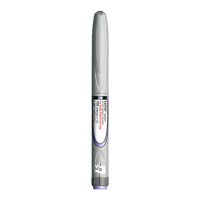
• LANTUS comes as U-100 insulin and contains 100 units of LANTUS per milliliter (mL). One
milliliter of U-100 insulin contains 100 units of insulin. (1 mL = 1 cc).
What is Diabetes?
• Your body needs insulin to turn sugar (glucose) into energy. If your body does not make enough
insulin, you need to take more insulin so you will not have too much sugar in your blood.
• Insulin injections are important in keeping your diabetes under control. But the way you live, your
diet, careful checking of your blood sugar levels, exercise, and planned physical activity, all work
with your insulin to help you control your diabetes.
What is LANTUS?
• LANTUS (insulin glargine [recombinant DNA origin]) is a long-acting insulin. . Because Lantus is
made by recombinant DNA technology (rDNA) and is chemically different from the insulin made
by the human body, it is called an insulin analog. LANTUS is used to treat patients with diabetes
for the control of high blood sugar. It is used once a day to lower blood glucose.
• LANTUS is a clear, colorless, sterile solution for injection under the skin (subcutaneously).
• The active ingredient in LANTUS is insulin glargine. The concentration of insulin glargine is 100
units per milliliter (mL), or U-100. LANTUS also contains zinc, metacresol, glycerol, and water for
injection as inactive ingredients. Hydrochloric acid and/or sodium hydroxide may be added to
adjust the pH.
• You need a prescription to get LANTUS. Always be sure you receive the right insulin from the
pharmacy.
Who should NOT take LANTUS?
Do not take LANTUS if you are allergic to insulin glargine or any of the inactive ingredients in
LANTUS. Check with your healthcare provider if you are not sure.
• Before starting LANTUS, tell your healthcare provider about all your medical conditions
including if you:
• have liver or kidney problems. Your dose may need to be adjusted.
• are pregnant or plan to become pregnant. It is not known if LANTUS may harm your
unborn baby. It is very important to maintain control of your blood sugar levels during
pregnancy. Your healthcare provider will decide which insulin is best for you during your
pregnancy.
• are breast-feeding or plan to breast-feed. It is not known whether LANTUS passes into
your milk. Many medicines, including insulin, pass into human milk, and could affect your
baby. Talk to your healthcare provider about the best way to feed your baby.
• are taking any other medicines including prescription and non-prescription medicines,
vitamins and herbal supplements.
How should I use LANTUS?
See the ″Instructions for SoloStar
®
Use0 section for additional information.
• Follow the instructions given by your healthcare provider about the type or types of insulin you
are using. Do not make any changes with your insulin unless you have talked to your healthcare
provider. Your insulin needs may change because of illness, stress, other medicines, or changes
in diet or activity level. Talk to your healthcare provider about how to adjust your insulin dose.
• You may take LANTUS at any time during the day but you must take it at the same time every
day.
• Only use LANTUS that is clear and colorless. If your LANTUS is cloudy or slightly colored, return
it to your pharmacy for a replacement.
• Follow your healthcare provider’s instructions for testing your blood sugar.
• Inject LANTUS under your skin (subcutaneously) in your upper arm, abdomen (stomach area), or
thigh (upper leg). Never inject it into a vein or muscle.
• Change (rotate) injection sites within the same body area.
• NEEDLES AND SOLOSTAR
®
MUST NOT BE SHARED.
• Disposable needles should be used only once. Used needle should be placed in sharps containers
(such as red biohazard containers), hard plastic containers (such as detergent bottles), or metal
containers (such as an empty coffee can). Such containers should be sealed and disposed of
properly.
Mixing with LANTUS
• Do NOT dilute or mix LANTUS with any other insulin or solution. It will not work as intended
and you may lose blood sugar control, which could be serious.
Instructions for SoloStar
®
Use
It is important to read, understand, and follow the step-by-step instructions in the 0SoloStar
®
Instruction Leaflet0 before using SoloStar
®
disposable insulin Pen. Failure to follow the
instructions may result in getting too much or too little insulin. If you have lost your leaflet or have
a question, go to www.lantus.com or call 1-800-633-1610.
The following general notes should be taken into consideration before injecting LANTUS:
• Always wash your hands before handling the SoloStar
®
disposable insulin Pen.
• Always attach a new needle before use. BD Ultra-Fine™ needles
†
are compatible with SoloStar.
These are sold separately and are manufactured by BD.
• Always perform the safety test before use.
• Check the insulin solution in the pen to make sure it is clear, colorless, and free of particles. If
it is not, throw it away.
• Do NOT mix or dilute LANTUS with any other insulin or solution. LANTUS will not work if it is mixed
or diluted and you may lose blood sugar control, which could be serious.
• Decide on an injection area - either upper arm, thigh, or abdomen. Do not use the same injection
site as your last injection.
• After injecting LANTUS, leave the needle in the skin for an additional 10 seconds. Then pull the
needle straight out. Gently press on the spot where you injected yourself for a few seconds. Do
not rub the area.
• Do not drop the SoloStar
®
disposable insulin Pen.
If your blood glucose reading is high or low, tell your healthcare provider so the dose can be adjusted.
What can affect how much insulin I need?
Illness. Illness may change how much insulin you need. It is a good idea to think ahead and make
a ″sick day″ plan with your healthcare provider in advance so you will be ready when this happens.
Be sure to test your blood sugar more often and call your healthcare provider if you are sick.
Medicines. Many medicines can affect your insulin needs. Other medicines, including prescription
and non-prescription medicines, vitamins, and herbal supplements, can change the way insulin works.
You may need a different dose of insulin when you are taking certain other medicines. Know all the
medicines you take, including prescription and non-prescription medicines, vitamins and herbal
supplements. You may want to keep a list of the medicines you take. You can show this list to your
healthcare provider and pharmacists anytime you get a new medicine or refill. Your healthcare provider
will tell you if your insulin dose needs to be changed.
Meals. The amount of food you eat can affect your insulin needs. If you eat less food, skip meals, or
eat more food than usual, you may need a different dose of insulin. Talk to your healthcare provider
if you change your diet so that you know how to adjust your LANTUS and other insulin doses.
Alcohol. Alcohol, including beer and wine, may affect the way LANTUS works and affect your blood
sugar levels. Talk to your healthcare provider about drinking alcohol.
Exercise or Activity level. Exercise or activity level may change the way your body uses insulin. Check
with your healthcare provider before you start an exercise program because your dose may need to
be changed.
Travel. If you travel across time zones, talk with your healthcare provider about how to time your
injections. When you travel, wear your medical alert identification. Take extra insulin and supplies with
you.
Pregnancy or nursing. The effects of LANTUS on an unborn child or on a nursing baby are unknown.
Therefore, tell your healthcare provider if you planning to have a baby, are pregnant, or nursing a baby.
Good control of diabetes is especially important during pregnancy and nursing.
What are the possible side effects of LANTUS and other insulins?
Insulins, including LANTUS, can cause hypoglycemia (low blood sugar), hyperglycemia (high blood
sugar), allergy, and skin reactions.
Hypoglycemia (low blood sugar):
Hypoglycemia is often called an ″insulin reaction″ or ″low blood sugar″. It may happen when you do
not have enough sugar in your blood. Common causes of hypoglycemia are illness, emotional or
physical stress, too much insulin, too little food or missed meals, and too much exercise or activity.
Early warning signs of hypoglycemia may be different, less noticeable or not noticeable at all in some
people. That is why it is important to check your blood sugar as you have been advised by your
healthcare provider.
Hypoglycemia can happen with:
• Taking too much insulin. This can happen when too much insulin is injected.
• Not enough carbohydrate (sugar or starch) intake. This can happen if a meal or snack is
missed or delayed.
• Vomiting or diarrhea that decreases the amount of sugar absorbed by your body.
• Intake of alcohol.
• Medicines that affect insulin. Be sure to discuss all your medicines with your healthcare provider.
Do not start any new medicines until you know how they may affect your insulin dose.
• Medical conditions that can affect your blood sugar levels or insulin. These conditions
include diseases of the adrenal glands, the pituitary, the thyroid gland, the liver, and the kidney.
• Too much glucose use by the body. This can happen if you exercise too much or have a fever.
• Injecting insulin the wrong way or in the wrong injection area.
Hypoglycemia can be mild to severe. Its onset may be rapid. Some patients have few or no warning
symptoms, including:
• patients with diabetes for a long time
• patients with diabetic neuropathy (nerve problems)
• or patients using certain medicines for high blood pressure or heart problems.
Hypoglycemia may reduce your ability to drive a car or use mechanical equipment and you may risk
injury to yourself or others.
Severe hypoglycemia can be dangerous and can cause temporary or permanent harm to your heart
or brain. It may cause unconsciousness, seizures, or death.
Symptoms of hypoglycemia may include:
• anxiety, irritability, restlessness, trouble concentrating, personality changes, mood changes, or
other abnormal behavior
• tingling in your hands, feet, lips, or tongue
• dizziness, light-headedness, or drowsiness
• nightmares or trouble sleeping
• headache
• blurred vision
• slurred speech
• palpitations (fast heart beat)
• sweating
• tremor (shaking)
• unsteady gait (walking).
If you have hypoglycemia often or it is hard for you to know if you have the symptoms of hypoglycemia,
talk to your healthcare provider.
Mild to moderate hypoglycemia is treated by eating or drinking carbohydrates such as fruit juice, raisins,
sugar candies, milk or glucose tablets. Talk to your healthcare provider about the amount of
carbohydrates you should eat to treat mild to moderate hypoglycemia.
Severe hypoglycemia may require the help of another person or emergency medical people. A person
with hypoglycemia who is unable to take foods or liquids with sugar by mouth, or is unconscious needs
medical help fast and will need treatment with a glucagon injection or glucose given intravenously (IV).
Without medical help right away, serious reactions or even death could happen.
Hyperglycemia (high blood sugar):
Hyperglycemia happens when you have too much sugar in your blood. Usually, it means there is not
enough insulin to break down the food you eat into energy your body can use. Hyperglycemia can be
caused by a fever, an infection, stress, eating more than you should, taking less insulin than prescribed,
or it can mean your diabetes is getting worse.
Hyperglycemia can happen with:
• Insufficient (too little) insulin. This can happen from:
- injecting too little or no insulin
- incorrect storage (freezing, excessive heat)
- use after the expiration date.
• Too much carbohydrate intake. This can happen if you eat larger meals, eat more often, or
increase the amount of carbohydrate in your meals.
• Medicines that affect insulin. Be sure to discuss all your medicines with your healthcare provider.
Do not start any new medicines until you know how they may affect your insulin dose.
• Medical conditions that affect insulin. These medical conditions include fevers, infections, heart
attacks, and stress.
• Injecting insulin the wrong way or in the wrong injection area.
Testing your blood or urine often will let you know if you have hyperglycemia. If your tests are often
high, tell your healthcare provider so your dose of insulin can be changed.
Hyperglycemia can be mild or severe. It can progress to diabetic ketoacidosis (DKA) or very high
glucose levels (hyperosmolar coma) and result in unconsciousness and death.
11


 To Next Page
 Loading...