
 Need help?
Do you have a question about the Lec R5017W and is the answer not in the manual?
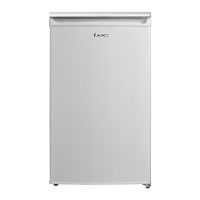
This document is a user guide for an undercounter refrigerator, model R5017W/S/B, manufactured by Lec Refrigeration. It provides comprehensive instructions for the safe and efficient operation, installation, and maintenance of the appliance.
The primary function of this device is to provide refrigeration and freezing capabilities for household use. It is designed to store food items at appropriate temperatures, with a dedicated freezer compartment for frozen goods and a main cooling compartment for fresh food. The unit is intended for domestic environments, including staff kitchen areas, farmhouses, hotels, motels, bed and breakfast establishments, and catering applications, but not for general retail use.
Before using the unit, it is crucial to follow specific installation guidelines to ensure optimal performance and safety. The refrigerator should be placed on a flat and firm floor in a well-ventilated room with an ambient temperature between 16°C and 38°C. It is important to avoid locating the unit near heat sources like cookers, boilers, or radiators, and to protect it from direct sunlight, which can increase electrical consumption. The unit is not designed for use in garages or outbuildings.
Proper leveling of the unit is essential for the doors and magnetic seals to align correctly. This can be achieved by adjusting the two leveling feet at the front of the appliance. Adequate free space around the unit is also required: 25 mm on both sides, 50 mm at the rear, and 25 mm at the top. This allows for proper ventilation and ensures the door can open to a full 160 degrees.
The door swing of the refrigerator can be reversed to suit the user's preference and location. This process involves removing screws, hinges, and the top cover, then swapping the bottom bush and bush cap of the upper door, and reattaching the lower screws, hinge bracket, and adjustable feet to the opposite side. It is recommended that two people handle the unit during this process, and if the user is not confident, a qualified technician should perform the reversal. Laying the unit flat should be avoided as it may damage the coolant system.
Before initial use, the interior of the unit should be wiped clean with a weak solution of bicarbonate soda, rinsed with warm water, and dried thoroughly. The exterior can be cleaned with a damp cloth. After cleaning, the shelves, drawers, and salad bin should be replaced. It is important to allow the unit to stand for at least two hours after significant movement before plugging it in. Once plugged in, the unit should be turned on and allowed to run for 24 hours to reach the correct temperature before any food is placed inside.
The refrigerator features an internal light and a thermostat control dial, located on the right side of the cabinet, to adjust the internal temperature. Before connecting the unit to the mains supply, the thermostat control dial should be set to the "OFF" position. Once plugged in, the dial can be adjusted to the desired temperature setting. Positions 2, 3, or 4 are recommended for normal room temperatures (16°C to 38°C). The unit's temperature may be affected by extreme room temperatures or frequent door openings.
The internal temperature is controlled by a thermostat, with recommended settings between 1 and 4 for colder environments (e.g., winter) and 5 to 6 for hotter environments. Users may notice unusual noises from the unit, which are typically normal and caused by the circulation of refrigerant liquid and the compressor motor.
To ensure proper food preservation, cooked meat and fish should always be stored on a shelf above raw meat and fish to prevent bacterial transfer. Raw meat and fish should be kept in a covered container on the lowest shelf. Adequate space around food items allows for air circulation. Food should be packed or covered separately to prevent flavor transfer and drying out, though fruits and vegetables do not require wrapping. Pre-cooked food should be cooled completely before being placed in the unit to help maintain its internal temperature. Limiting the frequency of door openings helps prevent cold air from escaping.
For freezing, it is advised to use quality food and handle it minimally. Freezing food in small quantities allows for faster freezing, quicker defrosting, and better portion control. Cooked food should be cooled and chilled before freezing. Metal containers are not recommended for freezing if the food will be microwaved directly from the freezer. Special freezer bags, film, polythene bags, plastic containers, and heavy-duty aluminum foil should be used. Aluminum foil is not suitable for acidic foods. Thin cling film, glass, or uncleaned used food containers should be avoided. As much air as possible should be excluded from the container. A small amount of air space should be left when freezing liquids to allow for expansion. Freezing liquids or solids with liquids in square blocks ("Preforming") can maximize freezer space. Frozen foods should be clearly labeled with contents and date to avoid exceeding storage times and potential food poisoning.
When defrosting frozen food, it should be removed from the unit and uncovered, allowing it to defrost at room temperature. Defrosting in a warm area can promote bacterial growth, and low-temperature cooking may not eliminate dangerous bacteria. Any liquid lost during defrosting should be drained and discarded. It is crucial to ensure there are no ice crystals in the food, especially meat, before cooking, as this indicates incomplete defrosting. Food should be cooked as soon as possible after defrosting. While some microwaves and ovens have defrost settings, these should only be used if the food will be cooked immediately afterward to prevent bacterial buildup. Defrosted items should never be refrozen unless cooked again to kill harmful bacteria. Defrosted shellfish should never be refrozen. Packs should be properly re-sealed after removing items to prevent drying, freezer burn, and frost buildup on remaining food.
Frost buildup in the freezer compartment is normal over time. It should be scraped away using a plastic scraper (not included) when the layer reaches approximately 10mm (0.39 inches). Metal or sharp instruments and electrical appliances should not be used to aid defrosting. To defrost the freezer compartment, food should be removed and placed in another freezer or wrapped in newspaper and blankets to keep it cool. The unit should be turned off, and the door left open. A shallow bowl or pan should be placed below the freezer compartment to collect water. Hot water can be placed inside the freezer cabinet with the door closed to speed up defrosting. Once the frost loosens, it can be scraped away with a plastic scraper. After defrosting, both the interior and exterior of the unit should be cleaned.
For cleaning the interior and exterior, all shelves and the salad bin (after removing the lower door shelf) should be removed. The interior should be wiped with a weak bicarbonate soda solution, rinsed with warm water using a wrung-out sponge or cloth, and dried completely before replacing components. The exterior can be cleaned with a damp cloth and a standard furniture polish, taking care to avoid getting polish on the magnetic door seal or inside the unit. The condenser grille at the back of the unit and adjacent components can be vacuumed using a soft brush attachment.
The internal light bulb can be replaced by adjusting the thermostat control dial to Position 0, disconnecting the mains supply, and then carefully twisting the lamp cover with a coin to remove it. The old bulb is unscrewed anti-clockwise, and a new 220-240V, max 15W bulb is screwed in securely. The cover is then refitted, and the unit reconnected to the mains supply.
When moving the unit, it should be held by its sides or base. Servicing should only be performed by an authorized engineer using genuine spare parts. Users should not attempt repairs themselves to avoid injury or malfunction.
For long periods of non-use, the unit should be disconnected from the mains supply, emptied of all food, cleaned, and the door left ajar to prevent unpleasant smells. Condensation may appear on the outside of the unit due to changes in room temperature and should be wiped off. If it persists, a qualified technician should be contacted.
Old units should be disposed of in an environmentally friendly manner to allow for the recovery of valuable raw materials. The refrigerant and insulation materials require special disposal procedures, and care should be taken not to damage the pipes on the back of the unit. Information on disposal options can be obtained from local council offices. When disposing of an old unit, any locks or latches should be broken off, and the door removed as a safeguard to prevent children from being trapped inside.
 General
| Energy Rating | A+ |
|---|---|
| Cooling System | Static |
| Color | White |
| Refrigerant | R600a |
| Noise level | 42 dB |
| Number of Doors | 2 |
| Defrosting System | Manual |

 To Next Page