EasyManua.ls Logo

Massimo Motor PAZ125-1 - User Manual

Massimo Motor PAZ125-1
24 pages
Print Icon
To Next Page IconTo Next Page
Loading...
Owners Manual
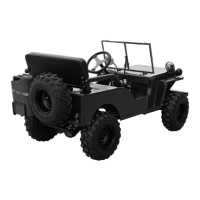
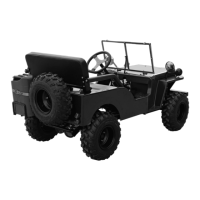
Mini Jeep
Please read and understand all instructions before use.
Retain this manual for future reference.
This vehicle is an All-Terrain Vehicle (ATV) and is NOT intended for use on
public roads or highways.
Operation of this ATV by children under the age of 16 increases the risk of
SEVERE INJURY or DEATH. Never permit children under age 16 to operate
this ATV.
Always using an approved helmet and protective gear COULD SAVE YOUR
LIFE!
Provincial / Municipal governments have different regulations pertaining to
owning and operating an off-road vehicle, learn and follow the regulations in
your area.
Copyright © Oct 2022 Massimo Motor
Question and Answer IconNeed help?

Do you have a question about the Massimo Motor PAZ125-1 and is the answer not in the manual?

Summary

SPECIFICATIONS

INTRODUCTION

SAFETY

IMPORTANT RULES FOR SAFE OPERATION

Key safety rules for operating the vehicle.

BASIC FEATURES

CHARGING THE BATTERY

INSTALLING THE BATTERY

FUEL AND OIL

ENGINE OIL

Information about engine oil, types, and capacity.

AIR FILTER

AIR FILTER CLEANING

Procedure for cleaning and maintaining the air filter.

SPARK PLUG

SPARK PLUG REMOVAL, INSPECTION, REPLACEMENT

Guide for spark plug maintenance and replacement.

TIRES

CHECKING AIR PRESSURE

Instructions for checking and adjusting tire pressure.

BRAKES

FRONT AND REAR BRAKE INSPECTION

Procedure for inspecting the front and rear brake systems.

BREAK-IN

VEHICLE BREAK-IN

Procedures for breaking in the engine, drivetrain, and brakes.

PRE-RIDE INSPECTION

OPERATING

STARTING THE ENGINE

Step-by-step guide for starting the vehicle's engine.

STOPPING THE ENGINE

Procedure for safely shutting down the engine.

BRAKING

Guidelines for proper braking techniques.

PARKING

Instructions for parking the vehicle safely.

SHIFTER

Explanation of the gear shifting lever and positions.

SHIFTING GEARS WHILE DRIVING

Procedure for changing gears while the vehicle is in motion.

ENGINE BRAKING

Using the engine to slow down the vehicle.

FIRST TIME OPERATION

Initial procedures for new operators.

DRIVING WITH A PASSENGER

Guidelines for safely carrying a passenger.

DRIVING ON SLIPPERY SURFACES

Precautions for driving on wet, icy, or loose terrain.

DRIVING UPHILL

Safe practices for ascending hills.

DRIVING ON THE SIDE OF A SLOPED SURFACE

Warnings and precautions for side-hilling.

DRIVING DOWNHILL

Safe practices for descending hills.

DRIVING OVER OBSTACLES

Precautions when driving over objects or uneven terrain.

DRIVING THROUGH WATER

Guidelines and warnings for driving in shallow water.

DRIVING IN REVERSE

Safety procedures for backing up the vehicle.

MAINTENANCE SCHEDULE

Summary

SPECIFICATIONS

INTRODUCTION

SAFETY

IMPORTANT RULES FOR SAFE OPERATION

Key safety rules for operating the vehicle.

BASIC FEATURES

CHARGING THE BATTERY

INSTALLING THE BATTERY

FUEL AND OIL

ENGINE OIL

Information about engine oil, types, and capacity.

AIR FILTER

AIR FILTER CLEANING

Procedure for cleaning and maintaining the air filter.

SPARK PLUG

SPARK PLUG REMOVAL, INSPECTION, REPLACEMENT

Guide for spark plug maintenance and replacement.

TIRES

CHECKING AIR PRESSURE

Instructions for checking and adjusting tire pressure.

BRAKES

FRONT AND REAR BRAKE INSPECTION

Procedure for inspecting the front and rear brake systems.

BREAK-IN

VEHICLE BREAK-IN

Procedures for breaking in the engine, drivetrain, and brakes.

PRE-RIDE INSPECTION

OPERATING

STARTING THE ENGINE

Step-by-step guide for starting the vehicle's engine.

STOPPING THE ENGINE

Procedure for safely shutting down the engine.

BRAKING

Guidelines for proper braking techniques.

PARKING

Instructions for parking the vehicle safely.

SHIFTER

Explanation of the gear shifting lever and positions.

SHIFTING GEARS WHILE DRIVING

Procedure for changing gears while the vehicle is in motion.

ENGINE BRAKING

Using the engine to slow down the vehicle.

FIRST TIME OPERATION

Initial procedures for new operators.

DRIVING WITH A PASSENGER

Guidelines for safely carrying a passenger.

DRIVING ON SLIPPERY SURFACES

Precautions for driving on wet, icy, or loose terrain.

DRIVING UPHILL

Safe practices for ascending hills.

DRIVING ON THE SIDE OF A SLOPED SURFACE

Warnings and precautions for side-hilling.

DRIVING DOWNHILL

Safe practices for descending hills.

DRIVING OVER OBSTACLES

Precautions when driving over objects or uneven terrain.

DRIVING THROUGH WATER

Guidelines and warnings for driving in shallow water.

DRIVING IN REVERSE

Safety procedures for backing up the vehicle.

MAINTENANCE SCHEDULE

Overview

This document is an owner's manual for a Massimo Motor Mini Jeep, an All-Terrain Vehicle (ATV). It emphasizes that the vehicle is not a toy and can be hazardous to operate, particularly for children under 16, who are explicitly prohibited from operating it. The manual stresses the importance of wearing an approved helmet and protective gear, and advises users to be aware of and follow local regulations for off-road vehicles. It also highlights that the vehicle is not intended for use on public roads or highways.

Function Description:

The Massimo Motor Mini Jeep is a 4-stroke, forced air-cooled, single-cylinder All-Terrain Vehicle (ATV) designed for off-road use on private property and approved areas. It features a three-speed centrifugal clutch transmission (First, Second, Third Gears, Neutral, and Reverse) and disc brakes on all three wheels (two front, one rear). The vehicle is designed to transport one operator and one passenger, both of whom must be at least 16 years old and wear appropriate safety gear and seatbelts. The engine is governed to limit maximum speed and protect against damage. The vehicle is not intended for racing, jumping, "stunt" riding, "donuts," or "spin outs."

Important Technical Specifications:

  • Model: PAZ125-1
  • Engine Type: 4-Stroke, Forced Air Cooled, Single Cylinder
  • Displacement: 125 cc
  • Max Power: 9hp @ 7500 rpm
  • Max Torque: 6.5lb-ft @ 6500 rpm
  • Max Speed: 35 mph
  • Start Mode: Electric
  • Clutch: Centrifugal, Oil dipped, segmented
  • Ignition Mode: CDI
  • Lubrication: Forced/Splash
  • Fuel Tank Capacity: 1.05 US Gallons (4 liters)
  • Recommended Fuel: Regular unleaded gasoline with an octane rating of 90 or higher
  • Engine Oil Capacity: 0.9 Qt
  • Recommended Engine Oil: SAE 15W/40 (mineral based) for temperatures between +40°C and -10°C, or other viscosities as per the SAE GRADES chart (e.g., SAE 10W/30, 10W/40, 10W/60, 15W/40 semisynthetic based), with an API service classification of "SM" only.
  • Spark Plug Type: C7HSANGK (or equivalent)
  • Spark Plug Gap: 0.24 - 0.28 inches (0.6~0.7mm)
  • Brake Type: Disc-Brake (Front and Rear)
  • Brake Fluid: DOT 4 Brake fluid
  • Front/Rear Tire Size: 18x7.00-8 (180/70-8)
  • Rim Size: 8x5.50
  • Tire Type: Tubeless low-pressure tires
  • Tire Pressure: Maximum PSI recommended on the sidewall
  • Length: 78 inches
  • Width: 36 inches
  • Height: 29 inches
  • Ground Clearance: 3.9 inches
  • Wheel Base: 49 inches
  • Dry Weight: 350 lbs
  • Steering Bar Angle: ≥30 degrees
  • Max. Weight Capacity: 300 lbs (136 kg) (includes operator, passenger, and any cargo or accessories)

Usage Features:

  • Safety First: The manual repeatedly emphasizes safety, including wearing helmets, protective gear, and seatbelts. It warns against operating under the influence of alcohol or drugs, and highlights the risks of severe injury or death, especially for underage operators.
  • Off-Road Only: Strictly prohibited from public roads, streets, highways, parking lots, or alleys.
  • Operator and Passenger Requirements: Operators and passengers must be at least 16 years old. Passengers must be tall enough to sit comfortably, secure their seatbelt, place feet on the floor, and grasp handholds. Only one passenger is allowed.
  • Pre-Ride Inspection: A comprehensive checklist is provided for daily inspection before each use, covering brake pedal, parking brake, brake fluid, steering, tires and wheels, fasteners, fuel, air filter, oil, grass and debris, throttle, indicators/lights/switches, seatbelts, and operator/passenger attire.
  • Starting the Engine: Involves a sequence of steps: performing pre-ride inspection, sitting in the driver's seat with seatbelt fastened, setting the parking brake, stepping on the brake pedal, placing the shifter in neutral, inserting and turning the keyed ignition switch to "ON" (checking neutral indicator light), and then to "START" (for a maximum of five seconds). Choke lever use is detailed for cold weather starting.
  • Stopping the Engine: Requires releasing the accelerator, applying brakes, placing the shifter in neutral, setting the parking brake, turning the ignition switch to "OFF," and removing the key.
  • Braking: Users are advised to avoid sudden braking, practice in different conditions, and apply moderate force. Engine braking occurs when the accelerator is released.
  • Parking: Should be on a level surface, with the engine stopped, parking brake set, and wheels chocked/turned on inclines.
  • Shifting Gears: The shifter lever controls FORWARD (First, Second, Third), NEUTRAL, and REVERSE. Shifting while stopped requires releasing the accelerator, applying the brake, and then moving the shifter. Shifting while driving (for higher gears) involves releasing the accelerator and moving the shifter down. Downshifting for engine braking is also described.
  • Driving Conditions: Specific precautions are given for driving on slippery surfaces (slow down, avoid quick turns, correct skids), sloped surfaces (not recommended, turn downhill if overturning), uphill (check terrain, avoid steep hills/slippery surfaces, drive straight), downhill (avoid steep hills, slow down, drive straight, apply brakes lightly), over obstacles (check for obstacles, drive slowly, passenger dismounts), and through shallow water (check depth, avoid water deeper than 3 inches, test brakes afterward).
  • Driving in Reverse: Requires a full stop, applying brakes, moving the shifter to reverse (checking indicator light), checking for obstacles/people behind, slowly releasing brake and applying throttle, backing up slowly, applying brakes lightly for stopping, and avoiding sharp turns.
  • Distraction Avoidance: Strongly warns against using mobile phones, texting, or setting GPS while driving.

Maintenance Features:

  • Maintenance Schedule: A detailed checklist outlines periodic maintenance and service intervals (After Break-in, Monthly, Quarterly, Yearly) for various components. Items marked with an asterisk (*) require a competent mechanic.
  • Engine Oil: Check oil level before each use. Initial oil change after 10 hours of operation, then every 30-50 hours. Use specified SAE grade oil with API "SM" classification.
  • Air Filter: Service at least once every 30 days of use, more frequently in dusty/wet conditions. Cleaning involves removing, tapping out dirt, spraying with cleaner, rinsing with warm water, drying, and reinstalling. Warnings against running the engine without the air filter, getting it wet, or using pressurized air for cleaning.
  • Spark Plug: Check every 50 to 100 hours. Inspect electrodes, insulator, and carbon fouling. Adjust gap to 0.24-0.28 inches (0.6-0.7mm). Use recommended C7HSANGK or equivalent. Proper installation procedures are detailed to prevent engine damage.
  • Battery: Lead acid, permanently sealed type. Charging instructions include connecting positive (+) cable first, then negative (-), setting charger to 12VDC, and charging for 5-10 hours at 0.9 Amps (quick charging not recommended). Warnings about explosion risk, sulfuric acid, and explosive gases. Installation involves placing the battery in the tray, securing it, connecting positive (+) cable first, then negative (-), and covering terminals.
  • Tires: Check air pressure before each use and before each trip. Maintain maximum PSI recommended on sidewall. Inspect for damage, excessive wear (replace if tread depth is 1/8” or less, or every 3-5 years). Tubeless tire repair using a plug type patch is mentioned, with replacement recommended for cuts or irreparable punctures.
  • Brakes: Inspect brake pedal, fluid level, calipers, cylinder, lines, joints, hoses, and friction pads before each use. Friction pads should be >3/64" (1 mm). Use DOT 4 Brake fluid for refilling.
  • Break-in Period: 10 hours of operation for a new vehicle. Involves avoiding full throttle or high speeds for the first 5 hours, moderate braking for the first 50 stops, varying throttle positions, and operating at lower speeds for CVT break-in. Engine oil change and drive chain adjustment/lubrication are required after 10 hours or one month.
  • General Maintenance: Keep screws, nuts, and bolts tight. Keep the engine free of dirt. Do not modify the vehicle or remove safety decals. Do not tamper with governor settings. Check fuel supply before each use.
  • Oil Disposal: Emphasizes proper recycling and disposal of used oil due to its hazardous nature.

Massimo Motor PAZ125-1 Specifications

General IconGeneral
BrandMassimo Motor
ModelPAZ125-1
CategoryUtility Vehicle
LanguageEnglish

Related product manuals