Basic Information
Air Amplifiers Revision 11.2011
1
1 Basic Information
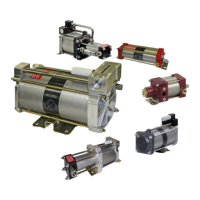
Air amplifiers from MAXIMATOR are used for compressing pre-amplified
compressed air from the compressed air network to a desired higher final pressure.
This process provides the following advantages:
Selective pressure increase upstream of individual consumers
No energy consumption once the final pressure has been reached
No electrical installation necessary
Simple, safe and cost-efficient operation
Requires no investment in an in-house high-pressure network or a
decentralized separate compressor system
1.1 Notes on the Assembly Instructions
These assembly instructions describe how to set up the air amplifiers and provide
information about how to operate and maintain them correctly. Read the assembly
instructions carefully before actually using this equipment. The assembly
instructions facilitate rapid understanding of the technical details and contain all the
necessary information on how to use the air amplifiers. The assembly instructions
contain technical data, a technical description and information on how to put into
service, operate and maintain the air amplifiers. Technical data and measurement
and weight information apply to the day on which these assembly instructions were
printed. They may differ in detail from a particular implementation, without
fundamentally changing the objective information and thereby losing validity.
Differences in textual and pictorial statements depend on equipment and
accessories, which means that no claims arising from this can be asserted. All
maintenance, assembly and operating information prescribed in these assembly
instructions must be complied with to ensure full functionality and safety. The air
amplifiers are intended only for the purposes mentioned in the assembly
instructions. The manufacturer cannot recognize claims caused by incorrect
operation and inadequate maintenance. The attached documents relating to
components and all other documents that are part of the scope of delivery must be
observed. The relevant accident prevention regulations and other generally
recognized safety requirements must be complied with.


 To Next Page