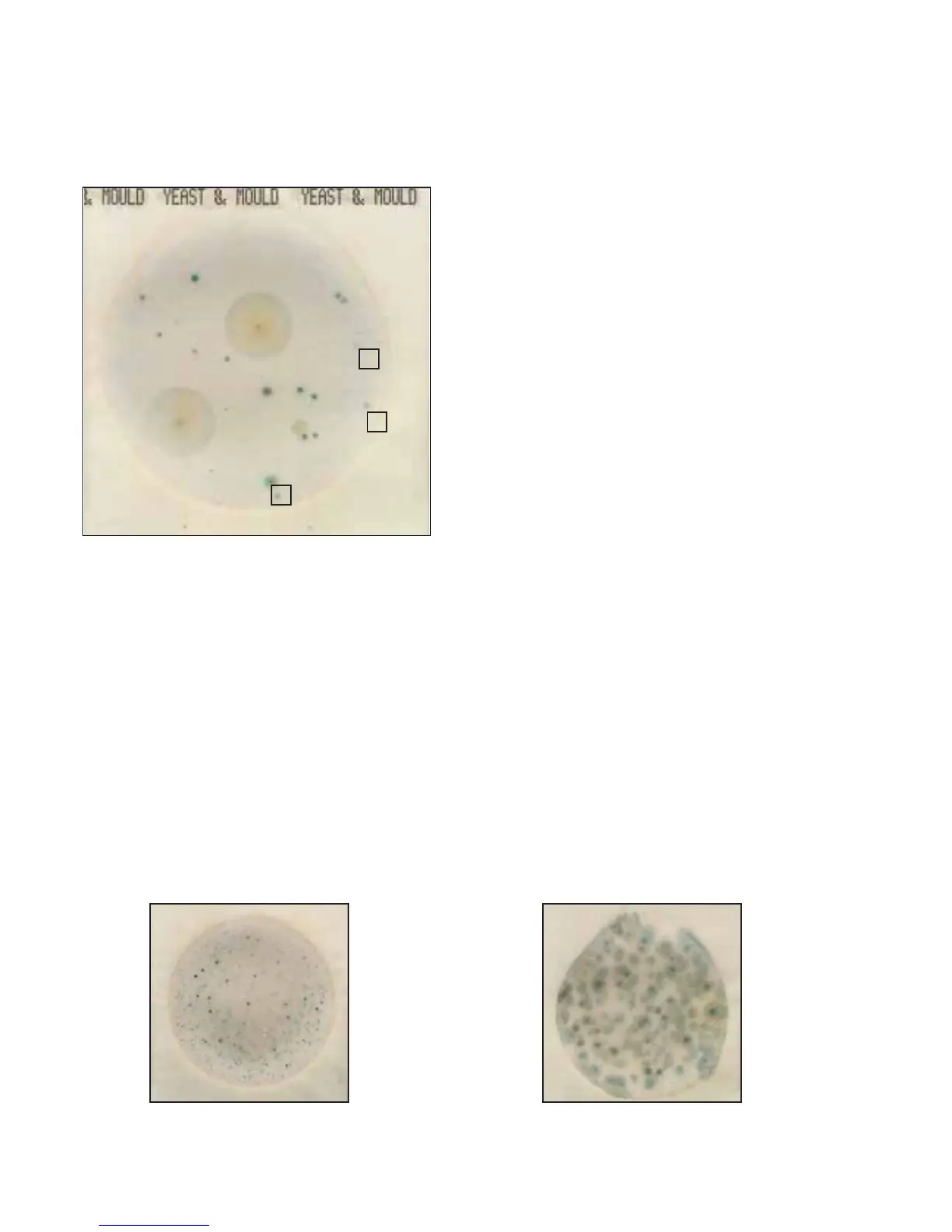
Figure 14 is the same product as shown in figure 13, plated
after allowing the product particulates to settle 3-5 minutes
before plating. There are still a few pinpoint spots (in the
squares above) caused by product particles, but most
product interference was eliminated. (Yeast count = 12
Mould count = 4)
Incubating yeast and mould plates at a higher temperature
may not mean a faster result - it may mean an inaccurate
result as illustrated in the Petrifilm Yeast and Mould count
plates in figures 15 and 16. They are duplicate plates of the
same product and dilution, but were incubated for different
times at different temperatures.
Proper incubation TIME and TEMPERATURE are
important to ensure growth of the types of yeast and mould
that can cause spoilage. These yeast and moulds are
generally slow growing, and sensitive to high temperatures,
regardless of the method used.
To ensure optimum growth, incubate 3M
™
Petrifilm
™
Yeast
and Mould Count Plates at 20°C-25°C (room temperature),
and check plates for growth at both 3 and 5 days. Since
mould colonies grow between the films, inspecting Petrifilm
plates will not dislodge spores and cause additional colonies.
Time & Temperature
Yeast count = 12; Mould count = 4
Figure 14
Yeast count = TNTC
Incubated 3 days at 35°C
Yeast count = TNTC (actual count >10
7
)
MOULD count = 120 (estimate)
Incubated 5 days at room temperature.



 To Next Page
 Loading...