EasyManua.ls Logo

Milwaukee M18 FUEL FTS210 - User Manual

Milwaukee M18 FUEL FTS210
24 pages
Print Icon
To Next Page IconTo Next Page
Loading...
Cat. No.
M18 FTS210
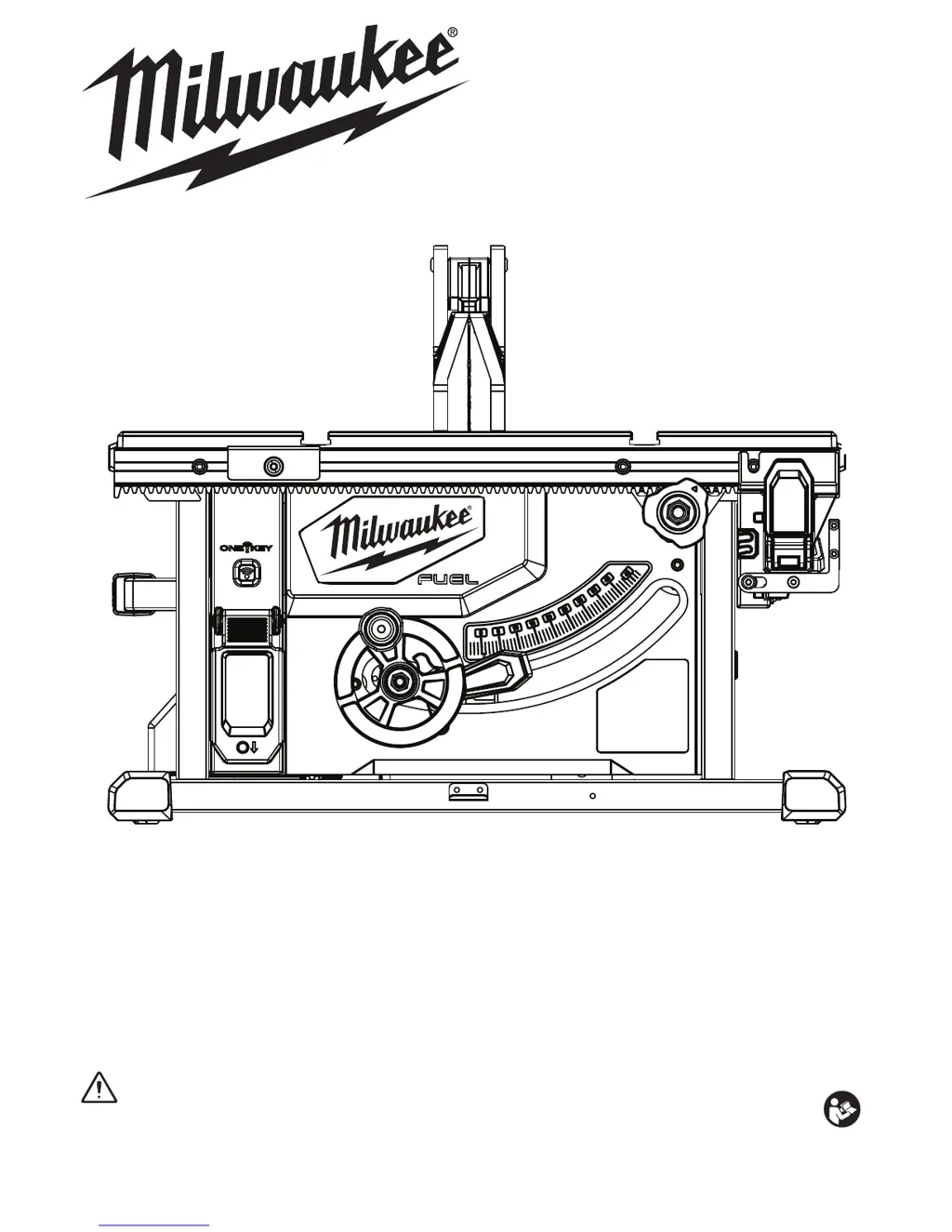
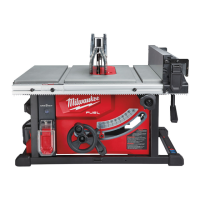
M18™ FUEL™ 210mm (8 1/4") TABLE SAW W/ ONE-KEY
OPERATOR'S MANUAL
To reduce the risk of injury, user must read and understand operator's manual.
WARNING

Questions and Answers

  • M
    Mark SmithAug 14, 2025
    What to do if my Milwaukee Saw does not start?
    • N
      Noah MendozaAug 14, 2025
      If your Milwaukee Saw does not start, the battery pack may be at the end of its charge. Charge the battery pack. Alternatively, the battery pack contacts may be dirty, so clean the battery pack contacts.
  • E
    Elizabeth MendezAug 18, 2025
    Why does my Milwaukee M18 FUEL FTS210 Saw blade make poor cuts?
    • H
      Heather ChristensenAug 18, 2025
      If your Milwaukee Saw blade is making poor cuts, it could be due to several reasons. The blade might be dull or dirty, in which case you should clean, sharpen, or replace it. Alternatively, you might be using the wrong type of blade for the cut you're making; if so, replace it with the correct type. Finally, ensure that the blade is mounted correctly; if not, remount it.
  • G
    Gregory MathisAug 21, 2025
    Why did my Milwaukee Saw unexpectedly stop?
    • R
      rmillerAug 21, 2025
      If your Milwaukee Saw stops unexpectedly, the battery may be overheating. Allow the battery to cool for 10 minutes before use.
  • M
    Michelle KingAug 25, 2025
    Why is my Milwaukee Saw cutting binding or burning work?
    • C
      Cynthia Flores DVMAug 25, 2025
      If the Milwaukee Saw cutting binds or burns the wood, several factors could be at play. The blade might be dull, requiring replacement or sharpening. The work may be fed too quickly, necessitating a slower feed rate. The rip fence might be misaligned, so align it. The wood could be warped, so replace the wood.
  • A
    Amanda DavisAug 27, 2025
    How to reduce excess vibration on my Milwaukee Saw?
    • C
      cheryl71Aug 27, 2025
      Excessive vibration in your Milwaukee Saw can stem from several causes. The blade might be out of balance or damaged, in which case you should replace it. Ensure the saw is mounted securely by tightening all hardware. An uneven work surface could also be the culprit; adjust the legs of the optional stand. Also, check the saw blade installation.
  • J
    Julie JohnsonAug 31, 2025
    Why does the motor labour in rip cut with my Milwaukee Saw?
    • A
      Andrea PerezAug 31, 2025
      If the motor labours during a rip cut with your Milwaukee Saw, it might be because the blade isn't suitable for rip cuts. Try changing the blade to one specifically designed for ripping, which typically has fewer teeth. Also, check that you are not feeding the material too quickly into the blade; if so, slow down the feed rate.
  • L
    Lorraine HerringSep 3, 2025
    Why wood edges away from rip fence when ripping with my Milwaukee M18 FUEL FTS210?
    • J
      James LongSep 3, 2025
      If the wood edges away from the rip fence when ripping with your Milwaukee Saw, the blade may not be properly sharpened or set. Resharpen or set the blade.
  • J
    Jennifer JonesSep 7, 2025
    What to do if rip fence does not move smoothly on Milwaukee M18 FUEL FTS210 Saw?
    • S
      Samantha ThomasSep 7, 2025
      If the rip fence on your Milwaukee Saw does not move smoothly, it could be due to incorrect mounting. Remount the rip fence. Another possible reason is that the rails are dirty or sticky. Clean the rails.
  • P
    paula24Sep 10, 2025
    Why is the height adjusting hand-wheel hard to turn on my Milwaukee Saw?
    • K
      Kristi CervantesSep 12, 2025
      If the height adjusting hand-wheel on your Milwaukee Saw is hard to turn, the gears or screw post inside the cabinet may be clogged with saw dust. Clean the gears or screw post.

Summary

General Power Tool Safety Warnings

Work Area Safety Guidelines

Guidelines for maintaining a safe work environment to prevent accidents and injuries.

Electrical Safety Precautions

Precautions related to electrical connections, cords, and grounding to prevent shock.

Personal Safety Measures

Recommendations for operator alertness, protective gear, and preventing accidental starts.

Power Tool Usage and Care

General Power Tool Use and Care

Instructions for proper operation, maintenance, and care of power tools.

Battery Tool Use and Care

Guidelines for the safe use, charging, and maintenance of battery-powered tools.

Specific Safety Concerns

Kickback Causes and Related Warnings

Explains the causes of kickback and provides warnings to prevent it.

Table Saw Operating Procedure Warnings

Safety precautions to follow during the operation of the table saw.

Additional Safety and Specifications

Additional Battery Safety Rules

Additional safety guidelines specifically for battery usage and product care.

Technical Specifications

Technical details and performance metrics for the table saw, including dimensions and ratings.

Functional Description

Assembly and Setup Instructions

Battery Removal and Insertion

Step-by-step instructions for safely removing and installing the battery pack.

Unpacking and Initial Inspection

Guidance on how to unpack the tool, check for damage, and prepare for assembly.

Mounting the Table Saw Securely

Instructions for securely mounting the table saw to a stable work surface.

Understanding Table Saw Components

Basic terminology and understanding of table saw components and their functions.

Blade and Throat Plate Management

Selecting, Installing, and Changing Blades

Procedures for choosing, fitting, and replacing saw blades safely and correctly.

Changing the Throat Plate

Steps for removing and installing the throat plate for various cutting operations.

Riving Knife and Fence Adjustments

Changing the Riving Knife

Instructions on how to replace the riving knife for different cutting needs.

Installing Anti-Kickback Pawls

Guidance on fitting anti-kickback pawls for enhanced safety during cuts.

Adjusting Blade Depth

How to adjust the saw blade depth for optimal cutting performance.

Installing and Moving the Rip Fence

Steps for fitting, adjusting, and moving the rip fence for accurate cuts.

Operational Guides and Accessories

Using an Auxiliary Fence

How to use an auxiliary fence for cutting thin or delicate workpieces safely.

Changing Blade Angle (Bevel)

Steps for adjusting the saw blade to achieve bevel cuts.

Using the Mitre Gauge

Proper use of the mitre gauge for accurate angled cuts.

Dust Collection System

Instructions for connecting and using the dust collection system to manage debris.

Transporting and Storing the Saw

Guidelines for safely transporting and storing the table saw and its accessories.

Operation and Kickback Prevention

Causes of Kickback

Detailed explanation of factors leading to kickback and potential injuries.

Techniques to Avoid Kickback

Best practices and techniques to prevent kickback during operation.

Turning the Saw On and Off Safely

Step-by-step guide for safely powering the saw on and off.

Cutting Aids and Maintenance

Clearing Jams and Dust Chute

Procedures for clearing jams and cleaning the dust chute for optimal performance.

Making Jigs and Featherboards

Instructions for creating and using jigs, featherboards, push sticks, and blocks.

Using Push Sticks and Push Blocks

Guidance on using push sticks and blocks to keep hands safe from the blade.

Featherboard Mounting and Cut Types

How to Mount a Featherboard

Instructions on how to properly mount and use a featherboard to prevent kickback.

Overview of Basic Cut Types

Overview of basic types of cuts performed with a table saw.

Cutting Rules and Procedures

General Cutting Rules

General guidelines and precautions for performing various cuts safely and accurately.

Making a Cross Cut

Detailed steps for executing a standard cross cut on the table saw.

Making a Rip Cut

Step-by-step instructions for safely performing a rip cut with the table saw.

Advanced Cutting Techniques

Making Mitre and Bevel Cuts

Instructions for performing accurate mitre cuts and bevel cuts using the table saw.

Making Compound (Bevel) Mitre Cuts

Guide to making cuts with both angled blade and angled workpiece.

Specialized Cuts and Safety

Making Large Panel Cuts

Safety and procedure for cutting large panels on the table saw.

Making Non-Through Cuts

How to perform cuts like grooves and dadoes without going through the material.

Troubleshooting Guide

Maintenance and Adjustments

General Tool Maintenance

General advice for keeping the tool in good working condition.

Adjusting the Throat Plate

Steps to properly adjust the throat plate for smooth cutting.

Blade Angle (Bevel) Adjustment

How to set and check blade angle adjustments for 0° and 45° cuts.

Alignment Adjustments

Blade to Mitre Slot Alignment

Procedure to ensure the blade is square to the mitre slot for accurate cuts.

Blade to Fence Alignment

Steps to align the rip fence parallel to the saw blade for safe operation.

Riving Knife Alignment

Riving Knife to Saw Blade Alignment

How to align the riving knife correctly with the saw blade for kickback prevention.

Tool Features and Support

Internal Battery and ONE-KEY

Information on the internal battery for ONE-KEY™ functionality and replacement.

Cleaning, Repairs, and Accessories

Guidelines for cleaning the tool and information on how to handle repairs.

Warranty and Service Information

Australia and New Zealand Warranty

Details regarding warranty coverage for products sold in Australia and New Zealand.

Service and Contact Details

Contact information for authorized dealers, customer service, and service agents.

Milwaukee M18 FUEL FTS210 Specifications

General IconGeneral
BrandMilwaukee
ModelM18 FUEL FTS210
CategorySaw
LanguageEnglish

Related product manuals