1. INTRODUCTION
1.1 Intended Use
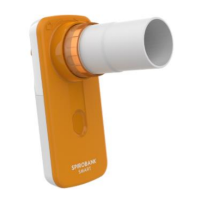
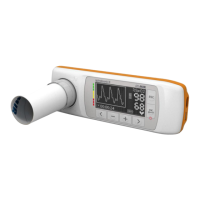
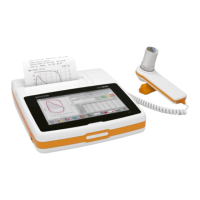
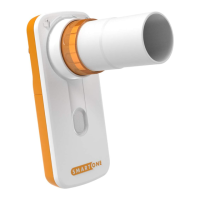
MiniSpir spirometer and pulse oximeter (optional) is intended to be used either by a physician, respiratory therapist or technician.
The device is intended to test lung function and can make:
• spirometry testing in people of all ages, excluding infants and neonates
• oximetry testing in people of all ages.
It can be used in hospital setting, physician's office, factory, pharmacy.
1.1.1 User Category
MiniSpir calculates a series of parameters relating to human respiratory function.
Use of the device is usually "prescribed" by a doctor, who is responsible for analysing and checking the results and the data
gathered during the test period .
1.1.2 Ability and experience required
The correct use of the device, the interpretation of the results and the maintenance of the device, with particular attention to
disinfection (cross-contamination risk), all require qualified personnel.
WARNING
The manufacturer cannot be held responsible for any damage caused by the user of the device failing to follow the
instructions and warnings contained in this manual.
The MiniSpir when used as a pulse oximeter is intended for spot-checking oximetry.
1.1.3 Operating environment
MiniSpir has been designed for use in hospital setting, physician's office, factory, pharmacy.
The instrument is not intended for use in an operating theatre nor in the presence of inflammable liquids or detergents, nor in the
presence of inflammable anaesthetic gases, oxygen or nitrogen.
The instrument is not designed to be used in direct air currents (e.g. wind), sources of heat or cold, direct sun rays or other sources
of light or energy, dust, sand or any other chemical substances.
The user is responsible for ensuring that the device is stored and used in appropriate environmental conditions as specified in
paragraph 1.6.3.
WARNING
If the device is exposed to unsuitable environmental conditions, this could cause the device to malfunction and to give
incorrect results.
1.1.4 Who can or must make the installation
The device requires installation by qualified personnel.
1.1.5 Subject effect on the use of the device
A spirometry test should only be carried out when the subject is at rest and in good health, and thus in a suitable condition for the
test. A spirometry test requires the collaboration of the subject since the subject must make a complete forced expiration, in order
to have a meaningful test result.
1.1.6 Limitations of use - Contraindications
An analysis of the results of a spirometry test is not by itself sufficient to make a correct diagnosis of the subject’s clinical condition.
A detailed clinical history of the subject is also required together with the results of any other test(s) suggested by a doctor.
Test comments, a test interpretation and suggested courses of treatment must be given by a doctor.
A spirometry test requires the collaboration of the subject. The results depend on the person’s capability to inspire and to expire
all air completely and as fast as possible. If these fundamental conditions are not respected then the results obtained during
spirometry testing will not be considered accurate, and therefore the test results are “not acceptable”.
The acceptability of a test is the responsibility of the user. Special attention should be given to testing elderly subjects, children
and people with disabilities.
The device should never be used when it is possible or probable that the validity of the results may be compromised due to any
such external factors.
WARNING
MiniSpir when used as a pulse oximeter has limited alarms, therefore the device requires frequent PC display observation
of SpO2 and pulse rate.


 To Next Page