[ Edit: 2012/ 4/ 9 Model: E26-A ]
GUID-A5D8EC41-97E8-48FF-BECA-B79BF1263031
If you have a flat tire, see “Flat tire” (P.6-2).
TIRE INFLATION PRESSURE
GUID-650CD715-5BFE-47C6-B3B4-90F1CB4FF2FD
Periodically check the pressure of the tires, including
the spare. An incorrect tire pressure may adversely
affect tire life and vehicle handling. The tire pressure
should be checked when tires are COLD. Tires are
considered COLD after the vehicle has been parked
for 3 or more hours, or driven less than 1.6 km (1 mile).
COLD tire pressures are shown on the tire placard.
Insufficient pressure can lead to an overheating of the
tire and subsequent internal damage. At high speeds,
this could result in tread separation and even bursting
of the tire.
TYPES OF TIRES
GUID-49B1AB10-6AC9-47BE-A2BD-284FC039ACB9
CAUTION:
When changing or replacing tires, be sure all
four tires are of the same type (that is, summer,
all season or snow) and construction. A NISSAN
dealer may be able to help you with information
about tire type, size, speed rating and avail-
ability.
Replacement tires may have a lower speed rating than
the factory equipped tires, and they may not match the
potential maximum vehicle speed. Never exceed the
maximum speed rating of the tire.
All season tires
GUID-A5B2F578-75C5-4EB6-9056-198BF9516369
NISSAN specifies all season tires on some models to
provide good performance all year, including snowy
and icy road conditions. All season tires are identified
by ALL SEASON and/or M&S on the tire sidewall.
Snow tires have better snow traction than all season
tires and may be more appropriate in some areas.
Summer tires
GUID-62A0B996-9DCE-4BE5-B458-E55B13F3B49C
NISSAN specifies summer tires on some models to
provide superior performance on dry roads. Summer
tire performance is substantially reduced in snow and
ice. Summer tires do not have the tire traction rating
M&S on the tire sidewall.
If you plan to operate your vehicle in snowy or icy
conditions, NISSAN recommends the use of snow or
all season tires on all four wheels.
Snow tires
GUID-D7F9E0F4-D939-4EE5-A760-124172A8C21B
If snow tires are needed, it is necessary to select tires
equivalent in size and load rating to the original
equipment tires. If you do not, it can adversely affect
the safety and handling of your vehicle.
Generally, snow tires have lower speed ratings than
factory equipped tires and may not match the potential
maximum vehicle speed. Never exceed the maximum
speed rating of the tire. If you install snow tires, they
must be the same size, brand, construction and tread
pattern on all four wheels.
For additional traction on icy roads, studded tires may
be used. However, some states and provinces prohibit
their use. Check local, state and provincial laws before
installing studded tires. Skid and traction capabilities
of studded snow tires on wet or dry surfaces may be
poorer than that of non-studded snow tires.
TIRE CHAINS
GUID-8023F18B-A77F-45C4-B402-04E7735561F4
Use of tire chains may be prohibited according to
location. Check the local laws before installing tire
chains. When installing tire chains, make sure that they
are of proper size for the tires on your vehicle and are
installed according to the chain manufacturer’s in-
structions.
Use chain tensioners when recommended by the tire
chain manufacturer to ensure a tight fit. Loose end links
of the tire chains must be secured or removed to
prevent the possibility of whipping action damage to
the fenders or underbody. If possible, avoid fully
loading your vehicle when using tire chains. In addition,
drive at a reduced speed. Otherwise, your vehicle may
be damaged and/or vehicle handling and performance
may be adversely affected.
Tire chains must be installed only on the rear wheels
and not on the front wheels. Do not use the chains on
dry roads.
Do not drive with tire chains on paved roads which are
clear of snow. Driving with chains in such conditions
can cause damage to the various mechanisms of the
vehicle due to some overstress.
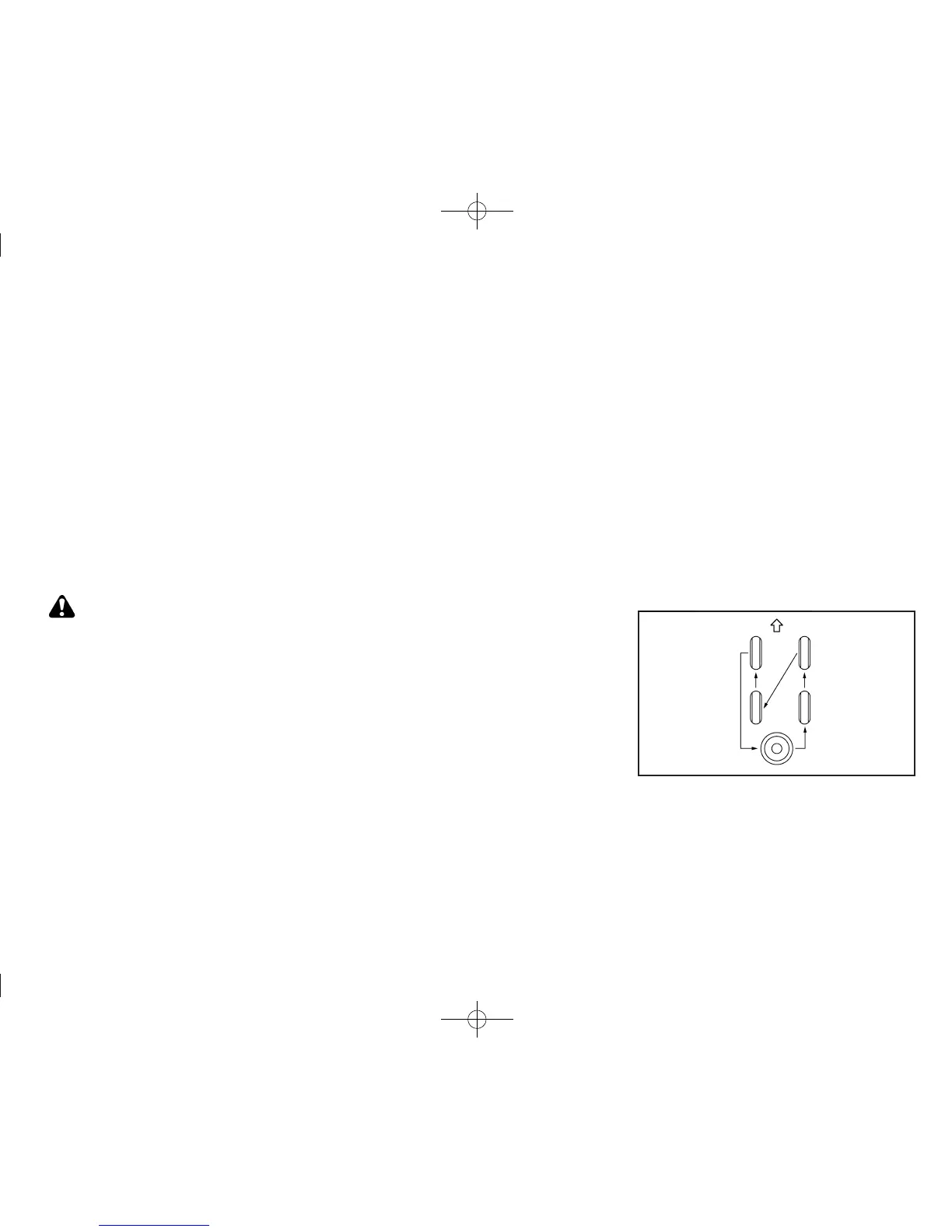
TIRE ROTATION
GUID-00A341A2-5AAF-4 257-8424-CA2DAA72B5D6
JVM0142X
NISSAN recommends that tires be rotated every
10,000 km (6,000 miles). However, the timing for tire
rotation may vary according to your driving habits and
the road surface conditions. (See “Flat tire” (P.6-2) for
the tire replacement.)
Maintenance and do-it-yourself 8-31
TIRES AND WHEELS


 To Next Page
 Loading...