Introduction
OCEASOFT Emerald User Guide Page 3
Approvals
FCC statements (FCC part 15 modular qualification – FCC ID: 2AA9B04)
This device complies with Part 15 of the FCC Rules. Operation is subject to the following two
conditions:
(1) This device may not cause harmful interference.
(2) This device must accept any interference received, including interference that
may cause undesired operation.
FCC Caution
Any changes or modifications to this equipment not expressly approved by OCEASOFT may
cause, harmful interference and void the FCC authorization to operate this equipment.
FCC RF Radiation Exposure Statement:
This equipment complies with FCC radiation exposure limits set forth for an uncontrolled
environment. End users must follow the specific operating instructions for satisfying RF
exposure compliance. This transmitter must not be co-located or operating in conjunction
with any other antenna or transmitter.
IC Statements (Industry Canada RSS-210 modular qualification – IC: 12208A-04)
This device complies with Industry Canada license-exempt RSS standard(s). Operation is
subject to the following two conditions: (1) this device may not cause interference, and (2)
this device must accept any interference, including interference that may cause undesired
operation of the device.
Under Industry Canada regulations, this radio transmitter may only operate using an antenna
of a type and maximum (or lesser) gain approved for the transmitter by Industry Canada. To
reduce potential radio interference to other users, the antenna type and its gain should be
so chosen that the equivalent isotropically radiated power (e.i.r.p.) is not more than that
necessary for successful communication.
CE
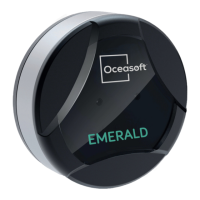
OCEASOFT Emerald (Bluetooth component BMD-300) is compliant with the essential
requirements and other relevant requirements of the following standards and/or normative
documents.
• Directives:
o 2014/53/EU Radio Equipment Directive (RED)
o 2014/30/EU EMC Directive
o 2014/35/EU Low Voltage Directive


 To Next Page