EasyManua.ls Logo

Onkyo T-9090 - Page 3

Onkyo T-9090
20 pages
Print Icon
To Next Page IconTo Next Page
To Previous Page IconTo Previous Page
Loading...
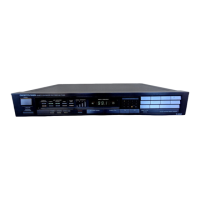
Front
Panel
Facilities
|
ical
[>
Notes:
The
front
panel
design
differs
slightly
depending
on
the
market
for
which
each
unit
was
manufactured.
20
1
1
17
(16 (15
(14)
13)
(12)
COMPUTER
CONTROLLED
APR
SYSTEM
Power
Switch
(POWER)
Depress
once
to
turn
power
on
and
once
again
to
turn
power
Off.
Touch
Tone
Off
Switch
(TOUCH
TONE)
A
beeping
tone
is
emitted
each time
power
is
turned
on,
a
different
radio
broadcast
is
received,
a
reception
mode
is
changed
by
the
APR
system,
a
station
is
tuned
using
a
preset
key
and
when
the
frequency/signal
strength
display
selector
is
held
down
for
more
than
two
seconds.
Use
this
switch
to
turn
the
tone
off
when
not
needed.
Shift
Key
(SHIFT)
The
preset
keys
[4]
can
be
used
to
store
a
total
of
20
radio
stations.
Use
this
key
to
switch
the
preset
keys
between
the
memory
channel
1-10
mode
and
the
memory
channel
11-20
mode.
The
setting
switches
between
1-10
and
11-20
each
time
this
key
is
pressed.
When
power
is
turned
on,
the
setting
is
the
same
as
when
power
was
last
turned
off.
No
preset
indicator
[5]
lights
until
one
of
the
preset
keys
[4]
is
pressed.
Therefore,
when
calling
a
station
stored
in
the
memory,
first
press
one
of
the
preset
keys
4
and
then
press
the
shift
key
to
switch
to
the
opposite
mode
(1-10
or
11-20)
if
desired.
Be
sure
to
confirm
the
present
shift
key
mode
before
pressing
a
preset
key
to
store
a
radio
broadcast
in
the
memory.
[4][5]
Preset
Keys
and
Indicators
(PRESET
STATION)
Use
these
keys
to
recall
an
FM
station
or to
store
a
station
In
the
memory.
When
a
key
is
pressed,
the
corresponding
indicator
will
light
up,
The
indicators
also
flash
on
and
off
during
preset
scan
operation.
Refer
to
the
Memory
section
for
details.
IF
Bandwidth
Selector
(APR
CONTROL:
IF)
The
APR
system
automatically
switches
the
IF
bandwidth
to
wide,
narrow
or
super
narrow
according
to
the
quality
of
the
signal
being
received,
Press
the
IF
bandwidth
selector
to
change
the
bandwidth
to
a
setting
other
than
that
set
by
the
APR
system
if
desired.
The
IF
setting
goes
from
wide
to
narrow,
super
narrow
and
then
back
to
wide
each
time
this
selector
's
pressed.
The
current
setting
is
shown
by
1F
BAND
APR
indicator
[20
.
RF
Mode
Selector
(APR
CONTROL:
RF)
The
APR
system
automatically
sets
the
gain
of
the
RF
section
to
DX
or
LOCAL
according
to
the
quality
of
the
signal
being
received.
Press
the
RF
mode
selector
to
change
the
setting
to
the
opposite
setting
selected
by
the
APR
system
if
desired.
The
current
setting
is
shown
by
the
RF
APR
indicator
20
.
Memory
Key
and
Indicator
(MEMORY)
Depress
this
key
to
place
a
station
in
the
memory
using
the
preset
keys
(4).
When
this
key
is
depressed,
the
indicator
lights
for
about
5
seconds.
While
the
indicator
is
lit,
depress
one
of
the
preset
keys.
The
indicator
for
the
depressed
preset
key
will
light
up
and
the
memory
indicator
will
go
out
to
indicate
that
memory
operation
has
been
completed.
Another
memory
indicator
located
in
the
multi
digital
display
20
also
lights
at
the
same
time.
ā€˜9
Tuning
Selector
Buttons
(DOWN-TUNING-UP)
DOWN:
Press
to
lower
the
reception
frequency.
UP:
Press
to
raise
the
reception
frequency.
e@
Using
the
Tuning
Selector
Buttons
(Manual
Mode)
First,
press
the
tuning
mode
switch
7
to
set
the
unit
to
the
manual
tuning
mode
(MANUAL
function
indicator
118)
lights).
When
the
tuning
selector
is
held
down,
the
tuned
frequency
will
increase
or
decrease
continuously.
To
tune
in
a
station,
press
either
tuning
selector
until
you
are
near
the
frequency
of
the
desired
station.
Then,
after
releasing
the
tuning
selector,
press
again
to
change
the
frequency
in
single
steps
until
the
desired
station
is
precisely
tuned.
Pressing
once
changes
the
frequency
50kHz.
e@
Using
the
Tuning
Selector
Buttons
(Auto
Mode)
First,
press
the
tuning
mode
switch
7)
to
set
the
unit
to
the
auto
tuning
mode
(AUTO
function
indicator
18
lights).
Then
press
either
tuning
selector
once;
there
is
no
need
to
keep
the
selector
depressed
as
in
the
manual
tuning
mode.
The
tuned
frequency
will
continue
to
increase
or
decrease
until
a
broadcast
of
sufficient
strength
is
reached.
To
move
On
to
the
next
broadcast,
press
the
UP
or
DOWN
tuning
selector
again.
When
the
upper
or
lower
end
of
the
frequency
range
is
reached,
the
displayed
frequency
will
switch
to
the
opposite
side
of
the
range
and
continue
moving
in
the
same
direction.
For
example,
when
the
DOWN
tuning
selector
is
held
down,
the
frequency
will
decrease
until
the
lowest
frequency
is
reached
and
then
continue
decreasing
from
the
highest
frequency.
_—S—
Frequency
range
——>
Lower
limit
Upper
limit
When
DOWN
tuning
selector
is
held
down.
Scanning
will
not
stop
for
broadcasts
weak
enough
to
be
suppressed
by
the
muting
circuit.
To
receive
a
weak
FM
broadcast,
set
the
muting
switch
14
to
the
off
setting
and
the
tuning
mode
switch
17
to
the
manual
mode
to
tune
in
the
broadcast
manually.
The
signal
strength
of
stations
below
which
scanning
does
not
stop
in
the
auto
tuning
mode
is
set
using
the
tuning
level
selector
110)
.
The
tuning
level
is
shown
in
the
digital
display
21
and
is
changed
progressively
among
the
three
settings
(17dB/27dB/37dB)
each
time
the
tuning
level
selector
{10}
is
pressed.
Be
sure
the
tuning
level
is
set
to
the
proper
point
for
your
area
before
using
the
auto
tuning
mode.
Otherwise,
auto
tuning
may
not
stop
for
a
broadcast
you
want
to
hear.
10
Tuning
Level
Selector
(TUNING
LEVEL)
Each
time
this
selector
is
pressed,
the
tuning
level
is
switched
from
17dB
to
27dB,
37dB
and
then
back
to
17dB
again.
Use
the
37dB
setting
if
there
are
a
lot
of
strong
FM
broadcasts
in
your

Related product manuals