EasyManua.ls Logo

Otodynamics Otoport DP+TE OAE - User Manual

Default Icon
228 pages
Print Icon
To Next Page IconTo Next Page
Loading...
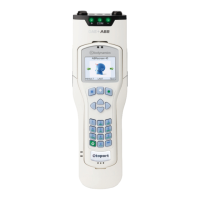
Otoport OAE
+
ABR
User Manual for Otoport DP+TE models
Including: DP Clinical, DP Clinical Flexi, DP+TE and Otoport Flexi
Otoport OAE+ABR
Otoport DP+TE models
Issue 5

Table of Contents

Question and Answer IconNeed help?

Do you have a question about the Otodynamics Otoport DP+TE OAE and is the answer not in the manual?

Summary

Introduction

1.1 Intended Use

Defines the device's purpose for screening hearing disorders objectively and non-invasively, especially for infants.

1.3 General Use Precautions

Outlines critical safety measures, electrode handling, patient protection, and device maintenance for safe operation.

Getting Started

3.1 Assembling ABR Module

Provides step-by-step instructions for physically attaching the ABR module to the Otoport unit.

3.4 Connecting Probes and Electrodes

Details the process of connecting the OAE probe and ABR electrodes to the device's ports.

3.8 Connecting the Probe

Provides detailed instructions and diagrams for correctly connecting the OAE probe to the Otoport's probe socket.

Switching On

Test Preparation

5.1 General Pre-Test Checks

Lists essential pre-test checks, including device charge, weekly checks, room conditions, and patient comfort.

5.2 ABR Environment Checks

Guides on preparing the testing environment for ABR, focusing on minimizing electrical interference and planning setup.

5.3 Probe Tip Selection and Fitting

Explains the importance of proper probe tip selection and fitting for successful OAE recordings and ear canal sealing.

5.4 Electrode Fitting Procedure

Details the process of preparing the skin and correctly placing electrodes for ABR testing to ensure good connection.

Test Troubleshooting

6.1 OAE Test Problem Solving

Addresses common issues encountered during OAE testing, such as probe fit, debris, and ambient noise.

6.2 ABR Test Problem Solving

Covers troubleshooting for ABR tests, including high impedance, myogenic activity, and environmental noise issues.

Test Selection

7.4 Checkfit Procedure

Details the Checkfit procedure, which assesses the testing environment, probe fit, and noise levels before starting a test.

DPOAE Test

8.1 DP Stimulus Calibration

Explains the process of calibrating stimulus tone levels to account for individual ear canal acoustics before DPOAE testing.

8.3 DPOAE Test Stop Reasons

Lists the possible reasons a DPOAE test may stop automatically or manually, such as AutoStop or Test Timeout.

8.4 DPOAE Test Results Interpretation

Explains the interpretation of DPOAE test results, including Pass, No Valid OAE, Noisy, and Poor Probe Fit outcomes.

TEOAE Test

9.1 TE Stimulus Adjustment

Details the automatic adjustment of stimulus levels for TEOAE tests and troubleshooting for issues like noise or poor probe fit.

9.3 TEOAE Test Stop Reasons

Outlines the various conditions under which a TEOAE test can stop, including AutoStop, maximum sweeps, and timeouts.

9.4 TEOAE Test Results Interpretation

Explains the interpretation of TEOAE test results, such as Pass, No Valid OAE, Noisy, and Poor Probe Fit.

ABR Test

10.1 Impedance Check Procedure

Describes the impedance check procedure for electrodes, assessing connection quality and noise levels for ABR testing.

10.2 ABR Checkfit Procedure

Explains the Checkfit process for ABR tests, including its use with or without ear cups to ensure optimal conditions.

10.4 ABR Test Operation

Describes the ABR test process, including stimulus delivery, response detection, and screen progress indicators.

Saving the Test

11.1 Quick Save Option

Explains the Quick Save feature and its impact on test result saving, patient detail entry, and review options.

Work List Management

Configuration Settings

15.1 Performing Quality Tests

Explains how to perform probe and cable tests to check instrument performance and detect potential faults.

15.2 Test Settings Configuration

Covers configuring test modes (Screen/Clinical), general settings, and test-specific parameters like pass criteria.

Printing and Downloading

Quality Tests

17.1 Probe Test Procedure

Explains how to perform a probe test to check its output stimulus level and microphone response against stored values.

17.2 ABR Cable Test Procedure

Details the process of testing ABR electrode cable continuity using the cable tester.

17.3 Cavity Test Procedure

Guides on performing OAE tests in a cavity to identify potential faults in the probe or system generating signals.

17.4 Occlusion Test Procedure

Describes the Occlusion Test to verify correct probe assembly and functioning by blocking sound leakage.

17.5 Real Ear Test Procedure

Explains how to test with a known good ear to check data reproducibility and troubleshoot OAE recording issues.

Probe Care

19.3 Probe Safety Precautions

Emphasizes the critical importance of using Otodynamics disposable tips to prevent ear injury and ensure accurate measurements.

Care of the Otoport

Power Management

21.5 Charging the Otoport

Provides instructions on how to charge the Otoport using the supplied charger or a PC connection.

Equipment Troubleshooting

22.1 Otoport Lock-up Resolution

Provides steps to resolve Otoport lock-up issues, including forced restart procedures.

22.4 Instrument Fault Message Handling

Describes the 'Instrument Fault' message, its potential causes (e.g., probe connection), and troubleshooting steps.

22.5 Hardware Fault Message Interpretation

Explains hardware fault messages, error codes, and actions to take if faults persist, such as contacting support.

Obtaining Service and Support

Calibration Procedures

Mode of Operation

Summary

Introduction

1.1 Intended Use

Defines the device's purpose for screening hearing disorders objectively and non-invasively, especially for infants.

1.3 General Use Precautions

Outlines critical safety measures, electrode handling, patient protection, and device maintenance for safe operation.

Getting Started

3.1 Assembling ABR Module

Provides step-by-step instructions for physically attaching the ABR module to the Otoport unit.

3.4 Connecting Probes and Electrodes

Details the process of connecting the OAE probe and ABR electrodes to the device's ports.

3.8 Connecting the Probe

Provides detailed instructions and diagrams for correctly connecting the OAE probe to the Otoport's probe socket.

Switching On

Test Preparation

5.1 General Pre-Test Checks

Lists essential pre-test checks, including device charge, weekly checks, room conditions, and patient comfort.

5.2 ABR Environment Checks

Guides on preparing the testing environment for ABR, focusing on minimizing electrical interference and planning setup.

5.3 Probe Tip Selection and Fitting

Explains the importance of proper probe tip selection and fitting for successful OAE recordings and ear canal sealing.

5.4 Electrode Fitting Procedure

Details the process of preparing the skin and correctly placing electrodes for ABR testing to ensure good connection.

Test Troubleshooting

6.1 OAE Test Problem Solving

Addresses common issues encountered during OAE testing, such as probe fit, debris, and ambient noise.

6.2 ABR Test Problem Solving

Covers troubleshooting for ABR tests, including high impedance, myogenic activity, and environmental noise issues.

Test Selection

7.4 Checkfit Procedure

Details the Checkfit procedure, which assesses the testing environment, probe fit, and noise levels before starting a test.

DPOAE Test

8.1 DP Stimulus Calibration

Explains the process of calibrating stimulus tone levels to account for individual ear canal acoustics before DPOAE testing.

8.3 DPOAE Test Stop Reasons

Lists the possible reasons a DPOAE test may stop automatically or manually, such as AutoStop or Test Timeout.

8.4 DPOAE Test Results Interpretation

Explains the interpretation of DPOAE test results, including Pass, No Valid OAE, Noisy, and Poor Probe Fit outcomes.

TEOAE Test

9.1 TE Stimulus Adjustment

Details the automatic adjustment of stimulus levels for TEOAE tests and troubleshooting for issues like noise or poor probe fit.

9.3 TEOAE Test Stop Reasons

Outlines the various conditions under which a TEOAE test can stop, including AutoStop, maximum sweeps, and timeouts.

9.4 TEOAE Test Results Interpretation

Explains the interpretation of TEOAE test results, such as Pass, No Valid OAE, Noisy, and Poor Probe Fit.

ABR Test

10.1 Impedance Check Procedure

Describes the impedance check procedure for electrodes, assessing connection quality and noise levels for ABR testing.

10.2 ABR Checkfit Procedure

Explains the Checkfit process for ABR tests, including its use with or without ear cups to ensure optimal conditions.

10.4 ABR Test Operation

Describes the ABR test process, including stimulus delivery, response detection, and screen progress indicators.

Saving the Test

11.1 Quick Save Option

Explains the Quick Save feature and its impact on test result saving, patient detail entry, and review options.

Work List Management

Configuration Settings

15.1 Performing Quality Tests

Explains how to perform probe and cable tests to check instrument performance and detect potential faults.

15.2 Test Settings Configuration

Covers configuring test modes (Screen/Clinical), general settings, and test-specific parameters like pass criteria.

Printing and Downloading

Quality Tests

17.1 Probe Test Procedure

Explains how to perform a probe test to check its output stimulus level and microphone response against stored values.

17.2 ABR Cable Test Procedure

Details the process of testing ABR electrode cable continuity using the cable tester.

17.3 Cavity Test Procedure

Guides on performing OAE tests in a cavity to identify potential faults in the probe or system generating signals.

17.4 Occlusion Test Procedure

Describes the Occlusion Test to verify correct probe assembly and functioning by blocking sound leakage.

17.5 Real Ear Test Procedure

Explains how to test with a known good ear to check data reproducibility and troubleshoot OAE recording issues.

Probe Care

19.3 Probe Safety Precautions

Emphasizes the critical importance of using Otodynamics disposable tips to prevent ear injury and ensure accurate measurements.

Care of the Otoport

Power Management

21.5 Charging the Otoport

Provides instructions on how to charge the Otoport using the supplied charger or a PC connection.

Equipment Troubleshooting

22.1 Otoport Lock-up Resolution

Provides steps to resolve Otoport lock-up issues, including forced restart procedures.

22.4 Instrument Fault Message Handling

Describes the 'Instrument Fault' message, its potential causes (e.g., probe connection), and troubleshooting steps.

22.5 Hardware Fault Message Interpretation

Explains hardware fault messages, error codes, and actions to take if faults persist, such as contacting support.

Obtaining Service and Support

Calibration Procedures

Mode of Operation

Otodynamics Otoport DP+TE OAE Specifications

General IconGeneral
ModelOtoport DP+TE
ManufacturerOtodynamics
TechnologyOtoacoustic Emissions (OAE)
Testing MethodDPOAE and TEOAE
Frequency Range (DPOAE)1 kHz to 8 kHz
ConnectivityUSB
PowerRechargeable battery
PortabilityPortable
Storage Temperature-20°C to 60°C
TypeOtoacoustic Emissions Analyzer
OAE TypeDistortion Product OAE (DPOAE) and Transient Evoked OAE (TEOAE)
StimulusClick (TEOAE), Two Tones (DPOAE)
DisplayLCD
Data StorageInternal memory
Power SupplyAC adapter

Related product manuals