13
12
Ozonewouldliketoremindyouthatthefollowingmanoeuvresshouldbelearntunderthesupervisionof
aqualiedinstructorandalwaysusedwithcaution.Neverforgetthatproperlyanalysing the conditions
beforelaunchwillhelpavoidtheneedtousethesetechniques.
Big Ears
Foldinginthewingtipsincreasesthesinkratewithoutradicallychangingtheairspeed.Thisisusefulfor
stayingoutofcloudordescendingquicklythroughtheliftbandofthehill,forexamplewhentoplanding.
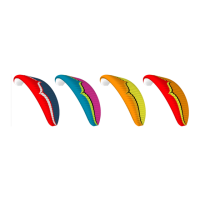
TopullBigEars,keepholdofyourbrakehandlesandtaketheoutermostA-lineoneachside,thenpullout
anddown(preferablyoneatatime)untilthewingtipsfoldunder.TheOuterAlineisattachedtotheBaby
Ariser,makingidenticationanduseofthebigearsystemeasier.ThesizeoftheBigEarscanbeadjusted
bypullingmoreline,orreachinghigheruptheline.FordirectionalcontrolwhileusingtheBigEars,you
shoulduseweight shift.Toreopen the ears,releaseboth A linesatthe sametime.To help reination,
brakegentlyonesideatatimeuntiltipsregainpressure.Avoiddeepsymmetricapplicationsofthebrake
asthiscouldaccidentlyinduceparachutalorfullstalls.
YoumayuseBigEarsforthenallandingapproachbuttheyshouldbereleasedbeforemakingthenal
are.Ozoneadvisetonotusethistechniqueinturbulentorwindyconditionsduetothereducedabilityto
yactivelyandtheriskofaninadvertentstallwhilstdescendingthroughthewindgradient.
Oncethebigearsareengagedyoucanfurtherincreasethesinkratebypushingontheacceleratorbar,
howeverNEVERtrytopulltheBigEarsiniftheacceleratorisalreadypushed.Thelowerangleofattack
andtheactofdeatingthe tips canlead toamajordeation.Alwaysmakethe Big Ears rstandthen
applythespeedbar.
WhilstitispossibletoenteraspiraldivewhilstholdinginBigEars,thehighforcesappliedtothelower
linescouldexceedthebreakingstrainofthelinesleadingtoequipmentfailure!
Ozone strongly recommend to NOT perform Spiral Dives with Big Ears engaged.
IMPORTANT
Induce Big ears one
side at a time.
NEVER induce Big
Ears in accelerated
ight, this can lead
to a major deation.
Always pull the Big
Ears rst and then
apply the speed bar.
DO NOT perform spiral
dives with Big Ears
engaged.
B-Line Stall
B-stallisforfastdescentsinemergencysituationsonly,sinkratesofaround6m/scanbeachieved.Itis
howeverfasterandsafertolosealtitudewithaspiraldivethanaB-stall.
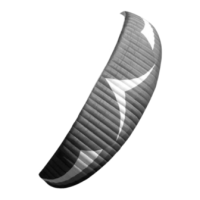
ToinitiatetheB-stall,keepthebrakesinyourhandandtakeholdofboththeBrisersnearthemaillons.
Pulldownrmly -thereisalotofpressuresoitrequiresa reasonablyamountofforce.Asyoupullthe
B-linestheairowoverthewingisbrokenandthegliderlosesitsforwardspeedbutremainsopenwith
a reduced cord. Once the wing is in B stall, maintain your position. Make sure to pull symmetrically
otherwisethewingcanrotateduringtheBstall,ifthisoccurspulltheoppositesidetostoptherotation
orreleasetheBriserstoresumenormalight.IfyoupulltoomuchB-linetheglidermayhorseshoeand
movearoundalot.Ifthisoccurs,slowlyreleasetheBlinesuntilthewingstabilisesorsimplyexittheB
linestallbyimmediatelyreleasingtheBrisers.DonotattempttomaintainaBlinestallthatisnotstable.
ToexittheB-stalltheB-risersshouldbereleasedsymmetricallyandinonesmooth,progressivemotion.
Theglider willresume normalforward ightwithout further input. Check you have forwardight again
beforeusingthebrakes.
Spiral Dives
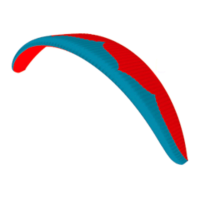
Ifyouturnyourgliderinaseriesoftightening360’sitwillenteraspiraldive.Thiswillresultinrapidheight
loss.Toinitiateaspiral,lookandleanintothedirectionyouwanttogo,thensmoothlyandprogressively
pulldownontheinsidebrake.TheRush5willrstturnalmost360degreesbeforeitdropsintothespiral.
Onceinthespiralyoushouldre-centreyourweightshiftandapplyalittleoutsidebraketokeeptheouter
wingtippressuredandinated.
Safedescentratesofmorethan8m/s(1600ft/minapprox.)arepossibleinaspiraldive,butattheserates
theassociatedhighspeeds and g-forcescanbedisorientating.Alwayspay particular attentiontoyour
altitude.Toexitthespiraldive,smoothlyweightshiftintheoppositedirectionofthespiralandsmoothly
releasetheinsidebrake.AstheRush5deceleratesallowittocontinuetoturnuntilenoughenergyislost
forittoreturntolevelightwithoutanexcessiveclimbandsurge.
I
MPORTANT
The pitching movement
on exiting the B stall is
small but necessary.
We recommend you do
not brake the glider
until you are sure that
the glider is ying
properly
again.
IMPORTANT
Always be prepared
to pilot the wing out
of a spiral dive. Use
opposite weight shift
and apply enough
outside brake to
stop the wing from
spiralling.


 To Next Page
 Loading...