EasyManua.ls Logo

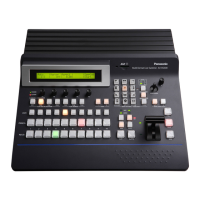
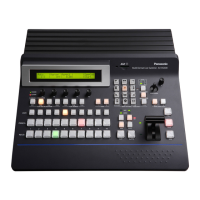
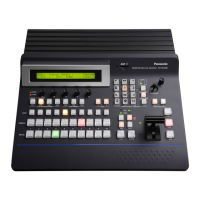
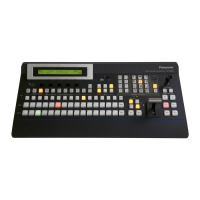
Panasonic AV-HS400AN - User Manual

Panasonic AV-HS400AN
122 pages
Print Icon
To Next Page IconTo Next Page
Loading...
POWER
ALARM
F1 F2 F3 F4 F5
KEY DSK PinP AUX CLN PVW PGM 1 2
USERAUX SOURCEAUX BUS DELEGATION
1 2 3 4 5 6 7 8 9 10
AUX
PGM/A
PST/B
BKGD PATT
KEY PATT
FUNC N/R R
WIPE DIRECTIONWIPE PATTERN / FUNCTION
ON
WIPE SQ
SL 3D
POSITIONER
Z
ON
FTB
PinP
DSKCUT AUTO
MIX WIPE
BKGD KEY
MIX
WIPE
PAGE
AMB:FILL / GRN:SOURCE
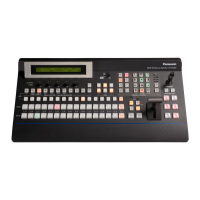
Multi-format Live Switcher AV-HS400A
11
TIME WIPE COLOR
KEY CHR KEY FREEZE
DSK PinP IN/OUT
MEMORY XPT SYSTEM
1 2 3
4 5 6
7 8 9
10 12
Operating Instructions
Multi-format Live Switcher
Model No. AV-HS400AN
Before operating this product, please read the instructions carefully and save this manual for
future use.
Printed in Japan VQTB0342

Table of Contents

Question and Answer IconNeed help?

Do you have a question about the Panasonic AV-HS400AN and is the answer not in the manual?

Summary

Safety Precautions

General Safety Warnings

Covers CAUTION, WARNING, and FCC compliance notices for safe operation.

Important Safety Instructions

Lists crucial instructions for safe operation, handling, and maintenance.

1. Functions in Each Area

1-1. Control Panel

Describes the main control panel layout, power, and alarm indicators.

1-6. LCD Menu Area

Explains the LCD screen for menu navigation and parameter adjustment.

1-9. Rear Panel Connections Area

Illustrates and describes the various input and output connectors on the rear panel.

External Interfaces and Power

Covers LAN, RS-422, GPI, Tally connectors, ground, and AC power connections.

2. System

2-1. Configuration

Shows the system configuration diagram and lists optional boards.

2-2. Connections (Gen-lock OFF)

Illustrates connection examples for gen-lock operation with frame synchronizer off.

2-2. Connections (Gen-lock ON)

Illustrates connection examples for gen-lock operation with frame synchronizer on.

3. Basic Operations

3-1. Background Transition

Explains selecting background sources and bus modes for transitions.

3-1-1. Selecting the Bus

Details selecting source signals for background transitions using crosspoint buttons.

3-1-2. Selecting the Bus Mode

Describes how to choose between A/B and Flip-flop (PGM/PST) bus modes.

3-1-3. Selecting Transition Mode

Explains how to choose between MIX and WIPE transition modes.

3-1-4. Manual Transition (Fader Lever)

Details using the fader lever for manual transitions and understanding tally LEDs.

3-1-5. Auto Transition

Explains how to set and execute automatic transitions using the AUTO button.

3-1-6. Cut Transition

Describes how to perform an instant cut transition.

3-2. Wipe

Introduces wipe operations and pattern selection.

3-2-1. Selecting Wipe Patterns

Guides on selecting wipe patterns using buttons and pattern pages.

3-2-2. Selecting Wipe Direction

Explains how to set the direction (normal/reverse) for wipe transitions.

3-3. Key

Introduces key operations, including definition and edge addition.

3-3-1. Selecting the Key Type

Details how to select Luminance, Linear, Chroma, or Full key types.

3-3-2. Selecting Key Material

Explains how to select key fill and source signals, and set fill matte color.

3-3-3. Key Transitions

Guides on setting key transition types, time, and direction.

3-3-5. Adjusting Luminance and Linear Key

Details how to adjust key definition parameters like clip, gain, and density.

3-3-6. Adjusting Chroma Key

Explains how to set up and adjust chroma key parameters using auto sampling.

3-3-6. Adjusting Chroma Key (cont.)

Continues chroma key adjustment with Hue-Rad, Sat-Rad, Soft, and Cancel parameters.

3-4. PinP (Picture in Picture)

Introduces combining a sub-screen image with the background.

3-4-1. Selecting PinP Material

Explains how to select the source signal for the PinP image.

3-4-2. PinP Transitions

Details setting transition times and executing PinP fade-in/fade-out.

3-4-4. PinP Adjustments

Covers adjusting PinP position, size, and dot-by-dot mode.

3-5. DSK (Downstream Key)

Introduces combining images using downstream key effects.

3-5-1. Selecting DSK Type

Explains how to choose between Luminance and Linear DSK types.

3-5-2. Selecting DSK Material

Covers selecting DSK fill and source signals, and setting fill matte color.

3-5-3. DSK Transitions

Details setting transition times and executing DSK fade-in/fade-out.

3-5-5. DSK Adjustments

Explains how to adjust DSK definition parameters like clip, gain, and density.

3-6. FTB (Fade to Black)

Describes how to fade the program image to black or fade in from black.

3-10. Preset Memory

Describes storing and recalling panel settings like crosspoint, transition, and wipe configurations.

Preset Memory Operations (Store, Recall, Clear)

Explains how to store, recall, and clear panel settings in the preset memory.

4. Input;Output Signal Settings

4-1. Setting SDI and Analog Input Signals

Covers configuration of SDI and analog input signals.

4-1-1. Setting the Frame Synchronizer

Explains how to enable or disable the frame synchronizer for each input.

4-1-2. Setting the Input Mode

Details selecting input modes (Normal, D by D, UC, Auto) for different signal formats.

5. System Settings

6. External Interfaces

7. Image Transmission Functions

8. Setting Menu Table

10. Specifications and Standard Accessories

Summary

Safety Precautions

General Safety Warnings

Covers CAUTION, WARNING, and FCC compliance notices for safe operation.

Important Safety Instructions

Lists crucial instructions for safe operation, handling, and maintenance.

1. Functions in Each Area

1-1. Control Panel

Describes the main control panel layout, power, and alarm indicators.

1-6. LCD Menu Area

Explains the LCD screen for menu navigation and parameter adjustment.

1-9. Rear Panel Connections Area

Illustrates and describes the various input and output connectors on the rear panel.

External Interfaces and Power

Covers LAN, RS-422, GPI, Tally connectors, ground, and AC power connections.

2. System

2-1. Configuration

Shows the system configuration diagram and lists optional boards.

2-2. Connections (Gen-lock OFF)

Illustrates connection examples for gen-lock operation with frame synchronizer off.

2-2. Connections (Gen-lock ON)

Illustrates connection examples for gen-lock operation with frame synchronizer on.

3. Basic Operations

3-1. Background Transition

Explains selecting background sources and bus modes for transitions.

3-1-1. Selecting the Bus

Details selecting source signals for background transitions using crosspoint buttons.

3-1-2. Selecting the Bus Mode

Describes how to choose between A/B and Flip-flop (PGM/PST) bus modes.

3-1-3. Selecting Transition Mode

Explains how to choose between MIX and WIPE transition modes.

3-1-4. Manual Transition (Fader Lever)

Details using the fader lever for manual transitions and understanding tally LEDs.

3-1-5. Auto Transition

Explains how to set and execute automatic transitions using the AUTO button.

3-1-6. Cut Transition

Describes how to perform an instant cut transition.

3-2. Wipe

Introduces wipe operations and pattern selection.

3-2-1. Selecting Wipe Patterns

Guides on selecting wipe patterns using buttons and pattern pages.

3-2-2. Selecting Wipe Direction

Explains how to set the direction (normal/reverse) for wipe transitions.

3-3. Key

Introduces key operations, including definition and edge addition.

3-3-1. Selecting the Key Type

Details how to select Luminance, Linear, Chroma, or Full key types.

3-3-2. Selecting Key Material

Explains how to select key fill and source signals, and set fill matte color.

3-3-3. Key Transitions

Guides on setting key transition types, time, and direction.

3-3-5. Adjusting Luminance and Linear Key

Details how to adjust key definition parameters like clip, gain, and density.

3-3-6. Adjusting Chroma Key

Explains how to set up and adjust chroma key parameters using auto sampling.

3-3-6. Adjusting Chroma Key (cont.)

Continues chroma key adjustment with Hue-Rad, Sat-Rad, Soft, and Cancel parameters.

3-4. PinP (Picture in Picture)

Introduces combining a sub-screen image with the background.

3-4-1. Selecting PinP Material

Explains how to select the source signal for the PinP image.

3-4-2. PinP Transitions

Details setting transition times and executing PinP fade-in/fade-out.

3-4-4. PinP Adjustments

Covers adjusting PinP position, size, and dot-by-dot mode.

3-5. DSK (Downstream Key)

Introduces combining images using downstream key effects.

3-5-1. Selecting DSK Type

Explains how to choose between Luminance and Linear DSK types.

3-5-2. Selecting DSK Material

Covers selecting DSK fill and source signals, and setting fill matte color.

3-5-3. DSK Transitions

Details setting transition times and executing DSK fade-in/fade-out.

3-5-5. DSK Adjustments

Explains how to adjust DSK definition parameters like clip, gain, and density.

3-6. FTB (Fade to Black)

Describes how to fade the program image to black or fade in from black.

3-10. Preset Memory

Describes storing and recalling panel settings like crosspoint, transition, and wipe configurations.

Preset Memory Operations (Store, Recall, Clear)

Explains how to store, recall, and clear panel settings in the preset memory.

4. Input;Output Signal Settings

4-1. Setting SDI and Analog Input Signals

Covers configuration of SDI and analog input signals.

4-1-1. Setting the Frame Synchronizer

Explains how to enable or disable the frame synchronizer for each input.

4-1-2. Setting the Input Mode

Details selecting input modes (Normal, D by D, UC, Auto) for different signal formats.

5. System Settings

6. External Interfaces

7. Image Transmission Functions

8. Setting Menu Table

10. Specifications and Standard Accessories

Panasonic AV-HS400AN Specifications

General IconGeneral
TypeVideo Switcher
Audio MixingYes
Video Inputs4 x HD/SD-SDI, 4 x HDMI
Video Outputs4 x HD/SD-SDI, 1 x HDMI
Audio Outputs2 x XLR
EffectsTransitions
ControlEthernet RS-422
Format SupportHD/SD
Weight10 kg

Related product manuals