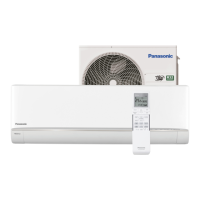
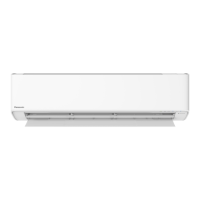
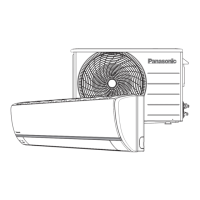
Why does mist emerge from my Panasonic CS-HZ25WKE Air Conditioner indoor unit?
- KkennedyernestSep 9, 2025
The mist emerging from the indoor unit of your Panasonic Air Conditioner is a condensation effect due to the cooling process.
Why does mist emerge from my Panasonic CS-HZ25WKE Air Conditioner indoor unit?
The mist emerging from the indoor unit of your Panasonic Air Conditioner is a condensation effect due to the cooling process.
What to do if my Panasonic CS-HZ25WKE Air Conditioner remote control does not work?
If your Panasonic Air Conditioner remote control isn't working, first, ensure the batteries are inserted correctly. If the display is dim or the signal is weak, try replacing the batteries with new ones.
What to do if my Panasonic CS-HZ25WKE unit does not work?
If your Panasonic Air Conditioner unit isn't working, check to see if the circuit breaker has tripped. Also, verify that no timers have been set that might be preventing the unit from turning on.
Why does my Panasonic Air Conditioner outdoor unit emit water or steam?
The emission of water or steam from the outdoor unit of your Panasonic Air Conditioner is due to condensation or evaporation occurring on the pipes.
Why is my Panasonic Air Conditioner TIMER indicator is always on?
The TIMER indicator on your Panasonic Air Conditioner remains on because the timer setting repeats daily once it has been set.
What is the soft buzzing sound from my Panasonic CS-HZ25WKE indoor unit during nanoe™X operation?
The soft buzzing sound from the indoor unit of your Panasonic Air Conditioner during nanoe™X operation is normal when the nanoe™X generator is working. If you are concerned about the sound, you can cancel the nanoe™X operation.
Why is my Panasonic CS-HZ25WKE Wireless LAN LED stays ON during unit turn OFF?
If the Wireless LAN LED stays ON even after your Panasonic Air Conditioner is turned off, it means the unit’s LAN connection with the router is activated.
Why does my Panasonic CS-HZ25WKE have discoloration of some plastic parts?
Discoloration of some plastic parts in your Panasonic Air Conditioner is subject to the material types used in those parts and is accelerated when exposed to heat, sunlight, UV light, or environmental factors.
Why does my Panasonic Air Conditioner make water flowing sound during operation?
The water flowing sound you hear during the operation of your Panasonic Air Conditioner is due to the refrigerant flow inside the unit.
Why does my Panasonic CS-HZ25WKE indoor fan stops occasionally during heating operation?
The indoor fan in your Panasonic Air Conditioner stops occasionally during heating operation to avoid unintended cooling effect.
Provides a quick overview of setting up the remote control and clock.
Explains how to start, stop, select modes, and set temperature.
Details essential safety warnings, cautions, and guidelines for safe operation and installation.
Explains symbols for warnings, cautions, prohibitions, and compulsory actions.
Covers safety rules for unit operation, remote control, and power supply connections.
Details unit handling cautions and introduces R32 refrigerant safety.
Outlines specific safety measures for R32 refrigerant installation and handling.
Addresses safe placement of refrigerating circuits and ventilation requirements.
Defines installation space needs and qualifications for service personnel.
Covers safety procedures for work, leak detection, fire prevention, and ventilation.
Details checks for refrigerating equipment and electrical devices during maintenance.
Addresses safety for component repairs, cabling, and detection of flammable refrigerants.
Explains acceptable leak detection methods and refrigerant removal procedures.
Outlines procedures for charging refrigerant and decommissioning the unit.
Details cylinder handling, equipment labelling, and refrigerant recovery processes.
Covers indicator lights, airflow, fan speed, temperature control, and special features.
Explains indicator lights, airflow direction, and fan speed adjustments.
Details reaching temperature quickly and using maintenance heating modes.
Covers nanoe X, network connection, and setting timers for operation.
Explains operation modes, temperature settings, airflow, auto-restart, and operating conditions.
Describes operation modes and provides energy-saving temperature recommendations.
Explains airflow direction control and the auto-restart function.
Presents the table of operating conditions for the air conditioner.
Provides guidance on cleaning the indoor unit, outdoor unit, filters, and front panel.
Outlines essential precautions before and during cleaning the unit.
Guides on cleaning the indoor unit, outdoor unit, air filters, and front panel.
Helps diagnose and resolve common issues, including error codes and non-serviceable conditions.
Lists symptoms that do not indicate malfunction and their potential causes.
Provides checks before service, remote control problems, and indicator brightness.
Identifies conditions requiring professional service and how to retrieve error codes.
Contains important information regarding product disposal, symbols, and biocidal product details.
Explains proper disposal of waste and the meaning of product symbols.
Details the biocidal product incorporated in the air conditioner and its function.
Provides a quick overview of setting up the remote control and clock.
Explains how to start, stop, select modes, and set temperature.
Details essential safety warnings, cautions, and guidelines for safe operation and installation.
Explains symbols for warnings, cautions, prohibitions, and compulsory actions.
Covers safety rules for unit operation, remote control, and power supply connections.
Details unit handling cautions and introduces R32 refrigerant safety.
Outlines specific safety measures for R32 refrigerant installation and handling.
Addresses safe placement of refrigerating circuits and ventilation requirements.
Defines installation space needs and qualifications for service personnel.
Covers safety procedures for work, leak detection, fire prevention, and ventilation.
Details checks for refrigerating equipment and electrical devices during maintenance.
Addresses safety for component repairs, cabling, and detection of flammable refrigerants.
Explains acceptable leak detection methods and refrigerant removal procedures.
Outlines procedures for charging refrigerant and decommissioning the unit.
Details cylinder handling, equipment labelling, and refrigerant recovery processes.
Covers indicator lights, airflow, fan speed, temperature control, and special features.
Explains indicator lights, airflow direction, and fan speed adjustments.
Details reaching temperature quickly and using maintenance heating modes.
Covers nanoe X, network connection, and setting timers for operation.
Explains operation modes, temperature settings, airflow, auto-restart, and operating conditions.
Describes operation modes and provides energy-saving temperature recommendations.
Explains airflow direction control and the auto-restart function.
Presents the table of operating conditions for the air conditioner.
Provides guidance on cleaning the indoor unit, outdoor unit, filters, and front panel.
Outlines essential precautions before and during cleaning the unit.
Guides on cleaning the indoor unit, outdoor unit, air filters, and front panel.
Helps diagnose and resolve common issues, including error codes and non-serviceable conditions.
Lists symptoms that do not indicate malfunction and their potential causes.
Provides checks before service, remote control problems, and indicator brightness.
Identifies conditions requiring professional service and how to retrieve error codes.
Contains important information regarding product disposal, symbols, and biocidal product details.
Explains proper disposal of waste and the meaning of product symbols.
Details the biocidal product incorporated in the air conditioner and its function.
| Brand | Panasonic |
|---|---|
| Model | CS-HZ25WKE |
| Category | Air Conditioner |
| Language | English |


Loading...