EasyManua.ls Logo

Partner PFRT550 - User Manual

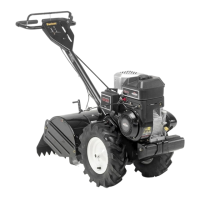
Partner PFRT550
28 pages
Print Icon
To Next Page IconTo Next Page
Loading...
Manuel d’instructions
S’il vous plaît lisez soigneusement et
soyez sûr de comprende ces in struc -
tions avant d’utiliser cette machine.
Manual de las instrucciones
Por favor lea cuidadosamente y com-
prenda estas intrucciones antes de
usar esta maquina.
Manuale di istruzioni
Prima di utilizzare la macchina leggete
queste istruzioni con attenzione ed ac-
certatevi di averle comprese bene.
Instructieboekje
Lees deze instructies aandachtig en
zorg dat u ze begrijpt voordat u deze
ma chine gebruikt.
Instruction manual
Please read these instructions care ful ly
and make sure you un der stand them
before using this ma chine.
Anleitungshandbuch
Bitte lesen Sie diese Anleitungen sorg-
fältig durch und vergewissern Sie sich,
daß Sie diese verstehen, bevor Sie die
Maschine in Betrieb nehmen.
PFRT550
Question and Answer IconNeed help?

Do you have a question about the Partner PFRT550 and is the answer not in the manual?

Overview

The Partner PFRT550 is a motorized rotary cultivator designed for tilling and cultivating soil. It is a robust machine with a single forward speed, featuring a drag action where the rotor blades friction against the soil to propel the machine. For safety, it incorporates an automatic safety cutout, often referred to as a "dead man's control," which stops the engine if the operator releases the handles.

Technical Specifications:

  • Type: Motorized rotary cultivator
  • Weight: 51 kg
  • Engine: 4-stroke, single cylinder, 4.1 KW (approximately 5.5 HP) at 3600 r.p.m. The engine is typically set to operate at 3200 r.p.m.
  • Rotors: 4 blades, 30 cm diameter.
  • Rotor Speed: 118 r.p.m.
  • Working Width: Maximum 61 cm.
  • Working Depth: Maximum 15 cm, measured in cultivated soil.
  • Transport Wheels (Supporting Wheels): 20 cm diameter, mounted in front of the arrester bar.
  • Handlebar: Adjustable.
  • Sound Power Level: 96 dB(A)
  • Noise Level at Operator's Ear: 85 dB(A)
  • Vibration: 4.7 M/S²
  • Manufacturer: HOP, Orangeburg USA.
  • Noise Test: According to DIN EN ISO 3744 / 95-11 on hard ground at 85% of maximum engine speed with operator in place.

Usage Features:

The PFRT550 is designed for ease of use and adaptability to various tilling and cultivating needs.

  • Handlebar Adjustment: The handlebar height can be adjusted by loosening four nuts securing the handle panel to the engine brackets, sliding the panel to the desired location, and then tightening the nuts securely. This allows operators to set a comfortable working height.
  • Depth Stake Installation and Adjustment: The depth stake, which controls the tilling depth, is installed between the engine bracket halves with the stake spring facing down. It is secured with bolts, lock washers, and nuts. The depth stake must move freely; if not, the support bolt should be loosened. To adjust the height of the arrester bar (part of the depth stake mechanism), the cultivator is tipped forwards, the spring cotter pin and locking bolt are removed, and the arrester bar is set to one of three positions. Setting it lower results in deeper tilling, while setting it higher results in shallower tilling. The normal position is the 3rd hole from the top.
  • Tine Arrangement: The outer tines can be assembled in several different ways to achieve different working widths (24" (61 cm) A-B, 22" (56 cm) A-C, or 12" (30 cm)), allowing the user to customize the cultivator for specific tasks or soil conditions.
  • Operating the Cultivator:
    • Speed and Depth Control: The speed of propulsion and depth of cultivation are dependent on the position of the supporting wheels and the arrester bar. The arrester bar should always be lower than the level of the wheels during cultivation. Its function is to slow down the cultivator's movement, allowing the blades to dig into the soil more effectively.
    • Adjusting for Soil Conditions: Lifting the handlebars slightly increases the cultivator's speed and reduces tilling depth. Pressing the handlebars down reduces speed and increases tilling depth. For hard or stony ground, it is advisable to proceed slowly.
    • Cultivating Hard Ground/Peat: For hard ground or peat, it is recommended to cultivate 2-3 times in succession, gradually increasing the depth each time. Always cultivate at right angles to the previously worked direction (cross cultivation).
    • Obstruction Handling: If stones or roots become jammed between the blades and the chain case, the clutch should be released immediately, the engine stopped, the spark plug lead disengaged, and the foreign objects removed to allow the blades to rotate freely.
  • Starting and Stopping the Engine:
    • Before Start: Ensure both clutch levers are disengaged and check the engine oil level.
    • Starting Cold Engine: Move the throttle to "maximum" and the choke to "choke" position. Once the engine starts, slide the choke to "run."
    • Starting Warm Engine: Move the throttle to "maximum" and the choke to "run" position.
    • Engine Start: Start the engine with a quick pull of the recoil starter. Set the desired r.p.m. between "max" and "min."
    • Reverse Drive: The reverse drive clutch lever is on the right-hand handlebar. Squeezing this lever rotates the blades backward, propelling the machine backward. Releasing the clutch immediately stops the blades.
    • Stopping Engine: Push the throttle to the "stop" position. Reduce throttle setting during engine shut down. If the engine has a shut-off valve, turn off the fuel at the end of work.

Maintenance Features:

Regular maintenance is crucial for the safe and efficient operation of the PFRT550.

  • General Maintenance:
    • Always remove the spark plug lead before any repairs, cleaning, or maintenance work.
    • Keep all nuts, bolts, and screws tight to ensure safe operating condition.
    • After a 5-hour running-in period, change the oil and check/tighten all screws and nuts. Subsequently, screws and nuts should be checked at least once a year.
    • Refer to the enclosed motor operating instructions for engine-specific maintenance.
  • Engine Maintenance (refer to engine manual):
    • Clean the air filter.
    • Change the oil each season or after every 25 working hours.
    • Check the spark plug at least every 100 hours.
    • Clean the cooling system and the outside of the engine.
  • Belt Replacement: To change belts, remove the belt cover. Remove the old belt from around the large pulley first, then fit the new belt. The belt cover must be replaced immediately after. Check and adjust the clutch cable if necessary.
  • Storage:
    • Before storing, hose down or clean the machine, avoiding direct water on the engine.
    • For storage longer than a month:
      1. Empty the fuel tank. Run the engine until it stops from lack of fuel.
      2. While the engine is warm, drain the old engine oil and refill with fresh, clean oil.
      3. Remove the spark plug and pour 2-3 tablespoons of engine oil into the spark plug hole. Pull the starter 2-3 times to distribute the oil evenly, then replace the spark plug.
      4. Clean the cooling system and the outside of the engine.
      5. Store the cultivator in a clean, dry place.
    • Never store the equipment with petrol in the tank inside a building where fumes could reach an open flame or spark.
    • Allow the engine to cool before storing in any enclosure.
    • To reduce fire hazard, keep the engine, silencer, battery compartment, and petrol storage area free of vegetative material and excessive grease.
    • Replace worn or damaged parts for safety.
    • If the fuel tank needs to be drained, do so outdoors.

Troubleshooting:

The manual provides a comprehensive troubleshooting guide for common issues such as:

  • Will not start or hard to start: Covers issues like no gasoline, improper throttle or choke settings, clogged fuel tank, dirty air filter, dirty/improperly gapped spark plug, loose wiring, water in fuel, and improper carburetor adjustment.
  • Engine misses or lacks power: Addresses engine overload, clogged fuel tank, partially plugged air cleaner, improper carburetor adjustment, dirty air screen, dirty/improper spark plug, poor compression, and oil in gasoline.
  • Engine overheats: Points to dirty air screen, low/dirty oil, dirty engine, partially plugged muffler, and improper carburetor adjustment.
  • Soil balls up or clumps: Indicates ground that is too wet, recommending waiting for more favorable soil conditions.

This detailed overview ensures that users can effectively operate, maintain, and troubleshoot their Partner PFRT550 cultivator for optimal performance and longevity.

Partner PFRT550 Specifications

General IconGeneral
BrandPartner
ModelPFRT550
CategoryTiller
LanguageEnglish

Related product manuals