EasyManua.ls Logo

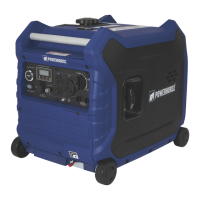
Powerhorse LC4500i - User Manual

Powerhorse LC4500i
74 pages
Print Icon
To Next Page IconTo Next Page
Loading...
1
M792220G.5
Owner’s Manual
Instructions for Installation/Set-up, Operation, Servicing, & Storage
Portable, Outdoor Use-Only, Gasoline Generator
Can be used to power individual appliances plugged directly into the generator’s outlets, or as a back-up
connection to a building’s power supply (via a professionally installed UL-listed transfer switch).
WARNING
READ and UNDERSTAND this manual completely before using the generator! Failure to properly set up,
operate, and maintain this generator could result in serious injury or death from carbon monoxide poisoning,
electric shock, fire/explosion, or burns. Generator has been shipped WITHOUT engine oil, Check the oil level
using the dipstick and add oil as needed. In particular, be aware of the following hazards:
CO Poisoning
Generators give off carbon monoxide, a poisonous gas that can kill you. You CANNOT smell it, see it, or taste it.
ONLY run generator OUTDOORS and AWAY from building air intakes. NEVER run generator inside any enclosed or
semi-enclosed spaces, including homes, basements, garages, sheds, boxes, RVs, boats or pick-up truck beds. These
spaces can trap poisonous gases, EVEN if you run a fan or open windows.
Install carbon monoxide alarms inside nearby structures/buildings (battery-operated, or plug-in with battery backup).
Electric shock / Electrocution
High voltage electricity from generator can kill. DO NOT operate in wet locations. Be sure generator is properly
grounded. Use only UL-listed, outdoor-rated grounded extension cords of proper size.
NEVER plug the generator directly into a wall outlet. ANY connection to a building’s electrical system MUST
ISOLATE THE GENERATOR FROM UTILITY POWER via a UL-listed transfer switch installed by a licensed
electrician. Otherwise, back feed from the generator into the power grid could kill utility workers.
Fire / Explosion
DO NOT overload generator (per rated capacity), and OPERATE ONLY in an area with adequate cooling ventilation so
engine does not overheat. Exhaust can be extremely hot. Keep muffler at least 7 feet from all combustible objects.
All fuels are flammable. Never fuel a running or hot engine. Never pump fuel directly into generator at gas station use
approved container to transfer fuel. Ensure there are no fuel leaks, and keep sources of sparks and flames away.
ALWAYS keep a fire extinguisher rated “ABC” nearby.
STOP!
CHOOSE THE RIGHT GENERATOR FOR YOUR NEEDS. See the “Power Load Planning & Management” section
of this manual to determine your power load requirements and then compare to the generator’s rated capacity.
INSPECT COMPONENTS: Closely inspect to make sure no components are missing or damaged. See the “Unpacking
& Delivery Inspection” section for instructions on whom to contact to report missing or damaged parts.
ARRANGE FOR PROFESSIONAL INSTALLATION of a transfer switch if you will be connecting the generator to
your building’s electrical system. See the “Installation/Initial Set-Up” section for more information about this
requirement.

Any Questions, Comments, Problems, or Parts Orders
Call Powerhorse Product Support 1-866-443-2576
Item Number: 792220
Serial Number: _____________

Questions and Answers

Summary

Owners Manual Introduction and Warnings

Critical Safety Warnings

Highlights hazards like carbon monoxide poisoning, electric shock, fire, and burns.

Hazard Signal Word Definitions

Generator Specifications

Machine Component Identification Diagram

Control Panel Functions Explained

Key Component Operational Details

Additional Component Operational Details

Liquid Crystal Display (LCD) Screen Features

Indicator Lights and Their Meanings

Power Load Planning and Management

Power Load Planning and Management Strategies

Installation and Initial Setup Procedures

Setup Options: Backup vs. Portable Power

Explains connecting the generator as a building backup or a portable power source.

Site Selection for Generator Operation

Ventilation and Clearance Guidelines

Ensuring adequate airflow for cooling and hot exhaust clearance.

Outdoor Operation and CO Hazard

Emphasizes outdoor use only due to dangerous carbon monoxide exhaust.

Generator Grounding Procedure

Generator Operation Procedures Overview

General Safety Rules for Operation

Essential safety guidelines to follow before and during generator operation.

Preparing for Operation

Steps to take before starting the generator, including positioning and grounding.

Operation Safety Rules and Precautions

Hazardous Gas and Condition Warnings

Warnings for carbon monoxide, exhaust dangers, and operating in wet conditions.

Electrical Safety and Fire Hazards

Precautions against electric shock, sparks, and hot surfaces.

Fueling Safety and Static Electricity

Static Electricity and Fueling Hazards

Explains static electricity risks during fueling and necessary precautions.

Preparing for Generator Operation: Oil Check

Check and Add Engine Oil

Detailed steps for checking the oil level and adding oil if necessary.

Preparing for Generator Operation: Fueling

Check and Fill Gasoline Tank

Instructions for safely checking and filling the fuel tank with gasoline.

Fueling Procedures and Safety Guidelines

Fueling Safety and System Inspection

Operation: Personal Protection and Battery Connection

Starting the Generator: Electric Start

Electric Start Procedure

Instructions for starting the generator using the electric start switch.

Starting the Generator: Recoil and Post-Start

Recoil Start Procedure

Instructions for starting the generator using the recoil starter grip.

Checking Generator Output and Load Effects

Connecting Loads and Stopping the Generator

Connecting Electrical Loads

Procedure for safely connecting appliances to the generator.

Stopping the Generator

Steps to safely shut down the generator.

AC Parallel Operation Guide

AC Parallel Operation Procedures

Generator Storage and Exercise Procedures

Engine Preparation for Long-Term Storage

Maintenance and Repair: Overview

Servicing Safety Rules

Essential safety precautions to follow before performing maintenance or repairs.

Engine Maintenance: Changing Oil

Air Filter Maintenance Procedures

Spark Plug Maintenance Procedures

Fuel System Maintenance Procedures

Inspection and Cleaning Procedures

Generator Care and High Altitude Operation

Troubleshooting Common Generator Problems

Troubleshooting Guide by Problem

Lists common issues, their causes, and recommended remedies.

Summary of Safety Information: General and Battery

General Safety Guidelines

Key safety rules for manual reading, operator instruction, and intended use.

Battery Safety Precautions

Safety measures for connecting/disconnecting batteries, including eye protection and spark prevention.

Summary of Safety Information: Installation and Before Use

Summary of Safety Information: Gasoline and During Use

Gasoline Safety Summary

Precautions for fueling, storage, and handling gasoline to prevent fire/explosion.

Safety During Use Summary

Covers operating controls, load management, electronics protection, and electrical hazards.

Summary of Safety Information: After Use and Maintenance

Generator Exploded View Diagram

Limited Warranty Information

Powerhorse LC4500i Specifications

General IconGeneral
ModelLC4500i
TypeInverter Generator
Max Output4500 Watts
Fuel TypeGasoline
Run Time at 50% Load10 hours
Weight98 lbs
InverterYes
Parallel CapabilityYes
Low Oil ShutdownYes
Dimensions20.1in
Engine TypeOHV
DC Output12V, 8.3A
Rated Output3700 Watts
Starting SystemRecoil/Electric Start
Outlets2x 120V 20A, 1x 120V 30A

Related product manuals