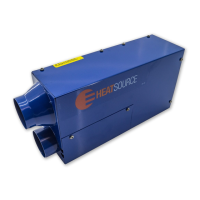
A 0.75 metre length of 22mm flexible stainless steel tubing with a special end cap is
supplied for ducting the products of combustion away to the edge of the vehicle. The
tube should be fitted to the spigots on the underside of the heater using the blue
connector and hose clips provided.
A 1 metre length of combustion air pipe is provided, which is also fitted with an end
cap. This should be attached to the heater with the hose clip provided and pointed in
the same direction as the flue pipe.
A “P” clip is provided for fixing the end of the pipe to the underside of the vehicle with
the end cap slightly protruding under the sill or bumper and pointing towards the rear
of the vehicle.
These pipes must not be cut shorter than the supplied lengths. They may be
extended to a maximum length of up to 2 metres if required.
Note: The combustion air pipe can be terminated underneath the vehicle making sure
the end of it is at least 0.5 metres away from the end of the exhaust and that they are
not pointing directly at each other. Take care to ensure that both pipes have a slight
downward slope to prevent any possibility of water traps. Make sure that neither the
flue or the combustion air inlet pipe are terminated in an under-floor box section.
The flue terminals are not to be positioned within 500 mm of a refuelling point or fuel
tank breather outlet or any ventilator from the fuel system(s). The flue terminals are
not to be located within 300 mm of a ventilator for the living space or an opening part
of a window. Where the flue terminal is positioned vertically below an opening part of
a window, the appliance must be fitted with an automatic shut-off device to prevent
operation when the window is open.
- 4 -
The heater uses an 8mm (5/16”) gas connection but can be fitted with an adaptor to
take ¼” copper pipe if preferred.
The gas supply should be connected with copper gas pipe with an isolating valve
and all connections made with brass compression fittings, fitted with copper olives.
When the gas line is complete all joints should be tested for leaks using leak
detection solution - NEVER WITH A NAKED FLAME.
- 5 -
GAS CONNECTION
WIRING INSTRUCTIONS
f)
g)
The Heatsource HS2000 heater is supplied with 2 wiring looms, a 2 core (red
and black) and a 6 core, both are fitted with terminals and housings to plug into
the main PCB positioned under the removable electronics cover on the heater.
The connectors on the PCB are marked CN24 (power) and CN26 & 27
(switches). Grommets are fitted to the looms which should slide into the slots
above the air inlet.
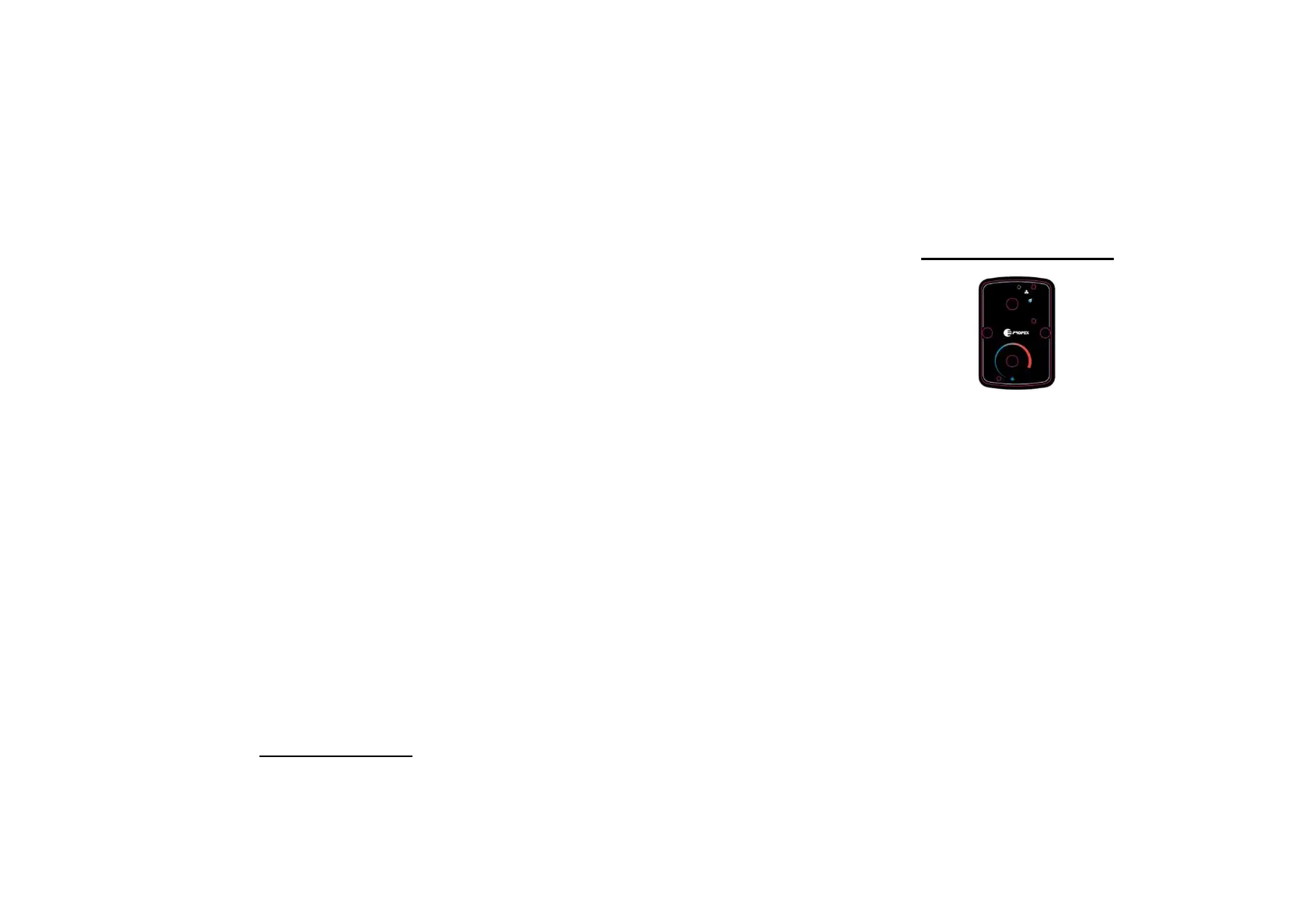
Find a suitable location for the thermostat between waist and shoulder height.
Make sure that it is not mounted in an area with poor air circulation or in an area
with above average heat, such as above a cooker, refrigerator or in direct
sunlight.
When you have chosen the location, drill a pilot hole in the area you expect to
retrieve the 6 core cable. If the clearance is OK, open the pilot hole out to
20mm.
Remove the two blanking plugs from their transit posts on the rear of the
thermostat.
Push the connector on the rear of the thermostat through the hole and fix the
thermostat into position using the two screws provided. Once happy with the
installation cover the holes with the blanking plugs.
Take the 6 core loom from the heater and connect to the plug on the rear of the
thermostat ensuring that the latches are mating correctly.
a)
b)
c)
d)
e)
f)
a)
b)
c)
Gas pressure should be verified where the gas pipe connects to the heater
using a low pressure gauge or “U” tube, any tests or connections should only be
undertaken by a registered person (see item a) on page 2).
NOTE. Net Heat Input: 2.0kw, average consumption 141 g/h.
Commissioning.
Visually check the installation before attempting to run the heater to ensure it is
installed correctly, paying particular attention to the flue. A full gas test must be
carried out, and a functional check of its operation.
d)
e)
f)
Find suitable locations for the hot air outlet and re-circulation air inlet vent and drill a
5mm pilot hole through each centre. Using a 95mm hole saw, drill out the holes
and fix the vents in position using the black 1/2 x No.8 counter sunk self tapping
screws provided.
Fix the 60mm reducer (push fit) into the back of the hot air outlet. Cut the 60mm
ducting to length and fix to the heater and the outlet using the 50-70mm hose clips
provided.
NOTE: There is no reducing spigot provided for the air inlet vent, as it is not
necessary to put ducting on it.
d)
e)


 To Next Page
 Loading...