EasyManua.ls Logo

Rato R100 - User Manual

Rato R100
40 pages
Print Icon
To Next Page IconTo Next Page
Loading...
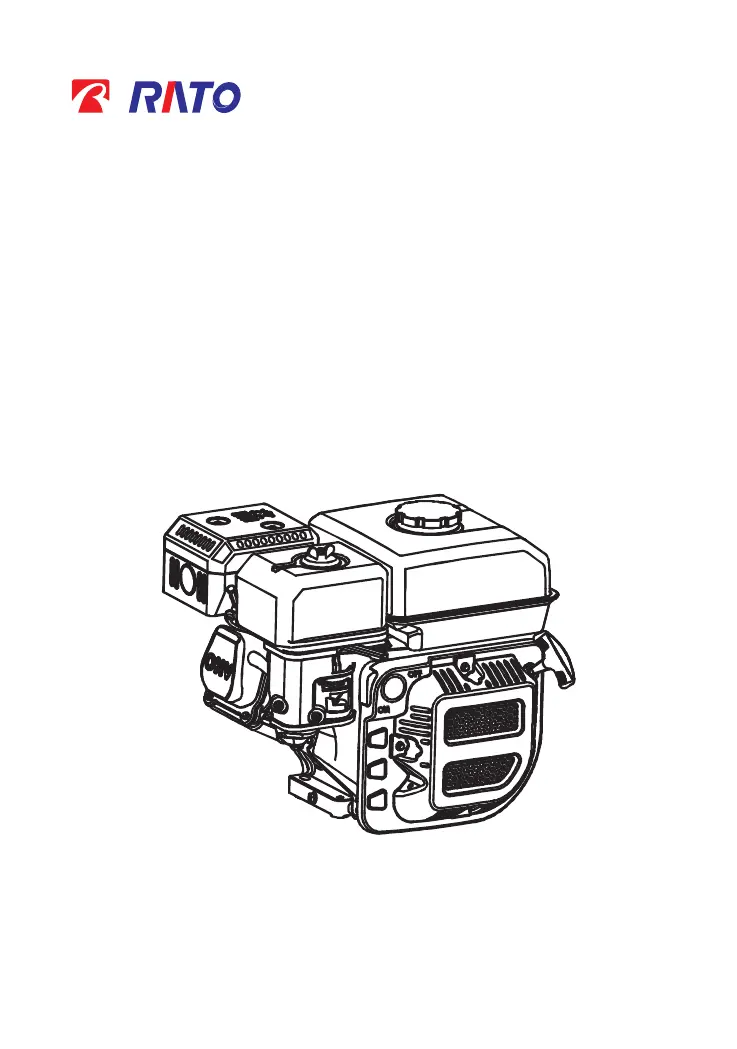
R100 R160 R180 R200 R210 R225
R270 R300 R390 R420 R440
Gasoline Engine
Owners Manual
Chongqing Rato Technology Co.,Ltd.

Questions and Answers

  • D
    Donna LynnNov 3, 2025
    How to fix a Rato Engine that is difficult to start?
    • D
      Dwayne SchroederNov 3, 2025
      If your Rato Engine is difficult to start using the recoil starter, several factors could be at play. Check the fuel system: ensure there's enough fuel by filling it and opening the fuel cock. Inspect the air vent in the fuel filler cap for clogs and dredge it if necessary. Also, a clogged fuel cock can cause issues, so clean and dredge it. An improperly adjusted or clogged main oil flow hole can also be the culprit; readjust or clean it. Other potential causes include a needle valve that isn't closing properly or a clogged start hole, a damaged or sticking float, or fuel that's too filthy, deteriorated, or contains water. Too much fuel in the engine can also cause starting difficulties, so drain the excess and dry the spark plug electrodes. Ensure you're using the correct fuel brand. For ...
  • C
    Cindy MartinNov 8, 2025
    Why is the Rato Engine power output insufficient?
    • C
      Charles WalkerNov 8, 2025
      If your Rato gasoline engine's power output is insufficient, several factors could be responsible. Start by checking the fuel line for air or clogs; exhaust any air or dredge the fuel line. Ensure the main oil flow hole is properly adjusted. A clogged needle valve hole or main oil flow hole in the carburetor can also cause this issue, so clean them. Additionally, a clogged fuel cock can restrict fuel flow; clean or replace any damaged parts. Excessive carbon deposits in the combustion chamber or in the muffler and exhaust pipe can hinder performance, so clear them away. A clogged air cleaner can also reduce power, so clean the filter element. Check for intake pipe leaks and repair or replace as needed. Worn piston, cylinder, or piston rings can lead to power loss, so replace them. Air leak...
  • R
    Roberto BerryNov 13, 2025
    What to do if Rato Engine is running unsmoothly?
    • S
      sarah03Nov 13, 2025
      If your Rato gasoline engine is running unsmoothly, several components may be worn or malfunctioning. Excessively worn pistons, cylinders, or piston rings can cause rough running, so replace them. Similarly, worn piston pins and piston pin holes, or a worn tie rod small head, can contribute to the problem; replace the affected parts. A worn roller bearing for the crankshaft main shaft should also be replaced. Overheating, excessive carbon deposits in the combustion chamber, improper gasoline, water in the float chamber, or improper spark plug electrode clearance can also lead to unsmooth operation. Ensure you are using qualified gasoline, clean the float chamber if there is water, and adjust the spark plug electrodes. Issues with the induced coil may also be to blame; check and replace any...
  • C
    Casey GainesNov 18, 2025
    Why is my Rato Gasoline Engine overheat?
    • J
      Jose SmithNov 18, 2025
      If your Rato gasoline engine overheats, it could be due to several reasons. First, ensure there is sufficient oil by refilling the engine oil to the correct level. A blocked exhaust pipe can also cause overheating, so clean it. Check for shroud leaks and repair any damaged parts. Cooling fins blocked by foreign matter will also cause overheating, so clear the cooling fins. Ensure the cooling fan is properly installed and functioning correctly. Other potential causes include connection rod deformation leading to piston and cylinder bushing side wear, worn cylinders, pistons, or piston rings causing hunting between the cylinder and crankcase, or improper adjustment of the engine governor leading to high speed. A burnt-out crankshaft main bearing can also result in overheating, so replace the...
  • V
    Victoria CaseNov 23, 2025
    What to do if Rato Engine stop suddenly when running?
    • D
      danielgarrisonNov 23, 2025
      If your Rato Engine stops suddenly while running, several issues could be the cause. The most straightforward is that the fuel is finished, so refill it. A clogged carburetor can also cause this, so check the fuel line and dredge it. Other potential causes include a leaking float, a stuck needle valve, or a punctured spark plug. In such cases, repair the float, dismantle the float chamber to address the needle valve, or replace the spark plug. A side electrode of the spark plug that has dropped out or a high-tension wire that has become disconnected can also cause sudden stops, so replace the spark plug or weld the wire back on. Issues with the ignition coil, such as being punctured or short-circuited, require replacing the ignition coil. A parking wire located on the engine body can cause...
  • T
    Timothy HullDec 1, 2025
    Why is there abnormal noise when Rato Engine is running?
    • C
      Connor DennisDec 1, 2025
      If there is an abnormal noise when your Rato Engine is running, several factors could be responsible. Worn pistons, piston rings, or cylinders can cause unusual sounds, so replace the worn parts. Similarly, worn connection rods, piston pins, or piston pin holes can contribute to the noise, so replace the worn parts. A worn crankshaft main neck may also be the culprit, requiring bearing replacement. A broken piston ring should also be replaced. Excessive carbon deposits in the combustion chamber can create noise, so clear away the carbon deposit. Too small electrode clearance of the spark plug can also cause abnormal noise, so adjust the electrode clearance properly. Check relative parts such as carburetor if the engine fuel is too much. An improper fuel brand can lead to unusual sounds, so...

Summary

Preface

Safety Messages

Safety Precautions

Operational Safety Guidelines

Covers engine power limits, fuel/oil usage, bolt tightness, air cleaner, cooling, and operator training.

Hazard Warnings and Handling

Focuses on refueling safety, fuel spillage, operating locations, muffler heat, and understanding warning labels.

Parts Description

Battery Connection

Battery Safety and Hazards

Addresses risks from explosive gas, electrolyte contact, poisoning, and keeping batteries away from children.

Battery Maintenance and Connection

Proper use of distilled water, level checks, and warning against incorrect battery lead connections.

Pre-Operate Inspection

Engine Oil Inspection

Checking oil type, viscosity, level, capacity, and hazards of low oil levels.

Air Cleaner and Fuel Inspection

Inspecting air cleaner condition, fuel level, and fuel handling safety precautions.

Engine Operation Sounds and Fuel Safety

Guidance on engine knocking sounds and crucial warnings regarding fuel spillage and its dangers.

Starting the Engine

Starting Procedures

Step-by-step guide on operating fuel cock, choke, and governor levers for starting.

Starting Methods and Limits

Instructions for recoil and electric starting, including starter usage limits and safety.

Running the Engine

Engine Operation Adjustments

Adjusting choke and throttle levers for optimal running speed and conditions.

System Monitoring and Warnings

Information on the oil alarm, breaker function, and critical warnings for high altitude operation.

Stopping the Engine

Stopping Procedures

Outlines emergency and normal engine stopping steps, including lever and switch operations.

Stopping Safety Precautions

Warning against sudden stops under heavy load to prevent engine damage.

Exhaust Control System

Emissions Maintenance

Explains how periodic maintenance helps meet exhaust emission standards.

Emissions Related Problems

Lists common issues like starting, idling, smoke, and ignition faults affecting exhaust emissions.

Maintenance

Maintenance Schedule and General Procedures

Overview of the maintenance schedule, frequency, and general safety during servicing.

Component Maintenance: Oil and Filter

Detailed procedures for engine oil replacement and air cleaner maintenance, including disposal of used oil.

Component Maintenance: Spark Plug

Instructions for cleaning, checking, gapping, and tightening the spark plug, with heat warnings.

Transport and Storage

Storage and Transport Guidelines

Procedures for safe transport, long-term storage, and preparing the engine for reuse.

Fuel and Oil Handling for Storage

Draining fuel and oil, lubricating the cylinder, and storing the battery correctly.

Troubleshooting

Starting and Power Issues

Solutions for difficult starting (recoil/electric) and power output insufficiency.

Running and Noise Problems

Addresses unsmooth running, sudden stops, overheating, and abnormal noises with causes and remedies.

Specific Starting and Compression Issues

Focuses on cylinder compression problems and electric start issues affecting engine starting.

Specifications

Model Specifications (R100-R225)

Key technical data for R100 through R225 models, including dimensions, power, and torque.

Bolt Torque Specifications (R100-R225)

Torque values for critical bolts specific to R100 through R225 engine models.

Model Specifications (R270-R440)

Key technical data for R270 through R440 models, including dimensions, power, and torque.

Bolt Torque Specifications (R270-R440)

Torque values for critical bolts specific to R270 through R440 engine models.

Electric Diagram

Starter Engine Wiring

Electrical diagram for engines with electric start and oil protection system.

Non-Starter Engine Wiring

Electrical diagram for engines without electric start but with oil protection system.

Easy Worn Parts and Accessories List

Worn Parts Identification

Lists common parts that are subject to wear and may need replacement over time.

Accessory Components List

Lists available accessories and tools provided or compatible with the engine.

Rato R100 Specifications

General IconGeneral
BrandRato
ModelR100
CategoryEngine
LanguageEnglish

Related product manuals