EasyManua.ls Logo

Rinnai DONSR07B1 - User Manual

Rinnai DONSR07B1
28 pages
Print Icon
To Next Page IconTo Next Page
Loading...
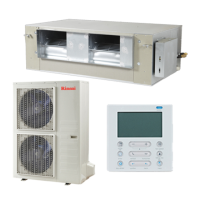
Ducted Reverse Cycle Inverter
Operation Manual
REFRIGERANT
R32
MODELS
System Outdoor Indoor
7 DONSR07B1 DINLR07B1
9 DONSR09B1 DINLR09B1
11 DONSR11B1 DINLR11B1
13 DONSR13B1 DINLR13B1
15 DONSR15B1 DINLR15B1
18 DONSR18B1 DINLR18B1

Questions and Answers

Summary

Warnings and Important Information

Regulatory and Installation Guidelines

Details installation compliance with standards and authorized personnel.

Achieving Optimal Performance

Explains temperature ranges for optimal system performance and efficiency.

Warnings for Product Use

Lists critical warnings for safe and proper operation of the appliance.

Electrical Warnings

Covers essential electrical safety precautions during installation and use.

Product Installation Warnings

Highlights critical safety aspects for product installation by authorized personnel.

Cleaning and Maintenance Warnings

Provides safety guidelines and warnings related to cleaning and maintaining the unit.

Mandatory Inspection Prior to Installation

Details essential pre-installation checks for damage, labeling, and compliance.

Using R32 Refrigerant

Addresses safety and operational considerations specific to R32 refrigerant.

Refrigerant Details

Explains R32 refrigerant properties, handling, and room size requirements.

Disposal Guidelines

Provides guidance on safe and legal disposal of the appliance and its components.

General User Guide

Operation and Maintenance

Introduces basic operation, maintenance, and system familiarization.

Operating Your System

Explains how to operate the Rinnai system using the thermostat controller.

Cooling Cycle

Describes the system's functionality and behavior during cooling operation.

Heating Cycle

Details the system's operation and defrost cycle during heating mode.

Zoned Systems

Explains principles and guidelines for operating zoned home comfort systems.

Performing Routine Maintenance

Outlines general directions and safety precautions for performing routine maintenance.

Checking the Air Filter

Guides on inspecting, cleaning, or replacing air filters for optimal system performance.

Unit Support

Covers proper positioning and accessibility requirements for indoor and outdoor units.

Non-Rinnai Field Supplied Accessories

Addresses maintenance and warranty considerations for non-Rinnai supplied accessories.

Operation

Unit Specifications & Features

Illustrates key components and features of the air conditioning unit.

Operating Temperature

Details operating temperature ranges for different modes and potential unit disabling.

Inverter Split Type

Explains operational tips for optimizing performance of the inverter split type system.

Care & Maintenance

Cleaning the Air Filter

Instructions for cleaning air filters to maintain efficiency and air quality.

Cleaning the Outdoor Unit

Guidance on cleaning and maintaining the outdoor unit for proper airflow and operation.

General Maintenance

Procedures for maintenance during prolonged periods of non-use.

Maintenance - Pre-Season Inspection

Steps for pre-season inspection to ensure system readiness.

Installation Record - Installer Details

Section to record installer's company, contact, and compliance details.

Installation Record - System Details

Section for recording the system's model, serial numbers, and installation address.

Customer Care Program

Information on registering the product and the Rinnai Customer Care Program.

Service Maintenance Schedule

Provides a schedule for annual maintenance by qualified technicians.

Save a Service Call

Offers tips and potential causes for common issues to avoid unnecessary service calls.

Troubleshooting

Troubleshooting Tips

Lists common problems, their possible causes, and suggested solutions.

When to Call for Service

Identifies critical symptoms that require immediate unit shutdown and professional service.

Warranty

Terms of Warranty - Australia

Outlines the warranty terms and conditions specific to Australia.

Notice to Consumers Under Australian Consumer Law

Informs consumers about their rights and guarantees under Australian Consumer Law.

Definitions

Defines key terms used throughout the warranty and manual.

Terms of Warranty

Details warranty coverage periods for different product groups and applications.

Conditions of Warranty

Specifies conditions the purchaser must meet to benefit from the warranty.

Exclusions

Lists situations and damages that are not covered by the product warranty.

Limitations

Clarifies limitations on advice, external advice, and third-party involvement.

Travel, Transport & Access Costs

Explains responsibilities and coverage for travel, transport, and access costs during service.

Purchasers Responsibilities

Details the purchaser's duties for product operation, maintenance, and warranty claims.

How to Make a Warranty Claim

Provides instructions on how to initiate and process a warranty claim.

Summary

Warnings and Important Information

Regulatory and Installation Guidelines

Details installation compliance with standards and authorized personnel.

Achieving Optimal Performance

Explains temperature ranges for optimal system performance and efficiency.

Warnings for Product Use

Lists critical warnings for safe and proper operation of the appliance.

Electrical Warnings

Covers essential electrical safety precautions during installation and use.

Product Installation Warnings

Highlights critical safety aspects for product installation by authorized personnel.

Cleaning and Maintenance Warnings

Provides safety guidelines and warnings related to cleaning and maintaining the unit.

Mandatory Inspection Prior to Installation

Details essential pre-installation checks for damage, labeling, and compliance.

Using R32 Refrigerant

Addresses safety and operational considerations specific to R32 refrigerant.

Refrigerant Details

Explains R32 refrigerant properties, handling, and room size requirements.

Disposal Guidelines

Provides guidance on safe and legal disposal of the appliance and its components.

General User Guide

Operation and Maintenance

Introduces basic operation, maintenance, and system familiarization.

Operating Your System

Explains how to operate the Rinnai system using the thermostat controller.

Cooling Cycle

Describes the system's functionality and behavior during cooling operation.

Heating Cycle

Details the system's operation and defrost cycle during heating mode.

Zoned Systems

Explains principles and guidelines for operating zoned home comfort systems.

Performing Routine Maintenance

Outlines general directions and safety precautions for performing routine maintenance.

Checking the Air Filter

Guides on inspecting, cleaning, or replacing air filters for optimal system performance.

Unit Support

Covers proper positioning and accessibility requirements for indoor and outdoor units.

Non-Rinnai Field Supplied Accessories

Addresses maintenance and warranty considerations for non-Rinnai supplied accessories.

Operation

Unit Specifications & Features

Illustrates key components and features of the air conditioning unit.

Operating Temperature

Details operating temperature ranges for different modes and potential unit disabling.

Inverter Split Type

Explains operational tips for optimizing performance of the inverter split type system.

Care & Maintenance

Cleaning the Air Filter

Instructions for cleaning air filters to maintain efficiency and air quality.

Cleaning the Outdoor Unit

Guidance on cleaning and maintaining the outdoor unit for proper airflow and operation.

General Maintenance

Procedures for maintenance during prolonged periods of non-use.

Maintenance - Pre-Season Inspection

Steps for pre-season inspection to ensure system readiness.

Installation Record - Installer Details

Section to record installer's company, contact, and compliance details.

Installation Record - System Details

Section for recording the system's model, serial numbers, and installation address.

Customer Care Program

Information on registering the product and the Rinnai Customer Care Program.

Service Maintenance Schedule

Provides a schedule for annual maintenance by qualified technicians.

Save a Service Call

Offers tips and potential causes for common issues to avoid unnecessary service calls.

Troubleshooting

Troubleshooting Tips

Lists common problems, their possible causes, and suggested solutions.

When to Call for Service

Identifies critical symptoms that require immediate unit shutdown and professional service.

Warranty

Terms of Warranty - Australia

Outlines the warranty terms and conditions specific to Australia.

Notice to Consumers Under Australian Consumer Law

Informs consumers about their rights and guarantees under Australian Consumer Law.

Definitions

Defines key terms used throughout the warranty and manual.

Terms of Warranty

Details warranty coverage periods for different product groups and applications.

Conditions of Warranty

Specifies conditions the purchaser must meet to benefit from the warranty.

Exclusions

Lists situations and damages that are not covered by the product warranty.

Limitations

Clarifies limitations on advice, external advice, and third-party involvement.

Travel, Transport & Access Costs

Explains responsibilities and coverage for travel, transport, and access costs during service.

Purchasers Responsibilities

Details the purchaser's duties for product operation, maintenance, and warranty claims.

How to Make a Warranty Claim

Provides instructions on how to initiate and process a warranty claim.

Overview

This document is the Operation Manual for the Rinnai Ducted Reverse Cycle Inverter air conditioning system, designed to provide year-round comfort. It covers essential information for both installation and ongoing use, emphasizing safety, optimal performance, and maintenance.

The Rinnai Ducted Reverse Cycle Inverter system is engineered for high efficiency and reliability, representing the latest in engineering developments from Rinnai. It is designed to modulate the outdoor unit capacity automatically in response to the demand of the conditioned space, ensuring rapid cool-down or warm-up times and providing more constant temperature control. The system's operation is controlled by an indoor Thermostat/Controller, allowing users to set the desired indoor temperature within the system's design conditions.

Function Description:

The primary function of this appliance is to provide ducted reverse cycle air conditioning, offering both cooling and heating capabilities for residential and light commercial applications. It uses R32 refrigerant, a flammable gas, and is designed to operate within specific temperature ranges for optimal performance.

In COOL mode, the system works to lower the indoor temperature to the user-selected level. During extremely hot days, it may run for longer periods with shorter 'off' cycles. Factors like frequently opened doors, operating laundry appliances, numerous lights or electrical appliances, and a higher number of occupants can increase the system's workload.

In HEAT mode, the system raises the indoor temperature to the desired level. On colder days and nights, it will operate for longer durations. The system incorporates an automatic defrost cycle when outdoor temperatures drop below 7.2°C to prevent ice buildup on the outdoor coil, which would impede airflow and reduce heating efficiency. During defrost, the indoor fan temporarily stops, and steam or fog may be visible from the outdoor unit as ice melts.

The system is also capable of Zoned Systems operation, where it can condition specific areas of a home or space rather than the entire area at once. The zoning configuration is typically designed by the installer to meet specific requirements. Key aspects of zoned operation include ensuring the return air grille(s) are in the 'Common Zone' and are part of the conditioned space, closing doors to unconditioned areas, and setting zoning configurations before starting the system. Users should avoid shutting down more zones than the minimum specified by the installer to prevent system shutdown or inability to maintain design conditions.

Usage Features:

To ensure optimal performance and longevity, several usage features and recommendations are provided:

  • Thermostat/Controller Operation: The indoor Thermostat/Controller is the central control for the system. Users should familiarize themselves with its specific operation. Typical temperature settings are 24°C for cooling and 20°C for heating.
  • Continuous Fan Operation: Running the fan continuously can help maintain greater personal comfort by minimizing temperature differences caused by 'air pockets' in the building.
  • Humidity Removal: During the cooling season, the system removes humidity from the home. The indoor unit has a primary condensate drain, and a secondary overflow drain should also be installed. If water is observed in the overflow drain, it may indicate a clog, requiring inspection by the installer or Rinnai.
  • Avoiding Rapid-Cycling: Users should avoid "thermostat jiggling" (rapidly adjusting the temperature setting) as this can cause rapid-cycling, which is potentially damaging to the compressor and may trip protective fuses or circuit breakers. After the compressor shuts off, wait at least five minutes before adjusting the thermostat temperature.
  • Environmental Control: To optimize performance, users should keep doors and windows closed, limit energy usage by utilizing TIMER ON and TIMER OFF functions, and avoid blocking air inlets or outlets.
  • Refrigerant Safety: When using R32 refrigerant, the appliance must be located in a well-ventilated area where the room size corresponds to the specified room area for operation.
  • General Operation Precautions:
    • Do not run the air conditioner for extended periods in high humidity or with open doors/windows, as this can lead to excessive operational loading and product failure.
    • Do not cover or place items on any part of the appliance.
    • Avoid touching, operating, or cleaning the unit with wet hands to prevent electric shock.
    • Do not insert fingers or objects into air inlets or outlets due to high-speed fan rotation.
    • Do not use flammable sprays near the unit.
    • Do not operate the unit near combustible gases or in wet rooms like bathrooms or laundry rooms.
    • Avoid direct, prolonged exposure to cold air.
    • Supervise children around the unit.
    • Ensure proper ventilation if using the air conditioner with other heating devices to prevent oxygen deficiency.
    • If abnormal situations (noise, smell, smoke) occur, turn off the unit, isolate power, and contact Rinnai.
    • Do not operate the appliance if it has been submerged in water.
    • The system is designed for consumer comfort, not for commercial applications requiring controlled atmospheres (e.g., computer rooms).
    • Do not block air inlets or outlets.
    • Do not drink condensate water.
    • Do not expose people, animals, or plants directly to the discharge air.

Maintenance Features:

Routine maintenance is crucial for the economic and dependable operation of the Rinnai system. Before performing any maintenance, users must disconnect all electrical power to the heat pump, as there may be multiple electrical isolating switches. Care should also be taken when handling parts due to potential sharp edges.

  • Air Filter Cleaning: The air filter requires inspection and cleaning at least every two weeks. Dirty air filters reduce efficiency, effectiveness, and air quality, and can cause condensation to drip from the indoor unit in humid conditions. Filters should be replaced if disposable or washed and thoroughly dried if reusable. An extra filter on hand is recommended to minimize downtime during cleaning.
  • Outdoor Unit Cleaning: The outdoor (condensing) unit draws in and dissipates air. Periodic inspection is needed to ensure no vegetation (plants, weeds) grows around it, maintaining a minimum 300mm clearance. The cabinet should be kept clean, and discharge air must be free to dissipate without recirculation. Ensure no water builds up around the unit. Any repairs, maintenance, or cleaning of the outdoor unit should be performed by an authorized dealer or licensed service provider.
  • General Maintenance (Prolonged Non-Use): If the air conditioner will not be used for an extended period:
    • Clean all filters.
    • Turn on the Fan function until the unit dries out completely.
    • Turn off the unit and disconnect power.
    • Remove batteries from the remote control.
  • Maintenance (Pre-Season Inspection): Before periods of frequent use (e.g., before summer or winter):
    • Check for damaged wires.
    • Clean all filters.
    • Check for leaks.
    • Replace batteries.
    • Ensure nothing is blocking air inlets and outlets of both indoor and outdoor units.
  • Professional Service: An annual service by a qualified licensed technician is recommended after the date of installation, as outlined in the "Service Maintenance Schedule." Failure to adhere to this schedule may void the product warranty. This periodic service helps prolong the unit's useful life and ensures safe and optimum efficiency. Service maintenance is a chargeable service and not covered under warranty.
  • Installation Records: The manual includes sections for recording installer details (Company Name, Address, Phone, Email, License No., Installer Name, Signature, Installation Date) and system details (Model Number, Serial Numbers for Indoor and Outdoor Units, Installation Address). These records are important for warranty and service purposes.
  • Customer Care Program: Users are encouraged to register their product warranty online. Rinnai's Customer Care Program offers preferential offers for preventative maintenance services to keep the system in great condition.
  • Third-Party Components: Field-supplied accessories such as ductwork, fittings, filters, grilles, zone motors, and auxiliary heaters are not part of the Rinnai system's regular maintenance cycle and are not covered by Rinnai's product warranty. Their maintenance should follow OEM recommendations. Interference from third-party controls or zoning systems causing incorrect operation and consequential damage to Rinnai equipment will not be covered by warranty.

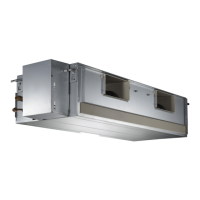
Rinnai DONSR07B1 Specifications

General IconGeneral
CategoryInverter
HSPF10
RefrigerantR410A
ModelDONSR07B1
Power Supply1-phase, 60Hz

Related product manuals