EasyManua.ls Logo

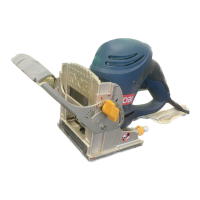
Ryobi JM82 - User Manual

Ryobi JM82
26 pages
Print Icon
To Next Page IconTo Next Page
Loading...
SAVE THIS MANUAL FOR FUTURE REFERENCE
Your biscuit joiner has been engineered and manufactured to Ryobi’s high standard for dependability, ease of operation,
and operator safety. When properly cared for, it will give you years of rugged, trouble-free performance.
WARNING: To reduce the risk of injury, the user must read and understand the operator's manual before using
this product.
Thank you for buying a Ryobi product.
OPERATOR’S MANUAL
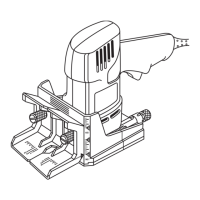
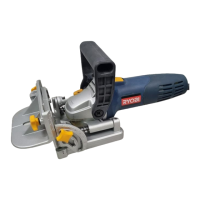
BISCUIT JOINER
DOUBLE INSULATED
JM82
Question and Answer IconNeed help?

Do you have a question about the Ryobi JM82 and is the answer not in the manual?

Summary

Introduction

General Safety Rules

Work Area Safety

Maintaining a clean, well-lit work area and keeping bystanders away.

Electrical Safety

Guidelines for safe use of electrical components, including plugs and cords.

Personal Safety

Operator alertness, attire, and maintaining balance for safe operation.

Tool Use and Care

Proper usage, maintenance, and accessory selection for safe operation.

Service Precautions

Specific Safety Rules

Operation Safety

Rules for safe operation, tool handling, and protection during use.

Tool and Cord Condition

Checks for damaged parts, alignment, and extension cord requirements.

Symbols

Technical and Operational Symbols

Symbols for electrical units, speed, construction type, and manual reference.

Safety and Warning Symbols

Symbols indicating eye protection, safety alerts, hand safety, and hot surfaces.

Signal Word Definitions

Explanation of signal words (DANGER, WARNING, CAUTION) and their risk levels.

Service Information

Critical Safety Warning

Electrical

Double Insulation Explained

Explanation of double insulation as a safety feature in electric tools.

Extension Cord Usage

Guidelines for selecting and using extension cords with proper wire gauge and condition.

Electrical Connection

Requirements for connecting the tool to a power supply (120V, 60Hz AC).

Features

Product Specifications

Technical specifications including adjustments, speed, input voltage, and weight.

Key Components

Identification and location of major parts like knobs, scales, fences, and handles.

Operational Controls

Description of controls like switch trigger, depth/height adjustment, and locking knob.

Adjustable Fence System

Details on fence angle and height adjustments for precise cuts.

Dust Collection and Indicators

Information on dust bag attachment and line of cut indicators.

Biscuit Information

Details on biscuit sizes and their use in joinery.

Assembly

Unpacking and Inspection

Steps for unpacking, checking contents, and initial inspection of the tool.

Dust Bag Installation

Procedures for attaching and removing the dust bag for dust collection.

Vacuum Attachment

How to connect a vacuum cleaner to the dust port for dust extraction.

Operation

Safety During Operation

Warnings to avoid carelessness and wear safety goggles during operation.

Applications

Overview of the biscuit joiner's uses, including cutting slots for joinery.

Spline Joinery Explained

Detailed explanation of spline joinery techniques and their strength.

Powering the Tool On;Off

Instructions on how to turn the biscuit joiner on and off using the switch trigger.

Depth of Cut Adjustment

How to set the cutting depth for different biscuit sizes and make fine adjustments.

Fence Height Adjustment

How to adjust the fence height relative to the blade for precise cuts.

Fence Angle Adjustment

How to set the fence angle for various joinery types, including positive stops.

Making Edge-to-Edge Joints

Step-by-step guide for creating edge-to-edge joints using biscuits.

Making Butt Joints

Instructions for creating strong butt joints using biscuits.

Making Offset Butt Joints

Procedures for creating offset butt joints, accounting for workpiece thickness variations.

Making T-Joints

Steps for creating T-joints by joining board ends to board faces with biscuits.

Cutting Vertical Boards

Method for cutting slots in vertical boards using a guide fence.

Making Flat Miter Joints

Instructions for creating flat miter joints, often used for picture frames.

Making Edge Miter Joints

Procedures for creating edge miter joints for boxes or other structures.

Maintenance

General Maintenance and Lubrication

Cleaning guidelines, avoiding solvents, and lubrication information.

Replacing the Blade

Step-by-step instructions for safely replacing a dull or damaged blade.

Blade Replacement Procedure

Detailed steps for removing, cleaning, and installing the biscuit joiner blade.

Cleaning Base Assembly and Dust Path

Instructions for cleaning internal parts to maintain dust collection efficiency.

Base Assembly Cleaning

Steps for disassembling, cleaning, and reassembling base components.

Cleaning the Dust Bag

Procedures for cleaning the dust bag to ensure proper dust collection.

Accessories

Troubleshooting

Biscuit Fit Issues

Solutions for biscuits not fitting slots or causing misalignment.

Dust Collection Problems

Addressing issues with wood particles backing up due to dust system malfunctions.

Blade Operation Issues

Solutions for blade difficulty in pushing or retracting during cuts.

Performance and Power Issues

Diagnosing and resolving poor cutting performance or motor stalling.

Service and Support

Contacting Service Centers

How to find and contact Ryobi Authorized Service Centers for repair needs.

Model and Serial Number Identification

Locating and recording the tool's model and serial numbers for service.

Ordering Repair Parts

Information required when ordering replacement parts for the biscuit joiner.

Summary

Introduction

General Safety Rules

Work Area Safety

Maintaining a clean, well-lit work area and keeping bystanders away.

Electrical Safety

Guidelines for safe use of electrical components, including plugs and cords.

Personal Safety

Operator alertness, attire, and maintaining balance for safe operation.

Tool Use and Care

Proper usage, maintenance, and accessory selection for safe operation.

Service Precautions

Specific Safety Rules

Operation Safety

Rules for safe operation, tool handling, and protection during use.

Tool and Cord Condition

Checks for damaged parts, alignment, and extension cord requirements.

Symbols

Technical and Operational Symbols

Symbols for electrical units, speed, construction type, and manual reference.

Safety and Warning Symbols

Symbols indicating eye protection, safety alerts, hand safety, and hot surfaces.

Signal Word Definitions

Explanation of signal words (DANGER, WARNING, CAUTION) and their risk levels.

Service Information

Critical Safety Warning

Electrical

Double Insulation Explained

Explanation of double insulation as a safety feature in electric tools.

Extension Cord Usage

Guidelines for selecting and using extension cords with proper wire gauge and condition.

Electrical Connection

Requirements for connecting the tool to a power supply (120V, 60Hz AC).

Features

Product Specifications

Technical specifications including adjustments, speed, input voltage, and weight.

Key Components

Identification and location of major parts like knobs, scales, fences, and handles.

Operational Controls

Description of controls like switch trigger, depth/height adjustment, and locking knob.

Adjustable Fence System

Details on fence angle and height adjustments for precise cuts.

Dust Collection and Indicators

Information on dust bag attachment and line of cut indicators.

Biscuit Information

Details on biscuit sizes and their use in joinery.

Assembly

Unpacking and Inspection

Steps for unpacking, checking contents, and initial inspection of the tool.

Dust Bag Installation

Procedures for attaching and removing the dust bag for dust collection.

Vacuum Attachment

How to connect a vacuum cleaner to the dust port for dust extraction.

Operation

Safety During Operation

Warnings to avoid carelessness and wear safety goggles during operation.

Applications

Overview of the biscuit joiner's uses, including cutting slots for joinery.

Spline Joinery Explained

Detailed explanation of spline joinery techniques and their strength.

Powering the Tool On;Off

Instructions on how to turn the biscuit joiner on and off using the switch trigger.

Depth of Cut Adjustment

How to set the cutting depth for different biscuit sizes and make fine adjustments.

Fence Height Adjustment

How to adjust the fence height relative to the blade for precise cuts.

Fence Angle Adjustment

How to set the fence angle for various joinery types, including positive stops.

Making Edge-to-Edge Joints

Step-by-step guide for creating edge-to-edge joints using biscuits.

Making Butt Joints

Instructions for creating strong butt joints using biscuits.

Making Offset Butt Joints

Procedures for creating offset butt joints, accounting for workpiece thickness variations.

Making T-Joints

Steps for creating T-joints by joining board ends to board faces with biscuits.

Cutting Vertical Boards

Method for cutting slots in vertical boards using a guide fence.

Making Flat Miter Joints

Instructions for creating flat miter joints, often used for picture frames.

Making Edge Miter Joints

Procedures for creating edge miter joints for boxes or other structures.

Maintenance

General Maintenance and Lubrication

Cleaning guidelines, avoiding solvents, and lubrication information.

Replacing the Blade

Step-by-step instructions for safely replacing a dull or damaged blade.

Blade Replacement Procedure

Detailed steps for removing, cleaning, and installing the biscuit joiner blade.

Cleaning Base Assembly and Dust Path

Instructions for cleaning internal parts to maintain dust collection efficiency.

Base Assembly Cleaning

Steps for disassembling, cleaning, and reassembling base components.

Cleaning the Dust Bag

Procedures for cleaning the dust bag to ensure proper dust collection.

Accessories

Troubleshooting

Biscuit Fit Issues

Solutions for biscuits not fitting slots or causing misalignment.

Dust Collection Problems

Addressing issues with wood particles backing up due to dust system malfunctions.

Blade Operation Issues

Solutions for blade difficulty in pushing or retracting during cuts.

Performance and Power Issues

Diagnosing and resolving poor cutting performance or motor stalling.

Service and Support

Contacting Service Centers

How to find and contact Ryobi Authorized Service Centers for repair needs.

Model and Serial Number Identification

Locating and recording the tool's model and serial numbers for service.

Ordering Repair Parts

Information required when ordering replacement parts for the biscuit joiner.

Ryobi JM82 Specifications

General IconGeneral
No-load speed10, 000 RPM
Dust portYes
Power SourceCorded
Fence Tilt0-135 degrees
Cutting capacity20mm
Weight6.5 lbs

Related product manuals