EasyManua.ls Logo

SAER Elettropompe AP Series - User Manual

SAER Elettropompe AP Series
22 pages
Print Icon
To Next Page IconTo Next Page
Loading...
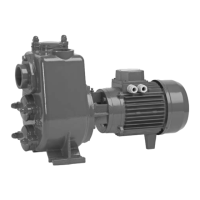
POMPE CENTRIFUGHE AUTOADESCANTI
SELF-PRIMING CENTRIFUGAL PUMPS
AP
Manuale uso e manutenzione
Use and maintenance manual
I
Questo manuale é da considerarsi parte integrante della fornitura del prodotto; qualora risultasse rovinato o illeggibile in qualsiasi
parte occorre richiederne immediatamente una copia. Ogni operatore addetto all’uso del prodotto, o responsabile della manutenzione,
deve conoscerne la collocazione e deve avere la possibilità di consultarlo in ogni momento.
GB
This manual is to be considered an integral part of the supply of the product; in the event it is ruined or any part is illegible, you should
immediately request a copy. Every operator assigned to use the product or responsible for its maintenance must know its location and
must be able to consult it at any time.

Questions and Answers

  • S
    Sierra PenaAug 6, 2025
    What to do if my SAER Elettropompe Water Pump has no flow?
    • E
      Elizabeth BoothAug 6, 2025
      If your SAER Elettropompe Water Pump isn't flowing, several issues could be the cause. First, check the motor's rotation direction and the impeller's assembly. Ensure the pump and suction pipe are filled with fluid and that there's no air in the system. Make sure the suction pipeline is sufficiently immersed and not raised too high. Clear any obstructions from the impeller or suction line. Verify the motor's rotation speed and, for inverter-powered motors, check the feed frequency. Also, inspect the outlet valves and compare the pumping plant's specifications to the pump's; consider using a pump with a higher head if needed.
  • D
    David SnyderAug 12, 2025
    Why is my SAER Elettropompe Water Pump vibrating or making high noise?
    • R
      Richard MirandaAug 12, 2025
      Excessive vibration or noise in your SAER Elettropompe Water Pump can stem from a few sources. Start by ensuring the pump and motor are properly secured by checking the tightness of all anchor bolts. Also, check that the pipeline is correctly aligned and not imposing any stress on the pump. Finally, inspect the bearings for damage and replace them if necessary.
  • D
    Duane CarterAug 18, 2025
    What causes high absorption in SAER Elettropompe Water Pump?
    • Y
      yfisherAug 18, 2025
      High absorption in your SAER Elettropompe Water Pump can be attributed to several factors. Check for wear or mechanical seizure, replacing seals, bearings, and wear rings if needed. Ensure the pump is functioning within its performance curves by adjusting the outlet regulation valve to increase the head and lower the flow rate if the head is lower than the minimum allowed. Verify the motor speed and frequency (if inverter-powered). If the fluid's density or viscosity is higher than specified, reduce the flow rate and consult technical assistance. For motor-related issues, refer to motor information.
  • J
    john89Aug 25, 2025
    Why SAER Elettropompe Water Pump has insufficient flow rate?
    • D
      Deborah NguyenAug 25, 2025
      An insufficient flow rate in your SAER Elettropompe Water Pump could be due to a few reasons. Check for losses from the seals and replace them if necessary. Inspect the impellers for damage and replace them if needed. Also, the foot valve may be too slim and require replacement.
  • M
    Mary SullivanAug 30, 2025
    How to fix outlet pressure too low in SAER Elettropompe Water Pump?
    • Z
      zperezAug 30, 2025
      If the outlet pressure of your SAER Elettropompe Water Pump is too low, first check for any obstructions in the outlet line and remove them. Also, ensure that the pressure gauges are correctly positioned, with the outlet pressure gauge on the outlet and the inlet pressure gauge on the inlet.

Summary

General Information

Manual Scope and Disclaimer

Outlines the manual's purpose, manufacturer's responsibility, and scope of instructions.

Safety Information

Risk Identification

Highlights potential hazards like electric shock, damage to equipment, and personal injury risks.

Operational Safety Guidelines

Mandates qualified personnel, safe operating practices, and user responsibility for product safety.

Transport, Handling, and Storage

Product Receipt and Inspection

Procedures for checking the product upon delivery for damage or missing parts.

Handling and Lifting Precautions

Instructions for safe lifting, moving, and general handling of the pump and its components.

Storage Conditions

Specifies environmental and procedural requirements for storing the pump and its components.

Technical Specifications and Use

Product Overview

Details pump types (AP, AS, AL), self-priming function, and nameplate information.

Operating Limitations

Defines safe operating parameters for liquid temperature, pressure, and ambient conditions.

Prohibited Applications

Lists forbidden uses and hazardous environments for the pump.

Installation

Site Hazard Warning

Caution against installation in explosive atmospheres or hazardous locations.

Preliminary Installation Checks

Verifies electrical compatibility, liquid characteristics, and environmental conditions.

Installation Location Requirements

Guidance on base preparation, ventilation, and pump placement.

Pipe Connection Procedures

Instructions for connecting suction/delivery pipes, valves, and safety devices.

Auxiliary Connections

Verification of necessary auxiliary connections for proper function.

Electrical Connection Procedures

Details on connecting the pump to the power grid and control panel.

Setting at Work, Operation, and Stop

Filling and Priming the Pump

Steps to fill the pump body with liquid before starting operation.

Checking Rotation Direction

Procedure to verify the correct rotation of the pump motor.

Starting the Pump

Instructions for safely initiating pump operation and initial filling.

Operational Checks

Monitoring for leaks, vibrations, noise, and temperature during operation.

Mechanical Seal Check

Inspecting the mechanical seal for initial leaks or operational issues.

Stopping the Pump

Safe procedures for shutting down the pump and its power supply.

Pump Storage Procedures

Guidelines for storing the pump when idle or removed from the system.

Maintenance

General Maintenance Precautions

Safety measures and general advice before performing any maintenance.

Pump Disassembly

Step-by-step instructions for dismantling the pump for servicing or repair.

Decommissioning and Disposal

End-of-Life Disposal

Procedures for safely disposing of the pump and its parts per regulations.

Material Return Policy

Requirements for returning used equipment or parts to the supplier.

Troubleshooting

No Flow Faults

Identifies causes and remedies for the pump failing to deliver any flow.

Insufficient Flow Rate

Addresses problems leading to reduced output flow from the pump.

Low Outlet Pressure

Diagnoses and resolves issues causing low discharge pressure.

High Power Absorption

Explains causes of excessive electrical power consumption by the pump.

Vibrations and Noise Issues

Identifies sources of unusual operational vibrations or noise.

Spare Parts

Ordering Replacement Parts

Information on identifying and ordering original spare parts.

SAER Elettropompe AP Series Specifications

General IconGeneral
SeriesAP Series
Body MaterialCast Iron
Maximum Working Pressure6 bar
Insulation ClassF
Applicationsirrigation
Impeller MaterialBrass
Shaft MaterialStainless steel
Mechanical Seal MaterialCeramic
Power Range0.37 kW
Frequency50Hz or 60Hz (depending on model)
Inlet/Outlet Sizes1"

Related product manuals