
 Need help?
Do you have a question about the Samsung K5500 and is the answer not in the manual?
Guidelines on ventilation, placement, water exposure, battery disposal, and avoiding electrical hazards.
Instructions regarding power cords, earthing, touching internal parts, and handling wet hands.
Explanation of the functions of various buttons on the remote control.
Solutions for problems like TV not turning on or no picture/sound from external devices.
Troubleshooting steps for when the remote control is unresponsive or not functioning correctly.
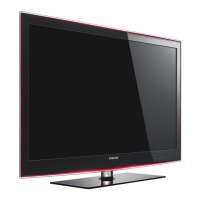
This document is a user manual for a Samsung Series 5 television. It provides essential information for setting up, operating, and maintaining the TV.
The manual begins with important safety instructions, emphasizing the risks of electric shock and the need for proper handling and installation. It advises against opening the TV, as there are no user-serviceable parts inside, and directs users to qualified personnel for servicing. The document explains various safety symbols, including those for Class II products, AC voltage, DC voltage, and cautions for consulting the user manual for safety-related information. It stresses the importance of proper ventilation, warning against placing the TV in confined spaces or near heat sources, and advises against exposing it to water or inserting metallic objects. Users are cautioned not to overload wall outlets, to place power cords carefully, and to unplug the TV during lightning storms or extended periods of disuse. The manual also provides guidance on battery disposal and replacement, recommending the use of the correct battery type to avoid explosion risks.
The "What's in the Box?" section details the items included with the TV, such as the remote control and batteries, user manual, warranty card (where available), wall mount adapter, component in/AV in adapter, and cable guide. It notes that colors and shapes may vary by model and that additional cables can be purchased separately. A warning highlights the fragility of the screen and advises lifting the TV by its edges to prevent damage.
The "About the Remote Control" section familiarizes users with the remote's buttons, including Power, Source, Volume, Channel, Sports, Extra, Info, Channel List, Return, and Exit. It mentions that the remote has Braille points on key buttons for visually impaired users. Each button's function is briefly described, from turning the TV on/off and adjusting volume to accessing the Smart Hub and electronic program guide. It also explains how to use specific buttons for settings, accessibility shortcuts, recording, and stopping content playback. The manual then guides users on installing batteries into the remote control, ensuring correct polarity, and using it within a 7-meter range, while also noting potential interference from bright lights. It also describes the TV Controller, located at the bottom of the TV, which allows basic functions like power on/off, volume adjustment, and channel changes when the remote is not available.
"Connecting to a Network" outlines how to connect the TV to the internet, either wirelessly or via a wired connection. For wireless connections, it describes connecting to a standard IP router or modem with a DHCP server. For wired connections, it specifies using a LAN cable (not supplied) and notes that the TV supports network speeds greater than 10 Mbps, recommending a CAT 7 (STP type) cable.
The "e-Manual" section explains how to access the embedded e-Manual on the TV for information on key features and how to download a printable version from the Samsung website. It describes the functions of the e-Manual's buttons, such as Search, Index, Recent pages, Try Now, and Link, which help users navigate and access relevant information or features directly.
"Initial Setup" explains that the initial setup dialogue box appears when the TV is first activated, guiding users through the process. It also mentions that the setup can be performed manually later through the TV's settings menu.
The "Troubleshooting and Maintenance" section offers solutions for common TV problems. For general issues, it advises consulting the e-Manual's troubleshooting section or contacting Samsung support. It addresses concerns about bright or dark pixels on the screen, noting they are normal for TFT LED panels. The manual recommends keeping the TV software updated for optimal performance. For issues like the TV not turning on, it suggests checking the power cord, wall outlet, and trying the TV's power button. If there's no picture, sound, or a "Weak or No Signal" message, it advises checking cable connections, input sources, and performing a self-diagnosis. It also provides steps for rebooting connected devices and running Auto Tuning for channels. If the remote control isn't working, users are advised to check the power indicator, replace batteries, and ensure correct polarity. It also offers advice for programming a cable or satellite box remote to control the TV. For intermittent Wi-Fi, the manual suggests checking network connection status, Wi-Fi password, distance from the modem/router, and reducing interference from other wireless devices. It also recommends contacting the ISP to reset the network circuit. For video app problems, it suggests changing the DNS settings and resetting Smart Hub.
The manual introduces "Remote Support," a service where a Samsung Technician can remotely diagnose, adjust settings, perform factory resets, and install firmware updates on the TV. It explains how to access this service by calling the Samsung Contact Centre and providing a PIN number from the TV's Remote Management section.
"Eco Sensor and screen brightness" describes how the Eco Sensor automatically adjusts TV brightness to optimize power consumption and how to disable it if the screen appears too dark. It also warns against blocking the sensor.
"Still image warning" cautions against displaying still images for extended periods to prevent image burn-in on the LED screen. It recommends avoiding static content, using full-screen display, reducing brightness and contrast, and utilizing TV features designed to reduce image retention.
"Caring for the TV" provides instructions for cleaning the TV, advising against spraying liquids directly onto the screen and recommending a soft, dry cloth for wiping smudges and fingerprints. It warns against using harsh chemicals or applying strong force during cleaning.
"TV Installation" provides guidelines for mounting the TV on a wall, emphasizing the importance of following manufacturer instructions to prevent injury or damage. It explains how to install wall mount adapters for compatible models and states that Samsung is not responsible for damage if users install the mount themselves. The manual also includes VESA wall mount kit notes and specifications, detailing screw hole patterns and recommended screw lengths for different TV sizes. It warns against using non-standard screws or fastening them too tightly. It also provides instructions for arranging cables with the cable guide and ensuring proper ventilation around the TV, recommending a minimum distance of 10 cm from other objects.
"Attaching the TV to the Stand" instructs users to ensure all accessories are present and to follow assembly instructions for the stand. "Safety Precaution: Securing the TV to the wall" warns against the TV falling due to pulling, pushing, or climbing, especially by children. It advises using manufacturer-recommended cabinets or stands, ensuring the TV is safely supported, and anchoring furniture to prevent tipping. It also provides steps for preventing the TV from falling by securing it to the wall with brackets and a durable string.
Finally, "Decreasing power consumption" explains that the TV enters Standby mode when turned off and continues to draw a small amount of power. To reduce power consumption, users are advised to unplug the power cord when the TV is not in use for extended periods. The "Licences" section lists various technologies used in the TV, such as Dolby Digital Plus, DTS Premium Sound, DivX HD, and HDMI. "For India only" provides information on RoHS compliance and proper disposal of electronic waste, along with helpline numbers for recycling information. A final warning advises keeping candles and open flames away from the product.
 General
| Resolution | 1920 x 1080 |
|---|---|
| Display Type | LED |
| Smart TV | Yes |
| Audio Output | 20W |
| Refresh Rate | 60 Hz |
| Dimensions (W x H x D) | 3.1 inches |




 To Next Page