EasyManua.ls Logo

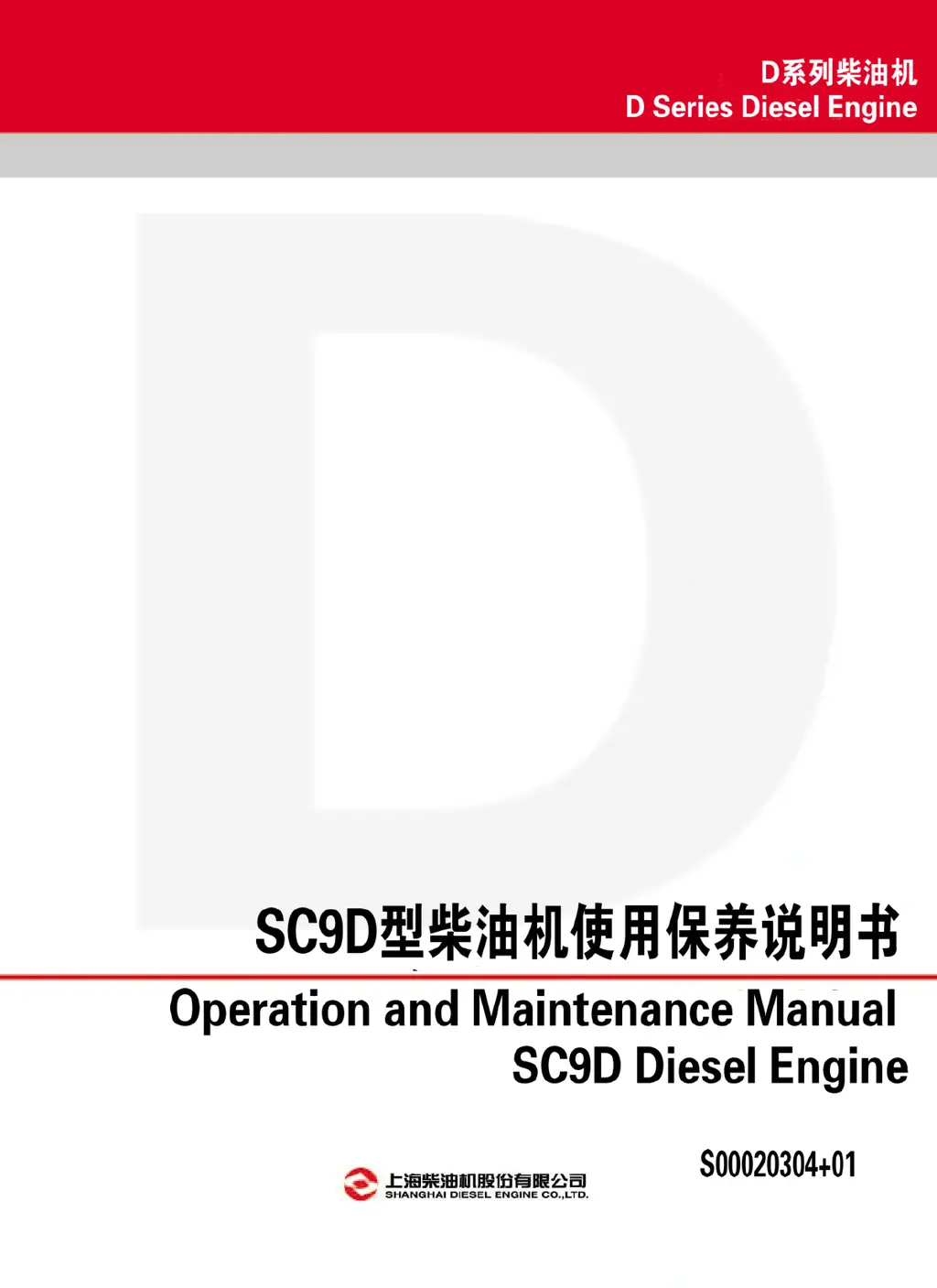
Shanghai Diesel Engine SC9D Series - User Manual

Shanghai Diesel Engine SC9D Series
73 pages
Print Icon
To Next Page IconTo Next Page
Loading...

Table of Contents

Questions and Answers

  • S
    Steve BrooksAug 5, 2025
    How to troubleshoot a Shanghai Diesel Engine that is difficult to start?
    • T
      Teresa DelacruzAug 5, 2025
      If your Shanghai Diesel Engine is difficult to start, several factors could be at play. First, ensure the starter motor is functioning correctly by cleaning and tightening the line connector. Check the battery charge level and charge or replace it if necessary. If the starter motor or electrical system has faults, consult an authorized service provider. Also, verify that you are following the correct starting procedure. Ensure the intake system isn't blocked and that there is sufficient fuel in the tank. Lastly, check for air in the fuel system and discharge it if present.
  • D
    Daniel HillAug 15, 2025
    What to do if my Shanghai Diesel Engine has a sudden misfire?
    • L
      Larry JohnsonAug 15, 2025
      If your Shanghai Diesel Engine has a sudden misfire, the following issues could be the cause. Contaminated fuel may be the culprit, so replace it with clean, qualified fuel. Air in the fuel system can also cause misfires, so prime the fuel system. Inspect the high-pressure fuel lines for leaks; tighten them and replace parts if needed. Check the low-pressure fuel pipe or fuel filter for blockages, cleaning the primary fuel filter and strainer, and replace the fuel filter if necessary. Also, a failing fuel transfer pump can cause misfires; repair or replace it.
  • J
    Jeremy OwensAug 19, 2025
    Why is my Shanghai Diesel Engine's fuel consumption too high?
    • D
      Danielle JacksonAug 19, 2025
      If your Shanghai Diesel Engine is consuming too much fuel, start by checking the fuel system lines for leaks and tighten them if necessary. Ensure you are using qualified fuel as specified in the manual. Check auxiliary devices for failures that could produce additional load. Also, inspect the air filter element for resistance and replace it if necessary.
  • J
    johnny52Aug 26, 2025
    What causes high oil consumption in a Shanghai Diesel Engine?
    • K
      Kelly CarrollAug 26, 2025
      If your Shanghai Diesel Engine is consuming too much oil, check for oil leaks on the engine surface, inspecting external pipelines, gaskets, and oil seals, and replace any damaged parts. Ensure that the oil level is not too high and adjust it if necessary. Verify that you are using the qualified oil specified for the engine. Check the oil cooler for leaks, looking for oil in the coolant. Also, inspect the turbocharger inlet and outlet for traces of oil, which could indicate leaks from the turbocharger into the intake and exhaust pipes.
  • M
    Melissa BallAug 29, 2025
    Why is the oil pressure too high in my Shanghai Diesel Engine?
    • R
      Ryan SantosAug 29, 2025
      If the oil pressure in your Shanghai Diesel Engine is too high, first check the pressure gauge for malfunctions. Verify that the engine's operating temperature is not too low. Ensure that the oil meets the correct specifications and its viscosity is not too high; replace it with qualified oil if needed. Finally, inspect the bypass valve to ensure it is not stuck in the closed position; replace it if necessary.
  • J
    Jason HenryNov 8, 2025
    Why is my Shanghai Diesel Engine losing power?
    • V
      Victoria BellNov 9, 2025
      If your Shanghai Diesel Engine experiences power loss, several factors could be responsible. Start by checking the fuel inlet for any obstructions and clean the primary fuel filter and strainer, replacing the fuel filter if needed. Ensure you're using high-quality fuel as specified in the manual. Inspect the high-pressure fuel pipes and joints for leaks, tightening or replacing them as necessary. Also, check for air in the fuel system, priming the system and inspecting the fuel inlet pipe for leaks. Examine the intake and exhaust systems for blockages, checking the air filter and replacing it if necessary. If the turbocharger is damaged, check its pressure and replace if too low. Finally, inspect and clean the injector, replacing it if necessary, to address poor atomization. Note that oper...
  • А
    АндрейJun 19, 2025
    Нет картинок распределительных шестерен системы зажигания под лобовиной!

    Summary

    Caution

    Product Repair, Technical Consultation, Complaint and Suggestion

    Introduction

    I. To User and Operator

    Welcomes user and outlines manual's purpose and engine overview.

    II. Notices for Engine Quality Feedback

    Instructions for reporting product quality issues for analysis and improvement.

    III. Product After-sales Service Commitment

    Details SDEC's 24-hour service, contact info, and reporting system for support.

    IV. Safety Instructions

    Crucial safety guidelines for operating the engine to prevent injury and property damage.

    V. Precautions for Diesel Engine Use

    Essential operating precautions for proper function, longevity, and avoiding damage.

    Chapter 1: General

    1.1 Engine Model Identification

    Explains the meaning of codes used in the engine model designation for clear identification.

    1.2 Engine Nameplate

    Details information on the engine nameplate, vital for identification, parts, and service.

    1.3 Engine Outlines

    Provides diagrams illustrating the external views and key components of the engine.

    Chapter 2: Main Engine Specifications and Parameters

    2.1 Main Specifications

    Lists the primary technical specifications of the SC9D diesel engine.

    2.2 Main Parameters

    Presents detailed technical parameters for lubrication, cooling, fuel, and electrical systems.

    2.3 Other Technical Requirements

    Covers specific requirements for fuel quality, lube oil grades, and coolant types.

    2.4 Main-Bolt and -Nut Tightening Torque and Methods

    Specifies torque values and tightening methods for critical engine fastening components.

    Chapter 3: Operation of Engine

    3.1 Starting

    Covers procedures for normal, low-temperature, and post-long-term storage engine starts.

    3.2 Operation

    Details new engine running-in procedures and normal operating guidelines for optimal performance.

    3.3 Stopping

    Explains the correct procedures for normal and emergency engine shutdown.

    3.4 Engine Working Range

    Defines the optimal operating speed and load conditions for engine longevity and efficiency.

    Chapter 4: Maintenance of Engine

    4.1 Maintenance Schedule

    Outlines recommended maintenance intervals and tasks based on hours or time.

    4.2 Daily Check and Maintenance Items

    Lists essential daily checks and maintenance procedures to be performed before engine start.

    4.3 Maintenance Every 250 hours or 3 Months

    Details specific maintenance tasks required at 250-hour or 3-month intervals.

    4.4 Maintenance Every 500 hours or 6 Months

    Details specific maintenance tasks required at 500-hour or 6-month intervals.

    4.5 Maintenance Every 1,000 hours or 1 Year

    Details specific maintenance tasks required at 1,000-hour or 1-year intervals.

    4.6 Maintenance Every 2,000 hours or 2 Years

    Details specific maintenance tasks required at 2,000-hour or 2-year intervals.

    Chapter 5: Troubleshooting Guidelines

    5.1 Engine is difficult to start or cannot start

    Identifies common causes and provides solutions for engine starting problems.

    5.2 Sudden misfire

    Addresses potential causes of engine misfires and offers corrective actions.

    5.3 Engine power loss

    Lists potential causes for reduced engine power and provides troubleshooting steps.

    5.4 Fuel Consumption is too high

    Explains reasons for excessive fuel consumption and outlines remedies.

    5.5 Oil consumption is too high

    Identifies causes of high oil consumption and suggests solutions.

    5.6 Engine is overheating

    Covers common causes of engine overheating and provides corrective actions.

    5.7 Oil pressure is too high

    Details potential causes of high oil pressure and how to resolve them.

    5.8 Oil pressure is too low

    Lists causes and solutions for low engine oil pressure issues.

    5.9 Black smoke

    Explains why the engine emits black smoke and outlines troubleshooting steps.

    5.10 Coolant temperature is too low

    Addresses causes of low coolant temperature and provides their solutions.

    5.11 Excessive noise

    Identifies sources of excessive engine noise and suggests their resolutions.

    5.12 Excessive vibration

    Covers causes of excessive engine vibration and provides troubleshooting steps.

    5.13 Alternator cannot be charged or fully charged

    Diagnoses issues with alternator charging and offers solutions.

    Chapter 6: Storage of Engine

    6.1 Short Time Storage

    Provides instructions for cleaning and preserving the engine for short-term storage.

    6.2 Long Time Storage

    Details procedures for cleaning and long-term preservation of the engine.

    Appendix Maintenance Record

    Shanghai Diesel Engine SC9D Series Specifications

    General IconGeneral
    Engine ModelSC9D Series
    Number of Cylinders6
    Compression Ratio17.5:1
    Cooling SystemWater-cooled
    TypeDiesel
    Cylinder ArrangementInline
    Displacement8.8 L
    Bore x Stroke114 mm x 144 mm
    AspirationTurbocharged
    Fuel Consumption210 g/kWh
    Applicationsconstruction machinery

    Related product manuals