
 Need help?
Do you have a question about the SIG SIGRC44 and is the answer not in the manual?
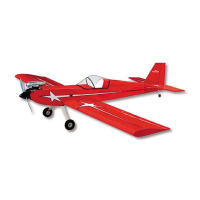
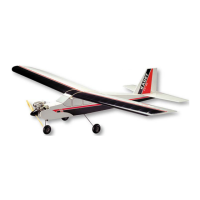
The Kadet LT-40 is a radio-controlled model airplane designed for beginners, offering a stable and forgiving flight experience. It is a low-wing aircraft, meaning the wings are attached to the lower part of the fuselage, which contributes to its stability. The model is constructed primarily from balsa wood and plywood, with a covering of iron-on plastic film.
The Kadet LT-40 serves as an introductory model for learning to fly radio-controlled aircraft. Its design prioritizes stability and ease of control, making it suitable for first-time pilots. The aircraft is powered by a .40-.46 cu. in. 2-stroke glow R/C engine or a .50 cu. in. 4-stroke glow R/C engine, which provides sufficient thrust for gentle flight maneuvers. It features a conventional three-channel control system (rudder, elevator, throttle) with optional ailerons for more advanced control. The model is designed to be built from a kit, allowing the user to assemble the aircraft and learn about its components.
The Kadet LT-40 has a wingspan of approximately 60 inches and a fuselage length of around 50 inches. The wing area is designed to provide a light wing loading, which contributes to its slow flight characteristics and gentle stalls. The recommended engine size is a .40-.46 cu. in. 2-stroke glow R/C engine or a .50 cu. in. 4-stroke glow R/C engine. The fuel tank capacity is typically around 10-12 ounces. The aircraft requires a minimum of a three-channel radio control system (rudder, elevator, throttle) and can be upgraded to a four-channel system with ailerons. The kit includes die-cut balsa and plywood parts, hardware, and covering material. The total weight of the finished model is approximately 5-6 pounds, depending on the engine and radio gear installed.
The Kadet LT-40 is known for its docile flight characteristics, making it easy to take off, fly, and land. Its inherent stability helps new pilots maintain control and recover from minor errors. The kit assembly process is designed to be straightforward, with detailed instructions and illustrations guiding the builder through each step. This hands-on approach helps new pilots understand the mechanics of their aircraft. The option to add ailerons allows pilots to progress their skills as they become more comfortable with basic controls. The model's robust construction from balsa and plywood makes it relatively durable and capable of withstanding minor crashes, which are common during the learning phase. The low-wing design, while often associated with more advanced aircraft, is implemented in the Kadet LT-40 to provide a stable platform for learning.
Maintenance of the Kadet LT-40 involves regular checks of the engine, control linkages, and structural integrity. The iron-on plastic film covering is relatively easy to repair if punctured or torn, often requiring only a heat gun or iron to re-adhere or patch. The balsa and plywood construction allows for easy repairs of damaged airframe components using balsa cement or epoxy. Engine maintenance includes cleaning, checking glow plug, and ensuring proper fuel mixture. The control surfaces and linkages should be checked for free movement and security before each flight. Regular cleaning of the aircraft, especially after flights, helps to prevent buildup of fuel residue and dirt. The modular design of the kit allows for individual components to be replaced if severely damaged, extending the lifespan of the model. The use of standard hardware components means that replacement parts are readily available.


 To Next Page
 General