Need help?
Do you have a question about the Singer 307 G and is the answer not in the manual?
Recommends specific Singer oil types for optimal machine performance and longevity.
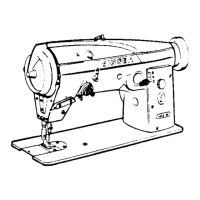
Identifies and lists numbered components of the sewing machine as shown in Figure 1.
Lists standard items like presser feet, guides, oil can, and tools included with the machine.
Details optional accessories and specialized attachments like the Air Tucking Attachment.
Covers pulley direction, needle setup, spool placement, and upper threading procedures.
Explains how to wind bobbins using both foot-operated and electric machines.
Details the process of correctly threading and inserting the bobbin case into the machine.
Identifies all oiling points and provides instructions for machine lubrication and cleaning.
Explains the operation and function of the knee lift device for raising the presser foot.
Explains how to adjust upper and bobbin thread tensions for perfect stitching and stitch length.
Describes the stitch lever for forward/reverse and how to adjust the bight control.
Details setting up for zig-zag stitching and adjusting needle position (central, left, right).
Explains how to adjust the pressure exerted by the presser foot on the fabric.
Instructions for using the hinged presser foot for plain seams and seam crossings.
Covers top stitching corners, flaps, collars, and hems using appropriate guides.
Techniques for flat felled seams, sewing piping, and piping trim on uniforms.
Specifics on top stitching pocket flaps, sport coat hems using guides.
Step-by-step guide for sewing zippers using the dedicated foot.
Using zig-zag stitch for temporary basting of seams for fitting purposes.
Techniques for joining edges, felling interfacing, and applique work using zig-zag stitch.
Specific zig-zag applications for trouser seams and collar attachment.
Instructions for zig-zag stitching plackets and interfacing for time-saving.
Guide for blind stitching inner sleeve lining to the sleeve cuff.
Instructions for performing bar tacks using the appropriate foot and settings.
Guide for securely sewing buttons onto garments using the button sew-on foot.
How to use the blind stitch foot for various hems and seams, including adjustments.
Techniques for blind stitching twill tape and attaching collars with blind stitching.
Instructions for using the buttonhole foot, setting length, needle position, and tensions.
Details accessories and twin needles required for air tucking, and threading.
Explains how to insert the air tucking covering plate with tongue for tuck formation.
Explains the use of the felling attachment and needle position for lapels and collars.
Details setting the felling attachment and using the automatic felling foot for smooth feeding.
Step-by-step procedure for blind felling coat lapels and adjusting tensions.
Provides a table of recommended needle sizes and thread types for various sewing operations.
 General
| Bobbin Type | Class 15 |
|---|---|
| Needle Type | 15x1 |
| Speed Control | Foot Pedal |
| Operation | Mechanical |
| Needle Positions | Left, Center |
| Presser Feet | Zipper |


 To Next Page