This document is an owner's manual for the Speeco 35 Ton Vertical/Horizontal Log Splitter, models 401635BB and 401635BBCA. It provides detailed assembly, operating, and maintenance instructions, along with important safety information.
Function Description:
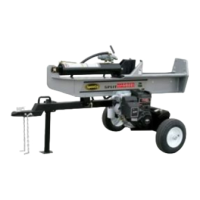
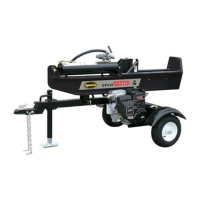
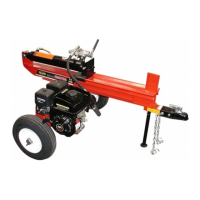
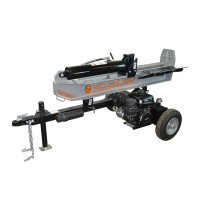
The Speeco 35 Ton Log Splitter is a power equipment designed exclusively for splitting wood. It operates in both vertical and horizontal positions, allowing for flexibility based on the log size and user preference. The splitter utilizes a hydraulic system to drive a wedge into logs, effectively splitting them. It is powered by an internal combustion engine, specifically a Briggs & Stratton 342cc 1450 Engine, which drives a two-stage, 16 GPM pump.
Important Technical Specifications:
- Splitting Force: 35 Tons
- Engine: Briggs & Stratton 342cc 1450 Engine
- Pump: Two-Stage, 16 GPM
- Cylinder: 5 inches Diameter x 24 inches Stroke
- Valve: Auto-Return
- Maximum Log Length: 26 inches
- Cycle Time: 14 Seconds (ideal case, actual time may vary)
- Wheels: 4.80 x 8 inches
- Wedge: 7 inches High with Spreader Wings
- Beam Size: 8 inches x 10 inches with Built-In Log Cradle
- Hydraulic Capacity: 6.5 Gallons Maximum
- Filter: Spin-On Replaceable Filter
- Height: 72 inches in Vertical Position, 42 inches in Horizontal Position
- Length: 78 inches
- Width: 49 inches
- Shipping Weight: 660 lbs.
- Engine Oil Recommendation: SAE 30W for temperatures above 40°F; SAE 10W-30 or SAE 5W-30 for temperatures below 40°F. Engine oil capacity is approximately 1.16 quart (1.1 liter).
- Hydraulic Oil Recommendation: AW46 hydraulic oil is recommended. Automatic transmission fluid can be substituted for temperatures below 32°F. Hydraulic tank capacity is approximately 3.5 to 4 gallons, with a total system capacity of 6.5 gallons.
Usage Features:
- Vertical/Horizontal Operation: The log splitter can be configured for both vertical and horizontal splitting. For vertical operation, the beam can be tilted up until the foot plate rests squarely on the ground.
- Operator Zone: The splitter is designed to be operated from a specific "operator zone" to ensure safe and efficient access to the control valve and beam.
- Log Preparation: Logs should be cut as square as possible on both ends and should not exceed 26 inches in length.
- Work Area Requirements: Operation should always be on level, dry, non-slippery ground, in daylight or under good artificial light, and in a clear, open area to avoid carbon monoxide exposure. Wheels must be blocked during operation.
- Towing Capability: The log splitter is equipped with pneumatic tires, a Class I coupler (requiring a 2-inch diameter ball), and safety chains for towing. Towing speed should not exceed 45 mph. The fuel shut-off valve must be turned to "OFF" before towing to prevent engine flooding.
- Safety Features: The manual emphasizes numerous safety precautions, including wearing personal protective equipment (goggles/safety glasses, steel-toed shoes, tight-fitting gloves, hearing protection), keeping hands and feet clear of moving parts, and never operating under the influence of alcohol or medication. It also highlights the importance of a spark arrester for operation in forest-covered or brush-covered areas.
- Hydraulic System: The hydraulic system is critical for operation. Users are warned against checking for leaks with bare hands due to high-pressure fluid risks and are instructed to relieve pressure before loosening any hydraulic fittings. The pressure relief valve is factory preset and should only be adjusted by a qualified service technician.
- Engine Operation: The engine should always be operated with the throttle lever in the "FAST" position to develop the required horsepower for the pump. The maximum governed speed is preset at 3600 RPM (no load).
Maintenance Features:
- Regular Checks: Periodically check all nuts, bolts, screws, hydraulic fittings, and hose clamps for tightness.
- Oil Levels: Always check hydraulic and engine oil levels before operation. Operating without adequate oil can cause severe damage.
- Oil Filter: Change the oil filter after the first 25 hours of operation, then every 100 hours or seasonally, whichever comes first.
- Hydraulic Oil Drainage: To drain hydraulic oil, loosen the clamp on the hose coming from the fitting at the bottom of the tank, near the oil filter.
- Wedge Sharpening: The wedge can be removed and sharpened if it becomes dull or nicked. This involves removing a 1/2-inch diameter bolt connecting the wedge to the cylinder.
- Breather Cap Cleaning: Clean the breather cap after 25 hours of operation, or more frequently in dusty conditions, by flushing with kerosene or liquid detergent.
- Part Replacement: All replacement parts must meet manufacturer's specifications.
- Engine Maintenance: Refer to the engine manufacturer's manual for specific engine care and maintenance instructions.
- Warranty: The manual advises against returning the product to the store for warranty issues or repair, directing users to call customer service for the nearest service center location.

 Need help?
 General

 To Next Page