The Spread-a-Bale is an agricultural machine designed for spreading bales, available in Mini, Midi, and Maxi models, with a specific model, the RB1.8, also mentioned. Its primary function is to efficiently spread both rectangular and round bales evenly, aiming for minimal dust and waste. The machine is designed to be used with a loader, and its operation involves a hydraulic system for control and power.
Function Description
The Spread-a-Bale unit is designed to spread bales in a uniform and controlled manner. It utilizes spreading rotors, a conveyor belt, and a hydraulic system to achieve this. The machine can handle various bale types and sizes, as indicated by the different models (Mini, Midi, Maxi). The spreading process involves the bale being loaded onto the machine, then moved by a conveyor belt towards the spreading rotors, which distribute the material. The unit is designed for a "welfare friendly" manner of spreading, implying a focus on animal welfare and efficient material distribution.
Important Technical Specifications
The manual provides detailed technical specifications for the Spread-a-Bale, including dimensions, weights, and hydraulic flow rates.
Dimensions (Approx.)
|
Standard |
1 x Sideframe |
| Overall Length (Mini) |
2700mm |
2700mm |
| Overall Length (Midi & Maxi) |
3700mm |
3700mm |
| Overall Width (All models) |
1600mm |
1800mm |
| Over Height Bale Guard |
1800mm |
1800mm |
| Height of Spreader Head (Mini & Midi) |
1250mm |
1250mm |
| Height of Spreader Head (Maxi) |
1450mm |
1450mm |
| Weight (Mini) |
878kg |
1132kg |
| Weight (Midi) |
972kg |
1235kg |
| Weight (Maxi) |
1049kg |
1312kg |
The weights of bales handled can be up to 700kg or more if wet.
Hydraulics
Maximum Hydraulic Flow Rates and Pressures for the unit are as follows:
- Main Manifold 4738:
- Main Rotors: 50 Litres per Minute
- Belt Motor: 10 Litres per Minute
- Pressure: 180 Bar
- Turbo Manifold:
- Main Rotors: 70 Litres per Minute
- Belt Motor: 10 Litres per Minute
- Pressure: 180 Bar
Rotor speed is factory set to a maximum of 640 RPM. The edge strip to the conveyors is in position with no damage. Blade bolt tightness to specific torque setting of 85Nm. Lifting devices securely attached to specific torque setting of 210Nm. Bearings are clear of debris and well-greased. Both sets of hydraulic connections to drive vehicle are clean and dirt free prior to connection.
Bale Sizes
Spread-a-Bale handles bales up to:
| Model |
MINI |
MIDI |
RB1.8 |
MAXI |
XL |
| Length |
1650mm |
2700mm |
1750mm |
2700mm |
3000mm |
| Width |
1200mm |
1200mm |
1800mm |
1200mm |
1200mm |
| Height |
1000mm |
1000mm |
1200mm |
1300mm |
1300mm |
| Square |
|
|
|
|
|
| Height Round |
1500mm |
1500mm |
1800mm |
1800mm |
1800mm |
Noise Level
At 1 metre from the head, the noise level for a new machine is 86 dB at maximum rotor speed.
Hydraulic Oil Specifications
- Viscosity @ 40°C: 59 cSt
- Viscosity @ 100°C: 9.4 cSt
- Viscosity Index: 140
- Density: 0.89 g/cm3
- Pour point: -40°C
- Flash point: 227°C
Grease Specification
A heavy-duty lithium type grease with a temperature range of at least -30 °C to 140 °C, having good water and dust resistance, suitable for both plain and rolling bearings.
Usage Features
The Spread-a-Bale requires careful operation and adherence to safety guidelines.
- Operational Safety: Operators must be trained and competent. The machine should only be operated when in a technically perfect condition.
- Pre-Operation Checks: Before starting, ensure the unit is isolated from any hydraulic power source, securely supported, and the rotor head is down.
- Working Safely: Never lift the unit unless it is securely fixed using lifting attachments. Always keep the unit as close as possible to the ground when transporting. Ensure there are no overhead obstructions. Never attempt to unplug hydraulic connections or adjust anything with the engine running.
- Installation: The unit is attached to the loader by the lifting eyes at the end nearest the hydraulic controller. The loader should be facing the rear of the Spread-a-Bale. Ensure the locking mechanism is correctly in place before moving off.
- First Operation: When using for the first time, check the action of the auxiliary hydraulic control to establish the direction for Load Mode and Spread Mode.
- Loading Bale: Prior provision should be made for the loader and Spread-a-Bale to approach the bales in the bale stack end on. Subsequent balewire removal is aided if the bales are stacked with the twine knotted on the top face of the bale. Load the bale with the strings top and bottom, never side to side. Load the bales into the unit from the top of the stack down, having due regard for the stability of the remaining bales in the stack.
- Spreading: The Spread-a-Bale spreads straw evenly up to an 8-metre arc from the unit. The loader boom can be elevated and/or extended to cover the area.
- Removing Twine or String: Ensure the loader is stopped, the head is down, and the key removed before reaching over, cutting, and removing the twine or string as the bale is spread.
Maintenance Features
Regular servicing and maintenance are crucial for optimal performance and longevity.
- General Maintenance: All maintenance activities should be performed with the unit disconnected from any loader and placed on the ground in a secure, stable manner. Access underneath the unit may require secure support.
- Cleaning: Regular cleaning is essential to maintain operating condition and performance. The housing, screwed connections, and ball bearings are not watertight.
- Preparing for Storage: Store the unit in a dry, sheltered position. Clean and grease all points, cover hydraulic connections, and regularly check for deterioration.
- Greasing Bearings: Grease the nine bearings on the belt rollers and one at the bottom of each spreading rotor using the provided grease nipples. Avoid over-greasing.
- Hydraulic Hose Inspection: Regularly check the outer hose cover for cracks, bubbles, deformation, wear, kinking, distress at intersections, and fluid weeping.
- Changing a Hydraulic Hose: Depressurize the system, carefully loosen connections, mop up oil, remove and fit the new hose, ensuring tight hydraulic connections. Check for leaks after changing.
- Changing a Control Unit: The process is similar to changing a hydraulic hose. Ensure all bolts are tightened to the correct torque and hydraulic connections are tight.
- Changing a Belt:
- Raise the Spread-a-Bale approximately 300mm from a level, clean surface and support with props.
- Slacken belt tension using the two adjusters at the rear.
- Cut and remove the old belt with a sharp knife.
- Thread the new belt from the top down around the front and drive roller.
- Position the joiner clip in the middle at the bottom of the machine.
- Changing a Belt Bearing: Undo grub screws and remove and refit the bearing, ensuring correct torque.
- Changing a Rotor Motor: This is a complex task. Depressurize the hydraulic system, disconnect hydraulic lines, slacken and unbolt the motor. Ensure the rubber cushioned drive on top of the rotor is checked.
- Lubricating the Machine: Lubricate the machine regularly. Recommended intervals are 50 hours for belt bearings and rotor bearings. Use a grease gun.
- Handling of Lubricants: Follow hygiene guidelines. Wear protective gloves and avoid skin contact. Dispose of waste oil and cleaning equipment safely.
- Faults and Remedies:
- Check Oil Level in Handler: Low oil can affect Spread-a-Bale performance.
- Check Quick Release Couplings: Ensure oil is getting back to the handler.
- Check Start Settings on SAB: Adjust valve 1.
- Belt Speed: If the belt is not running fast enough, adjust valve 2.
- Round Bales: If the belt needs to run faster, adjust valve 1 and 2.
- No Rev: Pressure relief valves are sensitive. If the machine usually results in pressure relief valve blowing, check for poor performance.
- Warm Oil: Ensure the handler is warm before using the Spread-a-Bale.

 Need help?
 General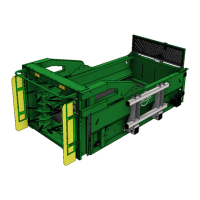

 To Next Page