EasyManua.ls Logo

Superior CPF-38 - User Manual

Superior CPF-38
8 pages
Print Icon
To Next Page IconTo Next Page
Loading...
1
NOTE: DIAGRAMS & ILLUSTRATIONS NOT TO SCALE
RETAIN THESE INSTRUCTIONS
FOR FUTURE REFERENCE
HOMEOWNER'S CARE AND
OPERATION INSTRUCTIONS
The information contained in this manual applies to all model fireplaces
identified on this page. This information will help you obtain safe and
dependable service from your fireplace system. Keep this document in a
safe place for future reference.
Before you start your first fire, read this Care and Operations Manual
carefully to be sure you understand your fireplace system completely.
Failure to follow these suggestions could result in hazardous operation or
fireplace malfunction, creating a serious potential for personal injury and/
or property damage.
If you have any questions regarding the safe use or operation of your
fireplace, contact your local distributor or your contractor/builder.
Most chimney systems will require onsite completion after placement of
the manufactured home.
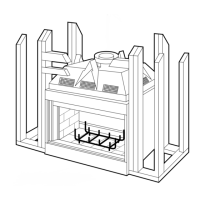
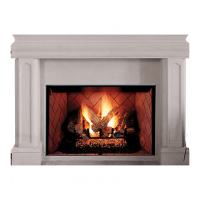
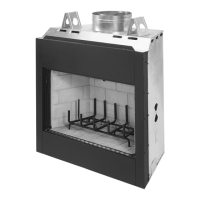
36" Multi-View Wood Burning Fireplaces
P/N 725,026M REV. B 06/2005
CST-38 CR-3835R
CPF-38 CR-3835L
MODELS
CUSTOM SERIES
OTL Report No. 116-F-20-4
Question and Answer IconNeed help?

Do you have a question about the Superior CPF-38 and is the answer not in the manual?

Summary

General Safety Precautions

General Information

Firebox and Insulation

The all-steel, multi-wall firebox is insulated for safe clearance to combustibles.

Hearth and Refractory Base

The hearth floor has a brick-pattern refractory base; some models include refractory sides and rear.

Chimney and Flue System

Metal chimney sections are two-walled and air-cooled, with an inner flue for smoke and gas exit.

Flue Damper Function

The flue damper controls smoke and gas exit. Keep open during fire, closed when fire is out.

Screen Purpose

Closed screens prevent sparks and embers from escaping the firebox. Pull back when adding wood.

Fuel Grate Benefits

The fuel grate positions the firebed, protects refractories, and ensures combustion air flow. It must be used.

Heating vs. Aesthetics

Fireplaces are for architectural and aesthetic purposes, not for heating an entire home.

Fuels

Coal Usage Warning

Never use coal or coal derivative products, as they deposit corrosive materials and cause product failure.

Gas Log Set Requirements

If installing a gas log set, ensure it has an auto shut-off and complies with local codes and standards.

Wood Fuel Pointers

Fuel Heat Output Factors

Heat output depends on wood type, dryness, quantity, and log size. Denser woods provide more BTU's.

Disposal of Ashes

Place ashes in a metal container with a tight lid, on a non-combustible floor, away from combustibles.

Softwood vs. Hardwood

Softwoods burn fast; hardwoods burn slower and steadier. Denser woods offer more heat per pound.

Wood Fuel Quality

Use dry, seasoned wood. Green wood burns poorly and sparks. Proper storage is essential.

Cord Size Explained

Understand standard cords vs. face cords and how wood density affects heating potential.

Starting a Fire

Check Flue Damper

Ensure the flue damper is operating correctly before starting a fire.

Prepare Firebox

Center the grate, place crumpled newspaper under it, and criss-cross dry kindling on top.

Build Fire Pyramid

Build a pyramid of three split logs, allowing ample air space between them.

Light the Fire

Light the newspaper at both sides of the firebox to ignite the kindling and logs.

Close Screens

Close the screens to prevent sparks and embers from escaping once the fire is lit.

Close Damper When Out

Close the damper only when the fire is completely out and ashes are cold to prevent air loss.

Glass Doors

Care and Cleaning

Clean glass doors when cool, using a damp towel or mild soap solution. Avoid ammonia-based cleaners.

Operating Safety Precautions

Keep fires within the grate, screens closed, handle doors carefully, avoid extreme temperature changes, and replace chipped glass.

Combustion Air

Importance of Air Supply

Fireplaces require adequate combustion air. Lack of air can cause smoke spillage into the room.

Combustion Air Control Operation

Describes how to operate the combustion air control lever for CR and Custom Series fireplaces.

Lintel Extension

Adjusting Lintel Extension

Instructions for adjusting the lintel extension on Model CST-38 and CPF-38 fireplaces.

Refractories

Refractory Care and Replacement

Proper care and 'burn-in' prolongs life. Replace if cracks exceed 1/4" or pitting is extensive.

Maintenance Guidelines

Before Each Use

Clean firebox, keep screens clear, and spot check refractory for small cracks.

Twice A Year Check-Up

Inspect chimney top and flue for obstructions or debris.

Trouble Shooting

No Smoking Allowed

Troubleshooting steps for fireplace smoking, including checking damper, air supply, and wood quality.

Chimney Height and Downdraft

Illustrates correct chimney height and discusses how installation or nearby structures can cause downdrafts.

Creosote Formation and Removal

Creosote Build-up

Creosote forms from wood vapors and moisture, creating a fire hazard. Inspect and clean chimney twice yearly.

Accessories and Components

Aluminum Doors

Details on available aluminum doors (Model ABF) for fireplace opening, with black or brass finish.

Cabinet Doors

Details on available cabinet doors (Model TBA) for fireplace opening, with bright brass finish.

Aluminum End Panel

Details on available aluminum end panels (Model AEP) for CPF-38 fireplace, with black or brass finish.

Summary

General Safety Precautions

General Information

Firebox and Insulation

The all-steel, multi-wall firebox is insulated for safe clearance to combustibles.

Hearth and Refractory Base

The hearth floor has a brick-pattern refractory base; some models include refractory sides and rear.

Chimney and Flue System

Metal chimney sections are two-walled and air-cooled, with an inner flue for smoke and gas exit.

Flue Damper Function

The flue damper controls smoke and gas exit. Keep open during fire, closed when fire is out.

Screen Purpose

Closed screens prevent sparks and embers from escaping the firebox. Pull back when adding wood.

Fuel Grate Benefits

The fuel grate positions the firebed, protects refractories, and ensures combustion air flow. It must be used.

Heating vs. Aesthetics

Fireplaces are for architectural and aesthetic purposes, not for heating an entire home.

Fuels

Coal Usage Warning

Never use coal or coal derivative products, as they deposit corrosive materials and cause product failure.

Gas Log Set Requirements

If installing a gas log set, ensure it has an auto shut-off and complies with local codes and standards.

Wood Fuel Pointers

Fuel Heat Output Factors

Heat output depends on wood type, dryness, quantity, and log size. Denser woods provide more BTU's.

Disposal of Ashes

Place ashes in a metal container with a tight lid, on a non-combustible floor, away from combustibles.

Softwood vs. Hardwood

Softwoods burn fast; hardwoods burn slower and steadier. Denser woods offer more heat per pound.

Wood Fuel Quality

Use dry, seasoned wood. Green wood burns poorly and sparks. Proper storage is essential.

Cord Size Explained

Understand standard cords vs. face cords and how wood density affects heating potential.

Starting a Fire

Check Flue Damper

Ensure the flue damper is operating correctly before starting a fire.

Prepare Firebox

Center the grate, place crumpled newspaper under it, and criss-cross dry kindling on top.

Build Fire Pyramid

Build a pyramid of three split logs, allowing ample air space between them.

Light the Fire

Light the newspaper at both sides of the firebox to ignite the kindling and logs.

Close Screens

Close the screens to prevent sparks and embers from escaping once the fire is lit.

Close Damper When Out

Close the damper only when the fire is completely out and ashes are cold to prevent air loss.

Glass Doors

Care and Cleaning

Clean glass doors when cool, using a damp towel or mild soap solution. Avoid ammonia-based cleaners.

Operating Safety Precautions

Keep fires within the grate, screens closed, handle doors carefully, avoid extreme temperature changes, and replace chipped glass.

Combustion Air

Importance of Air Supply

Fireplaces require adequate combustion air. Lack of air can cause smoke spillage into the room.

Combustion Air Control Operation

Describes how to operate the combustion air control lever for CR and Custom Series fireplaces.

Lintel Extension

Adjusting Lintel Extension

Instructions for adjusting the lintel extension on Model CST-38 and CPF-38 fireplaces.

Refractories

Refractory Care and Replacement

Proper care and 'burn-in' prolongs life. Replace if cracks exceed 1/4" or pitting is extensive.

Maintenance Guidelines

Before Each Use

Clean firebox, keep screens clear, and spot check refractory for small cracks.

Twice A Year Check-Up

Inspect chimney top and flue for obstructions or debris.

Trouble Shooting

No Smoking Allowed

Troubleshooting steps for fireplace smoking, including checking damper, air supply, and wood quality.

Chimney Height and Downdraft

Illustrates correct chimney height and discusses how installation or nearby structures can cause downdrafts.

Creosote Formation and Removal

Creosote Build-up

Creosote forms from wood vapors and moisture, creating a fire hazard. Inspect and clean chimney twice yearly.

Accessories and Components

Aluminum Doors

Details on available aluminum doors (Model ABF) for fireplace opening, with black or brass finish.

Cabinet Doors

Details on available cabinet doors (Model TBA) for fireplace opening, with bright brass finish.

Aluminum End Panel

Details on available aluminum end panels (Model AEP) for CPF-38 fireplace, with black or brass finish.

Superior CPF-38 Specifications

General IconGeneral
BrandSuperior
ModelCPF-38
CategoryIndoor Fireplace
LanguageEnglish

Related product manuals